Greetings,
This monthly newsletter (No. 73) includes: old-growth trees, migratory shorebirds, government matters, quiz, plants-fungi-wildlife.
1.0 Old-growth savanna forests
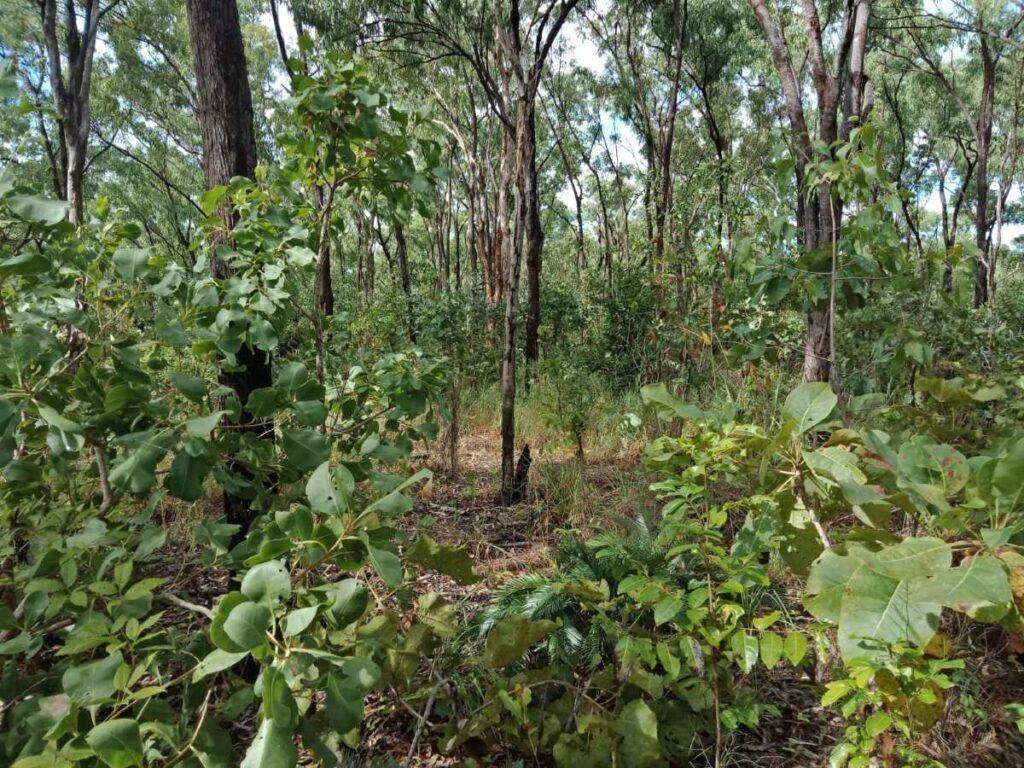
Fig 1. Old-growth forest at Lee Point – Nov 2024
Old-growth savanna forests in Darwin comprise; old eucalypt trees (mainly Stringybarks and Woollybutts) in a multi-layered canopy, shrubs and grasses plus coarse woody debris (which fungi recycle).
Deep loamy soils produce the highest density of large old-growth trees (with tree hollows) – eucalypts with a diameter at breast height (DBH) of 35 cm or greater. Stringybarks on poor shallow soils never reach a large size, regardless of their age, and do not develop the medium-large tree hollows that many mammals and birds rely on.
In 2020, Lee Point had ~670 large old-growth trees or about half what exists in the Darwin Wildlife Corridor. Lee Point used to have a lot more of these trees… read more.
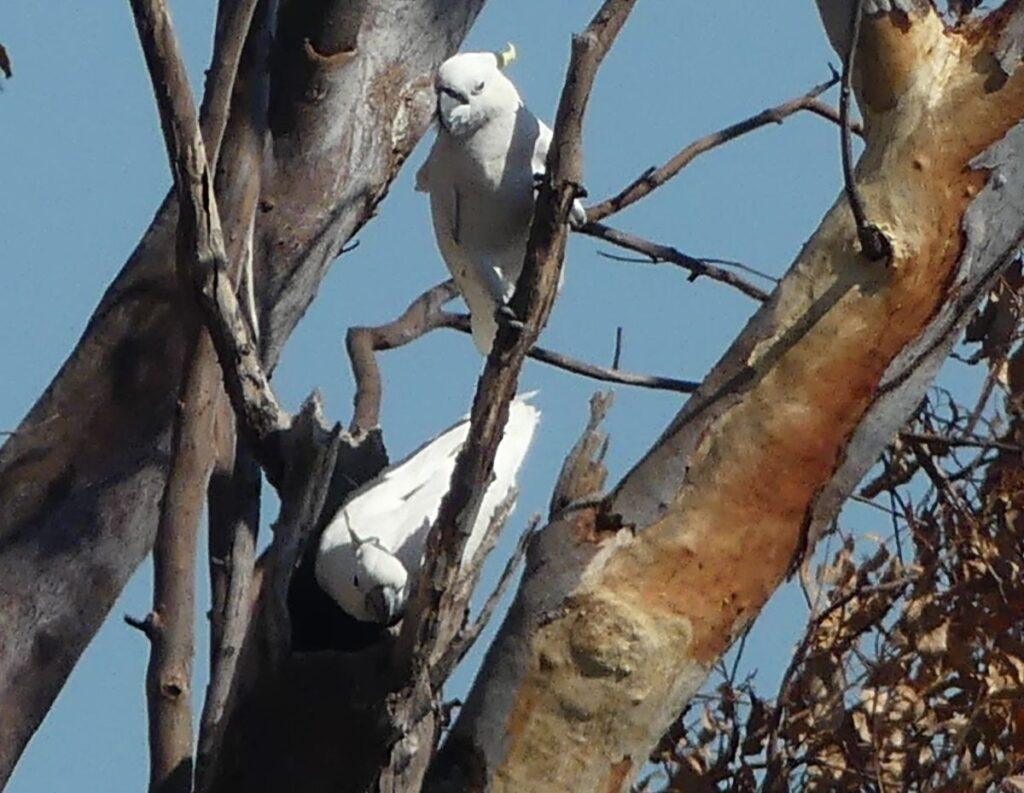
Fig 2. Sulphur-crested Cockatoos checking out a tree hollow at Lee Point – July 2026
Bird species are an effective indicator of biodiversity (variety of living things). Birds sit near the top of the food chain and are easily observed. Each week, a high number of bird species (typically 30-46) are recorded in the Wilderness Walk around Lee Point dam.
2.0 Migratory shorebirds
Migrating to the Northern Hemisphere ie. Siberia is a perilous journey requiring exceptional physical condition. Birds that are too young, lack sufficient fat reserves, or have underdeveloped flight feathers often remain in Australia.
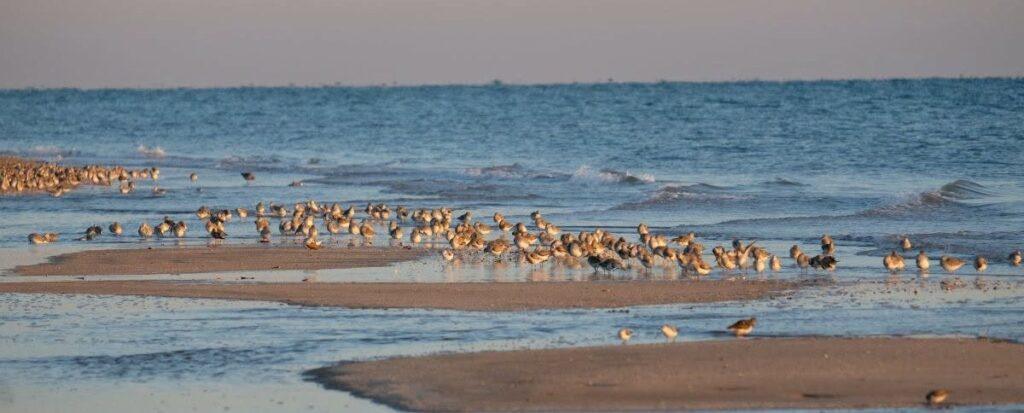
Fig 3. Shorebirds (mainly Knots) at Lee Point Beach – July 2026
Significant numbers of these migratory species—including the endangered Great Knot—stay at sites like Lee Point each year rather than departing. During their stay, these threatened visitors share coastal habitats with local resident shorebirds.
Migratory shorebirds that left Lee Point in Mar/Apr are expected to return to Lee Point in Aug/Sept.
3.0 Government matters
Build at Berrimah – ask your MLA whether they support shifting the defence housing project to Defence Establishment Berrimah (DEB).
The Lee Point housing project remains one of the most controversial and unpopular housing projects in Darwin’s history refer Build at Berrimah not Lee Point.
Proposed Offsets – DHA have proposed offsets to counter the loss of endangered species habitat (includes old-growth trees) at their Lee Point housing site. The end result is a significant reduction of old-growth trees in the Darwin Wildlife Corridor. The proposal needs to be rejected … read more.
Senate Inquiry – City of Darwin has sent a letter to Federal Ministers requesting a Senate inquiry into the Lee Point housing project …read more.
Sign the SENATE PETITION to help make this happen.
The time for Labor to act is now – Territory Labor recently supported a moratorium and a new Area Plan for Lee Point by the NT Planning Commission. Send a Letter to Ed Smelt MLA.
Gamba Grass – Apart from bulldozers, Gamba Grass is one of the worst threats facing old-growth savanna forests/woodlands in the Top End. It outcompetes native vegetation and Gamba Grass fires kill native trees and wildlife.
Darwin properties larger than 3ha only have to remove Gamba Grass within 15m of their boundary…read more
The defunding of the effective Gamba Army in 2025 by the NT Government has many people worried.
4.0 Quiz
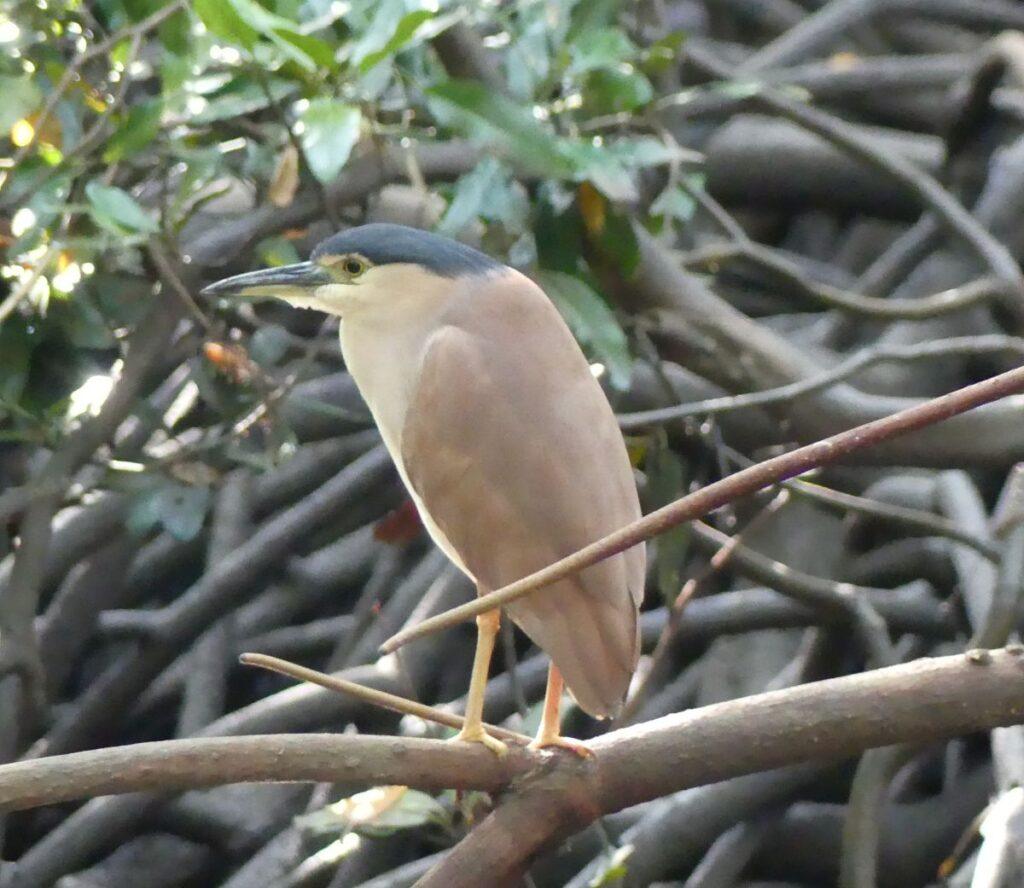
Fig 4. Nankeen Night Heron hunting in mangroves – Aug 2025
What does the word “Nankeen” refer to in Nankeen Night Heron (a waterbird) and Nankeen Kestral (a raptor)? Answer at the end.
5.0 Plants-fungi-wildlife
Images from Lee Point July 2026.
The plants are still recovering from the fires that tore through the Lee Point Biodiversity Corridor in late June-early July.
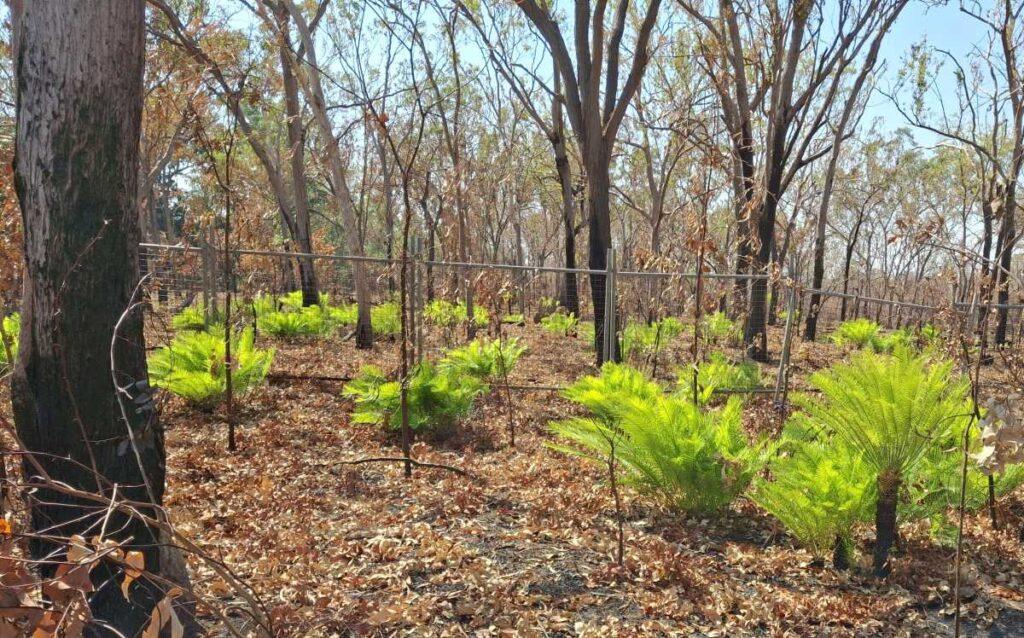
Fig 5. Cycads in Big Tree Block – 27 July 2026
Cycads are among the first plants to recover from fire.
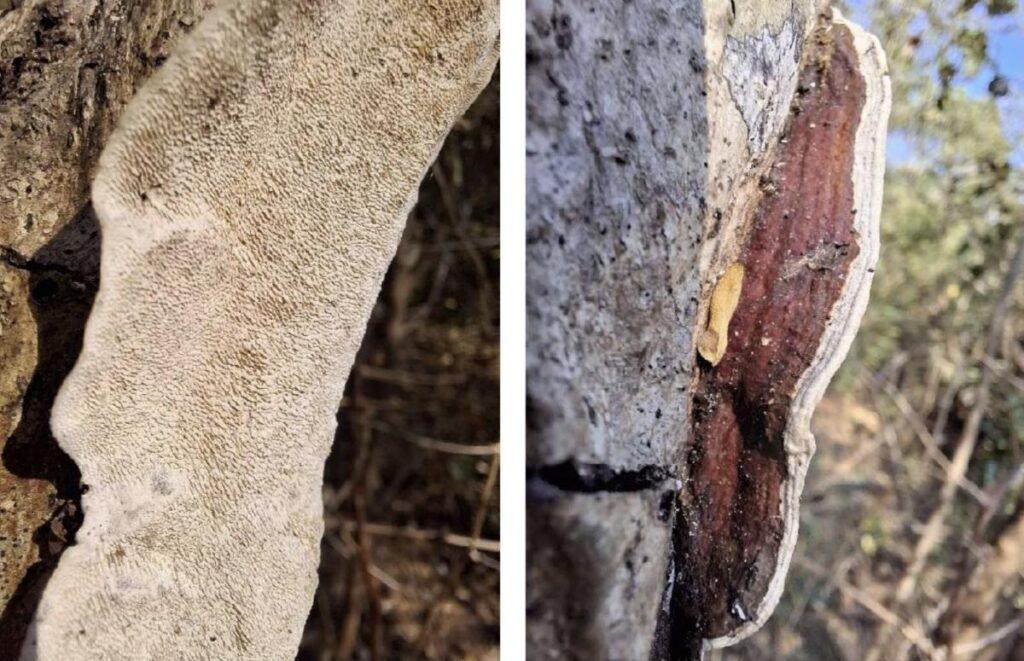
Fig 6. Fruit from fungi
Favourite food: dead organic matter
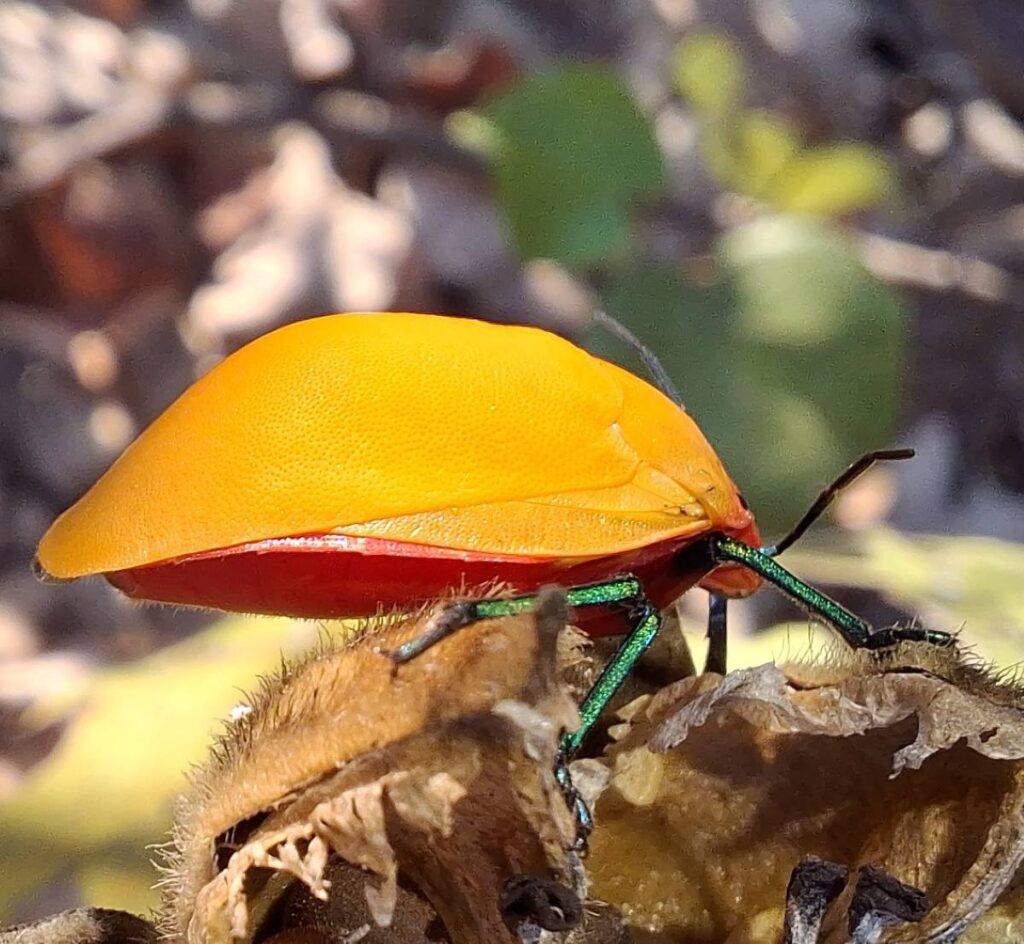
Fig 7. Cotton Harlequin Bug on a beach hibiscus plant
Favourite food: hibiscus and cotton plants
The Cotton Harlequin Bug feeds mostly on young shoots, piercing the stems and sucking the sugar-rich juices intended for shoot growth.
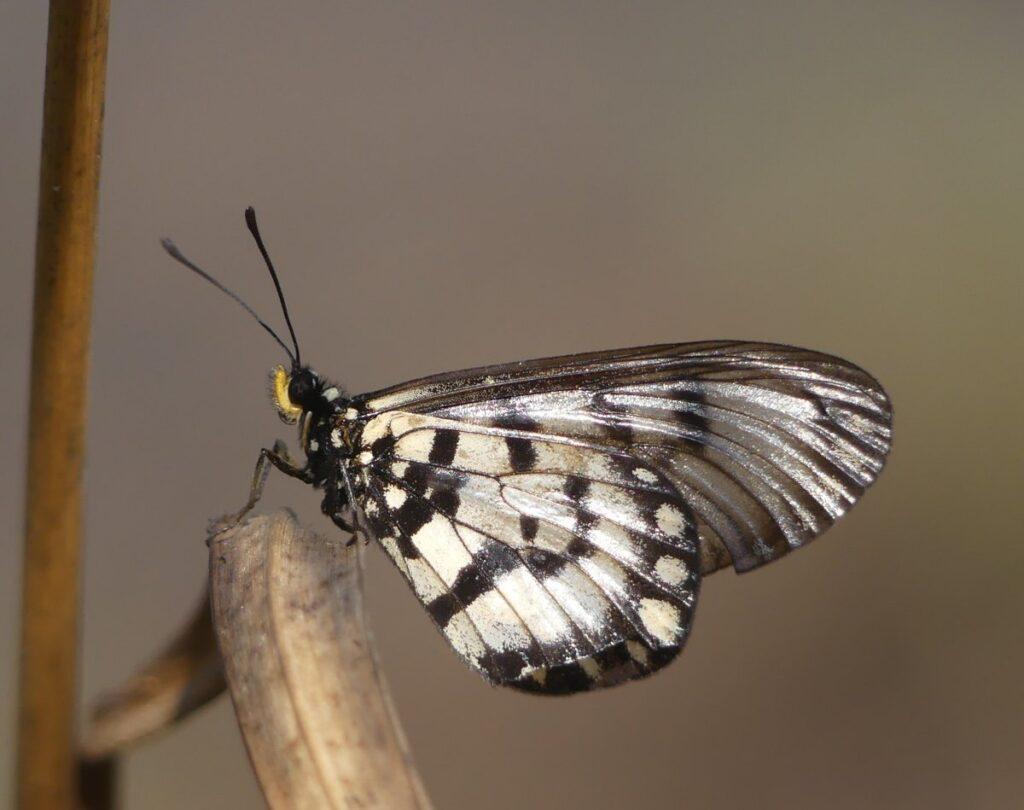
Fig 8. Glasswing Butterfly
Favourite food: Nectar
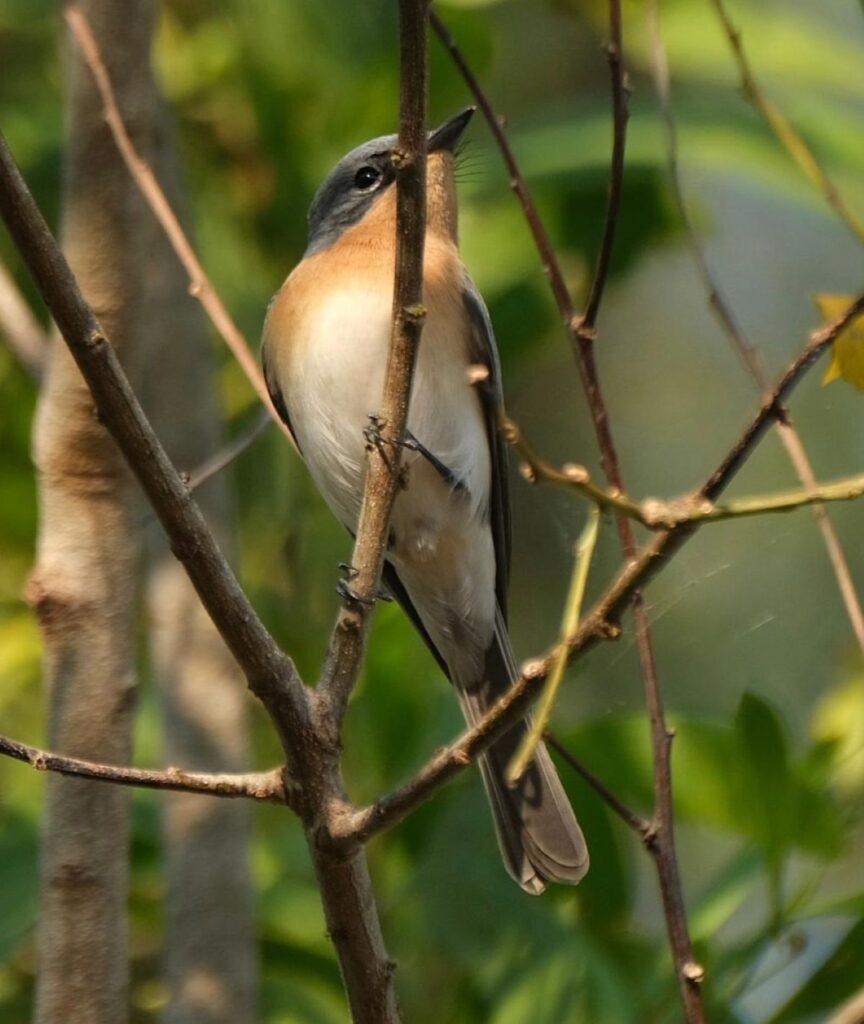
Fig 9. Leaden Flycatcher female – by Simone July 2026 on a morning Wilderness Walk.
Favourite food: Insects
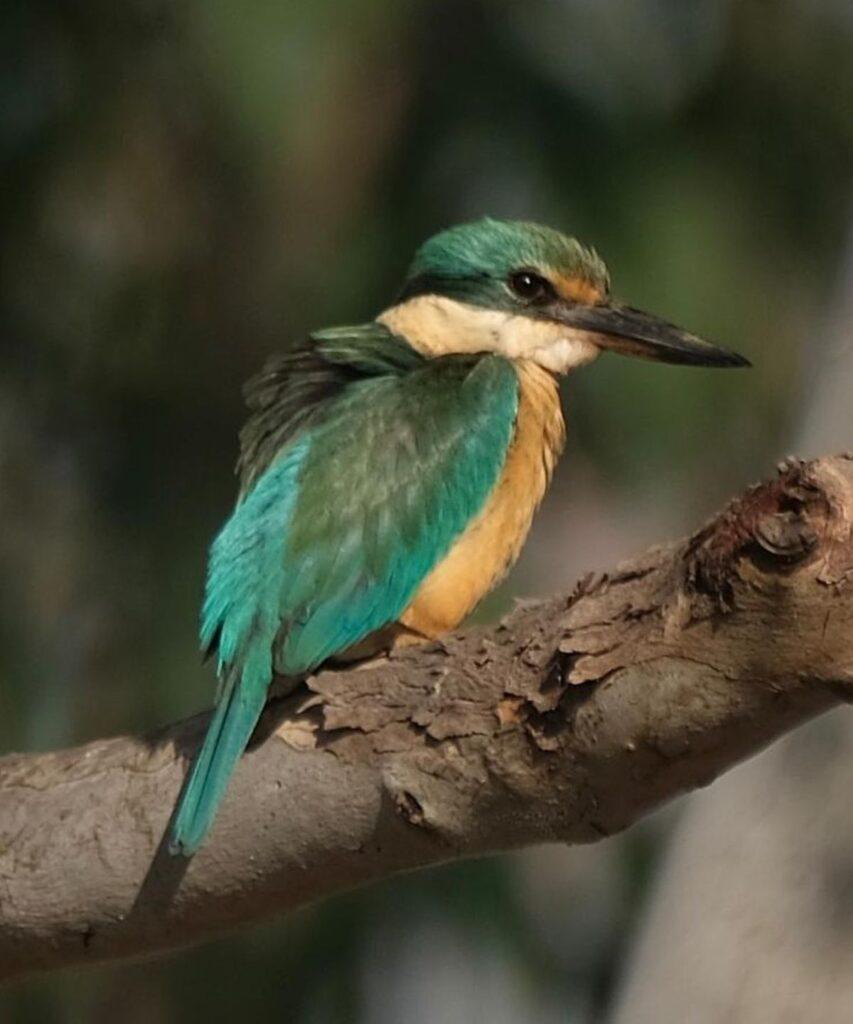
Fig 10. Sacred Kingfisher at Lee Point dam – by Simone July 2026 on a morning Wilderness Walk.
Favourite food: Invertebrates, lizards, occasionally fish
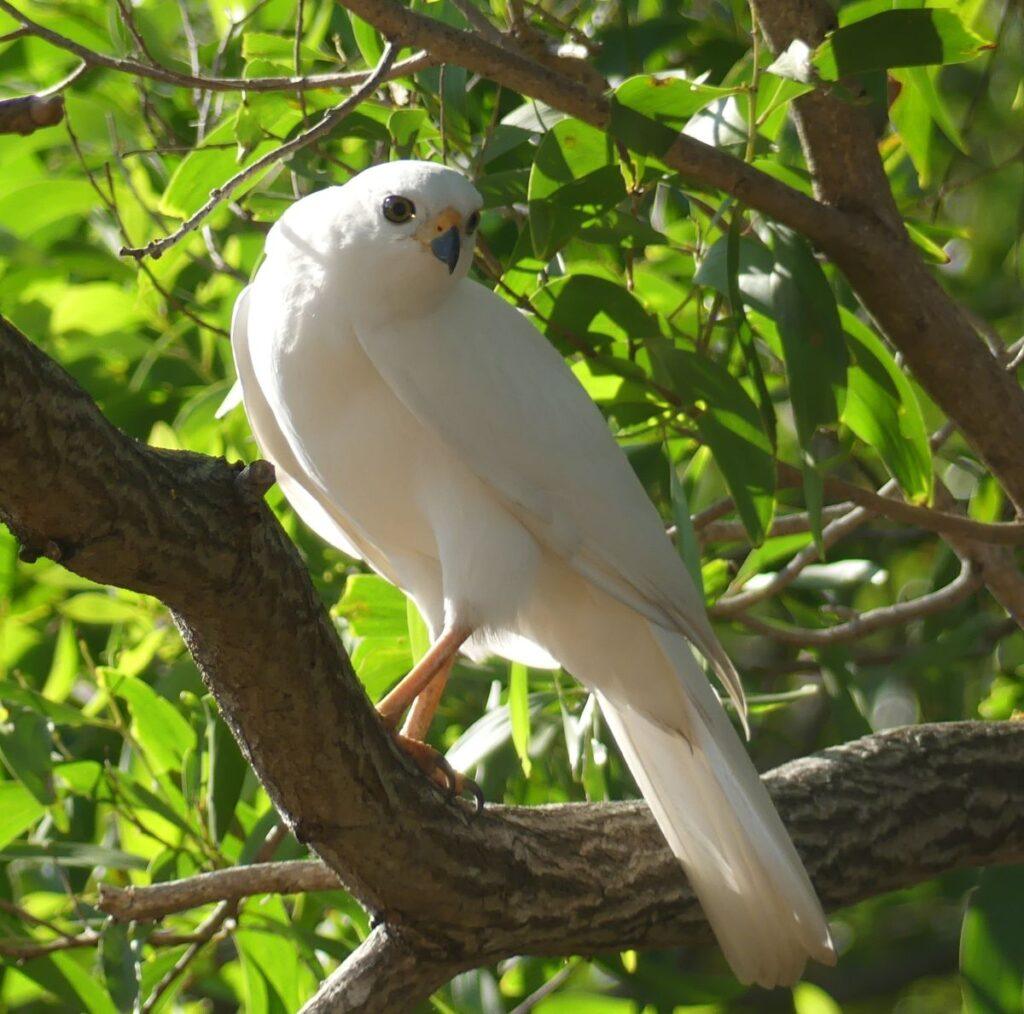
Fig 11. Grey Goshawk – white morph.
Favourite food: birds – however, possums, bats and even herons are on the menu.
Goshawks typically pair for life. The female Grey Goshawk is twice the weight of the male.
Wilderness Walks
Despite the recent fires, Wilderness Walks have been recording 30-46 bird species – 46 bird species were recorded on the 26 July morning walk, refer ebird for latest sightings. Please check Friends of Lee Point Facebook for walk times.
Enjoy the dry season
Answer to Quiz