Greetings,
This monthly newsletter (No. 78) includes: Seditious Intent, native plants, Gamba Grass, 2CRU offset failure, quiz, plants-fungi-wildlife.
1.0 Seditious Intent and Save Lee Point
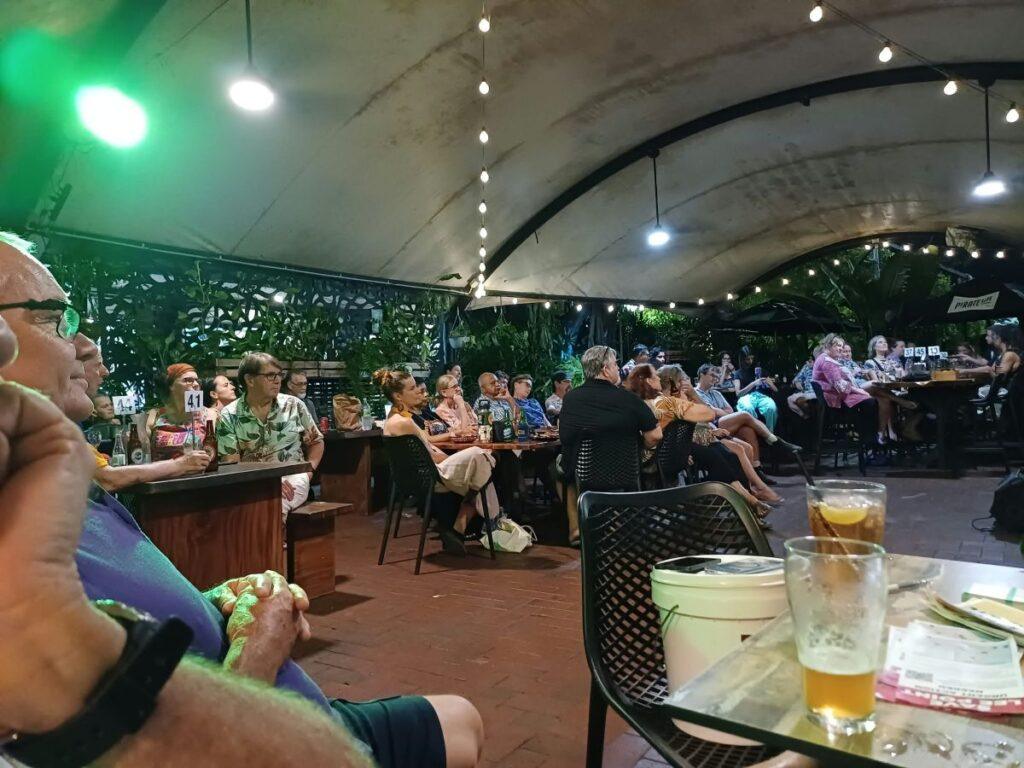
Fig 1. Seditious Intent – held 6.30pm Friday 9 Oct at Greenhouse Café, Nightcliff
A fun night was had listening to live music, poetry and entertaining stories. Proceeds went to Friends of Lee Point.
2.0 Native plants and Gamba Grass
2CRU walk with John Brock
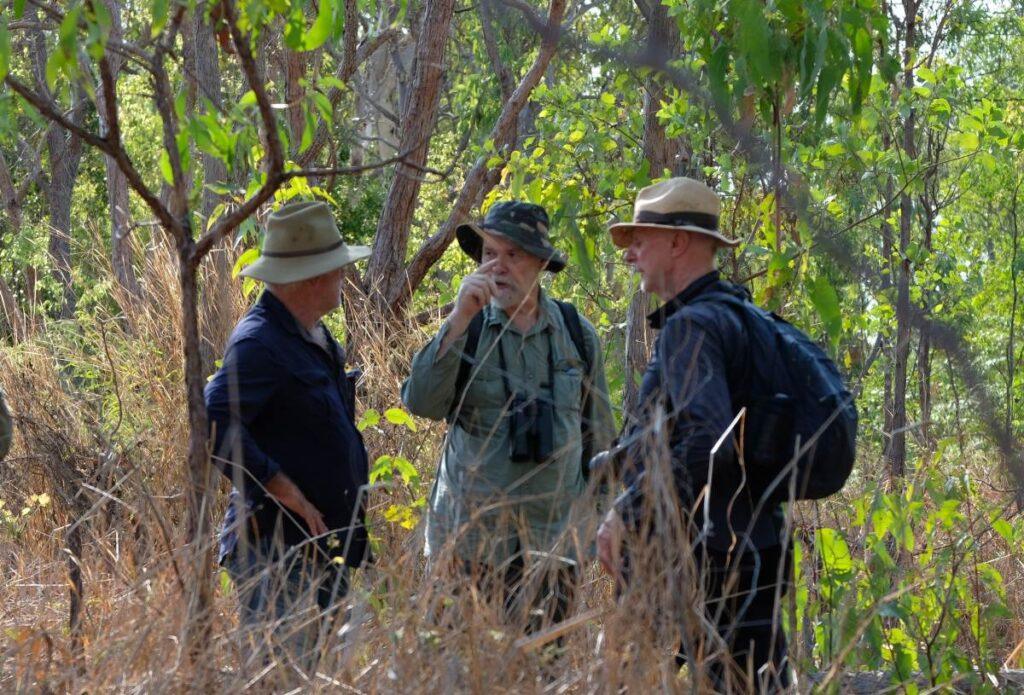
Fig 2. At 2CRU (from left): Graeme Sawyer, David Percival and John Brock.
John Brock, a well-known Darwin-based author/botanist, has been helping FLP identify understorey plants in the 2CRU offset and development area … read more.
Gamba Grass
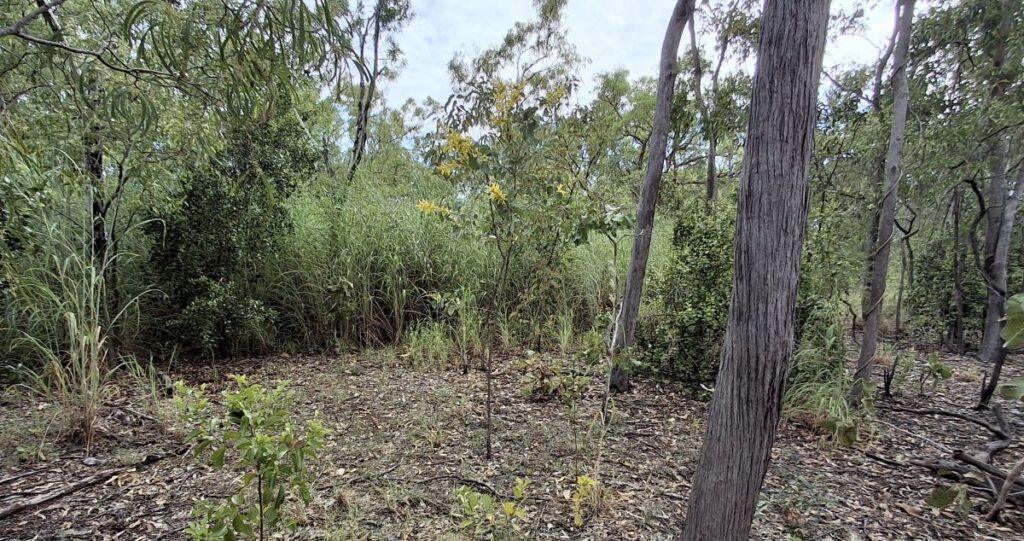
Fig 3. Gamba Grass encroaching on woodland in 2CRU – May 2026.
Gamba Grass is a major threat to Lee Point’s biodiversity. Habitat quality has been steadily declining on Defence Housing Australia (DHA) land and other areas of Lee Point not being managed for Gamba Grass.
Gamba Grass is sometimes compared to cancer because: it aggressively multiplies, hijacks local resources, and systematically destroys the surrounding ecosystem—a destructive cycle greatly accelerated by poor fire regimes. The loss of native understorey (food) and eventually large eucalypts (tree hollows) means wildlife is severely impacted.
Conserving Lee Point’s biodiversity involves eradicating Gamba Grass and actively managing the fire regime.
2.0 Lee Point housing project
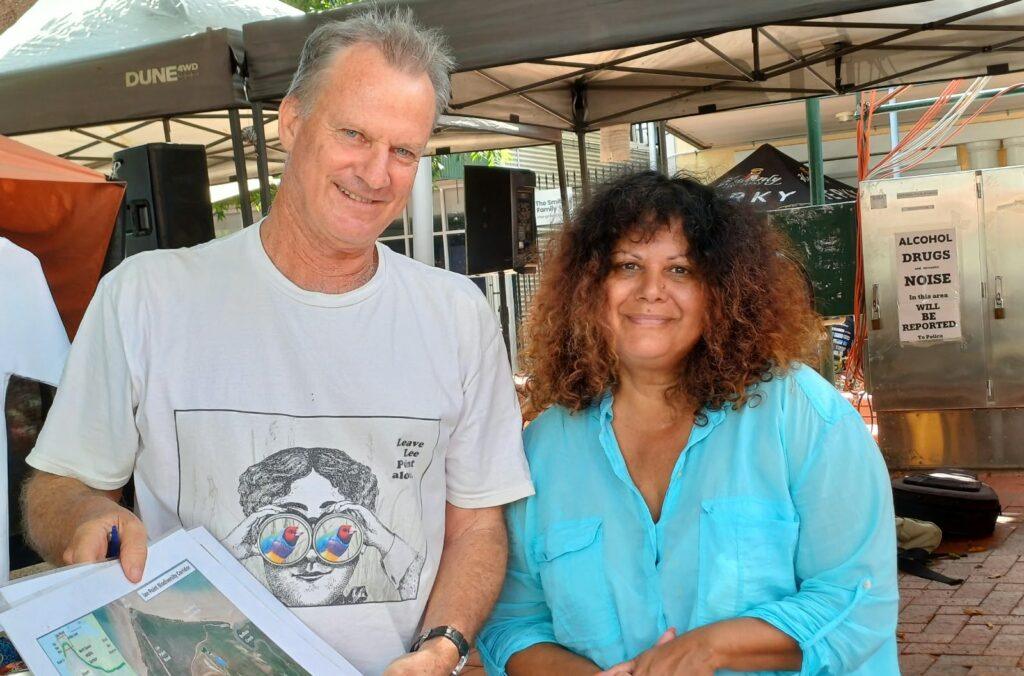
Fig 4. Senator Malarndirri McCarthy with FLP Ian Redmond – 11 Oct 2026.
Senator Malarndirri McCarthy visited the FLP stall at Nightcliff Markets to catch up on the latest news with Save Lee Point campaign.
2CRU offset project fails Black-footed Tree-rat
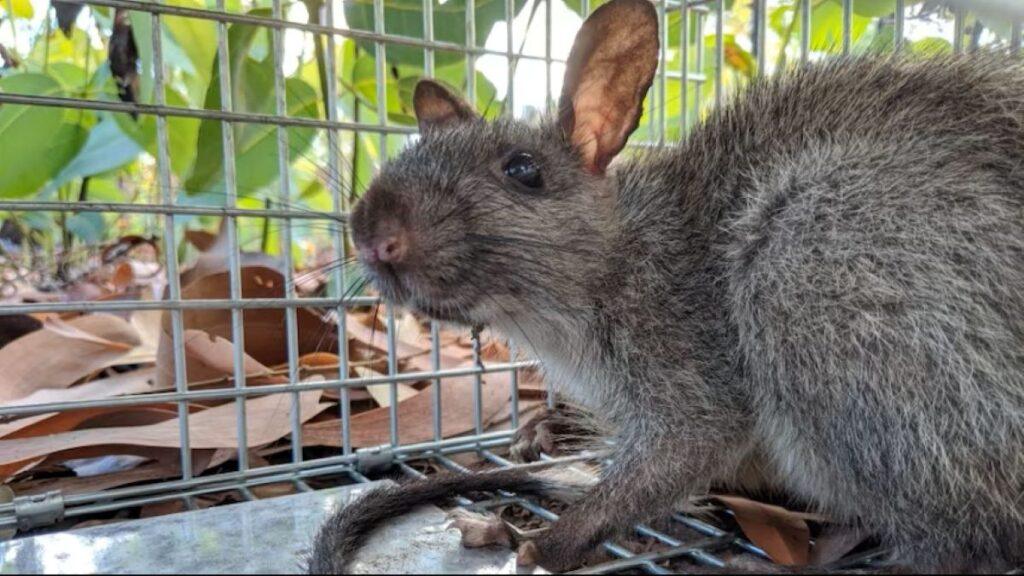
Fig 5. Endangered Black-footed Tree-rats are found at Lee Point. (Photo supplied: Sam Banks)
Black-footed Tree-rats (BFTR) depend mainly on woodland food sources and large tree hollows for daytime shelter.
DHA (a government agency) was supposed to compensate the endangered BFTR for clearing its habitat from 2CRU by providing additional BFTR habitat (an offset). The 2CRU offset project has failed: more large eucalypts (tree hollows) and woodland have now been cleared from 2CRU than exist in the entire 2CRU offset area.
Friends of Lee Point (FLP) found no record of a government BFTR habitat quality assessment for the 2CRU offset site and is questioning the accuracy of the 2CRU understorey assessment. The matter has been brought to the attention of the National EPA.
ABC News ran a story on the Lee Point housing project involving Larrakia cultural matters and the environment.
Housing affordability
Building high-cost lots ($300k plus) at Lee Point or in other areas isn’t going to help Darwin’s housing affordability crisis. Most people understand this – its time the federal government acted. Build at Berrimah not Lee Point.
Senate Inquiry
City of Darwin has sent a letter to Federal Ministers requesting a Senate inquiry into the Lee Point housing project …read more.
Sign the SENATE PETITION to help make this happen.
4.0 Quiz
What makes the Cocky Apple (a small tree) different from most other native Northern Australian flowering plants? Answer at the end.
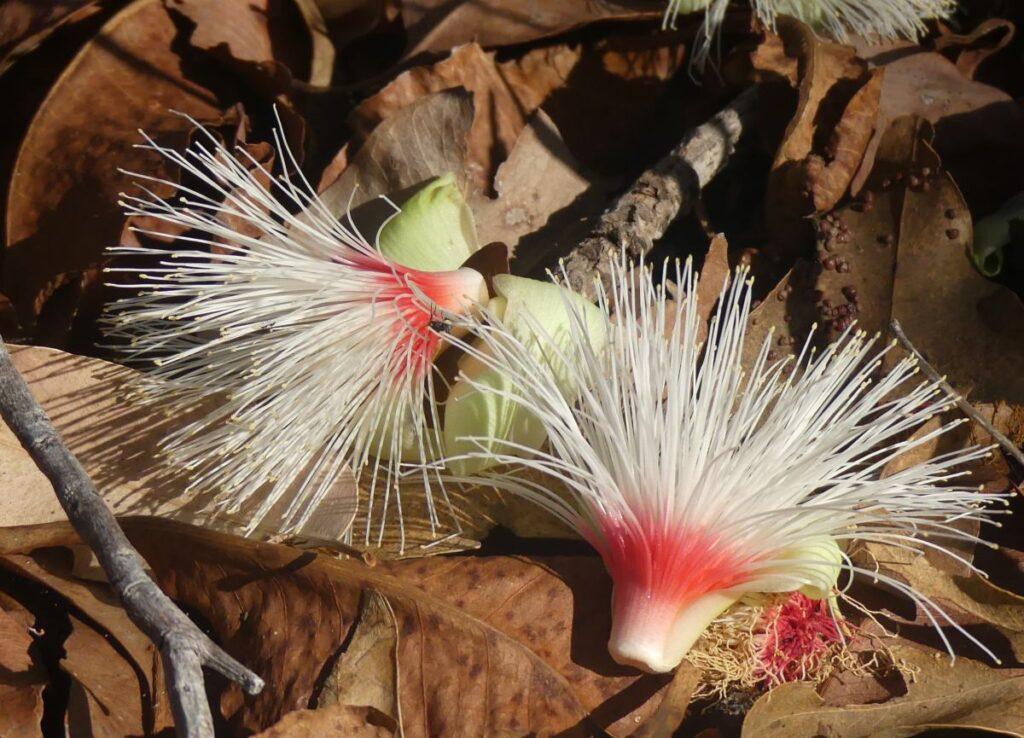
Fig 6. Cocky Apple flowers (Planchonia careya)
5.0 Plants-fungi-wildlife
Images from Lee Point Oct 2026.
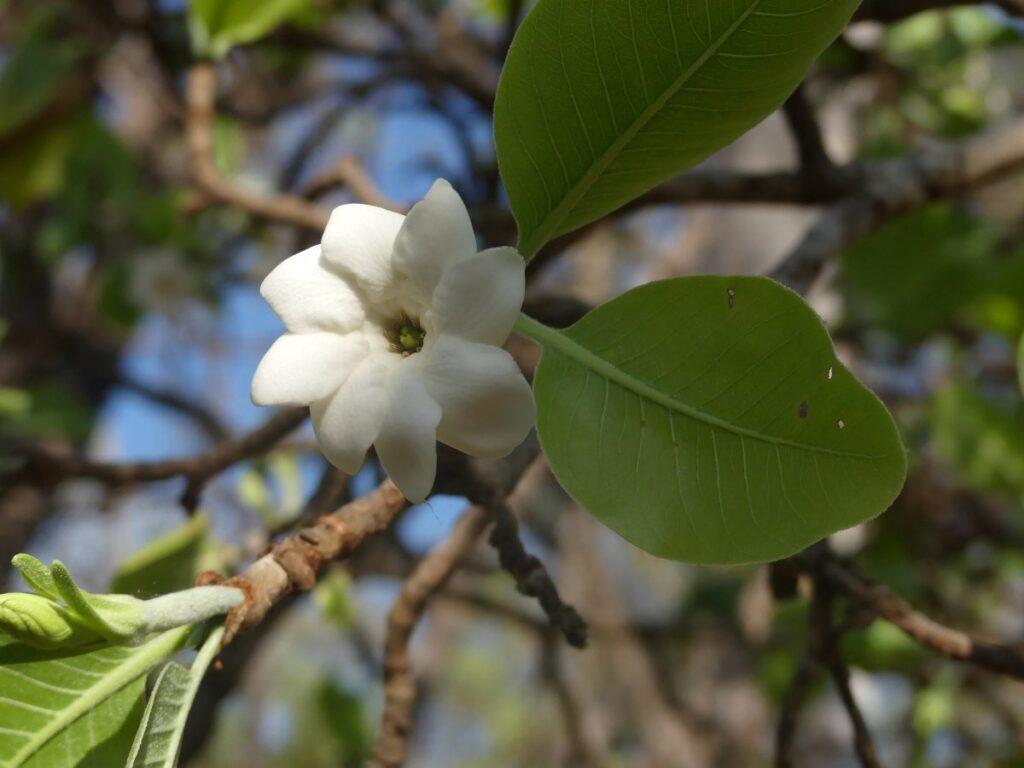
Fig 7. Wild Gardenia (Gardenia megasperma)
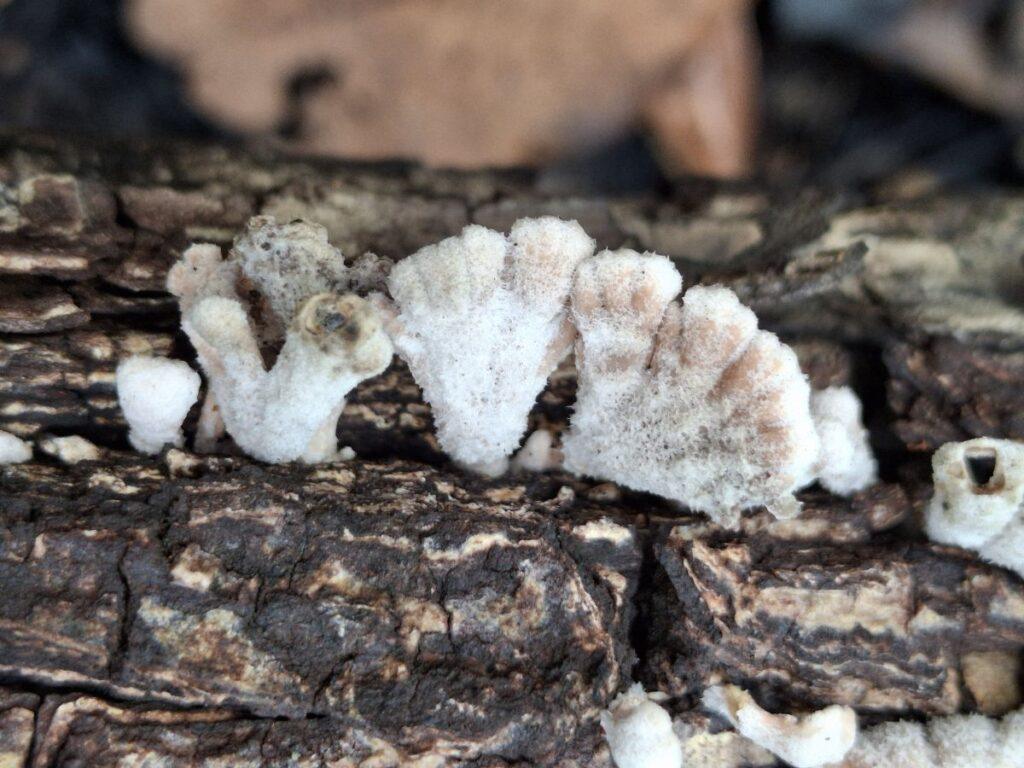
Fig 8. Fruit from fungi
Favourite food: dead organic matter
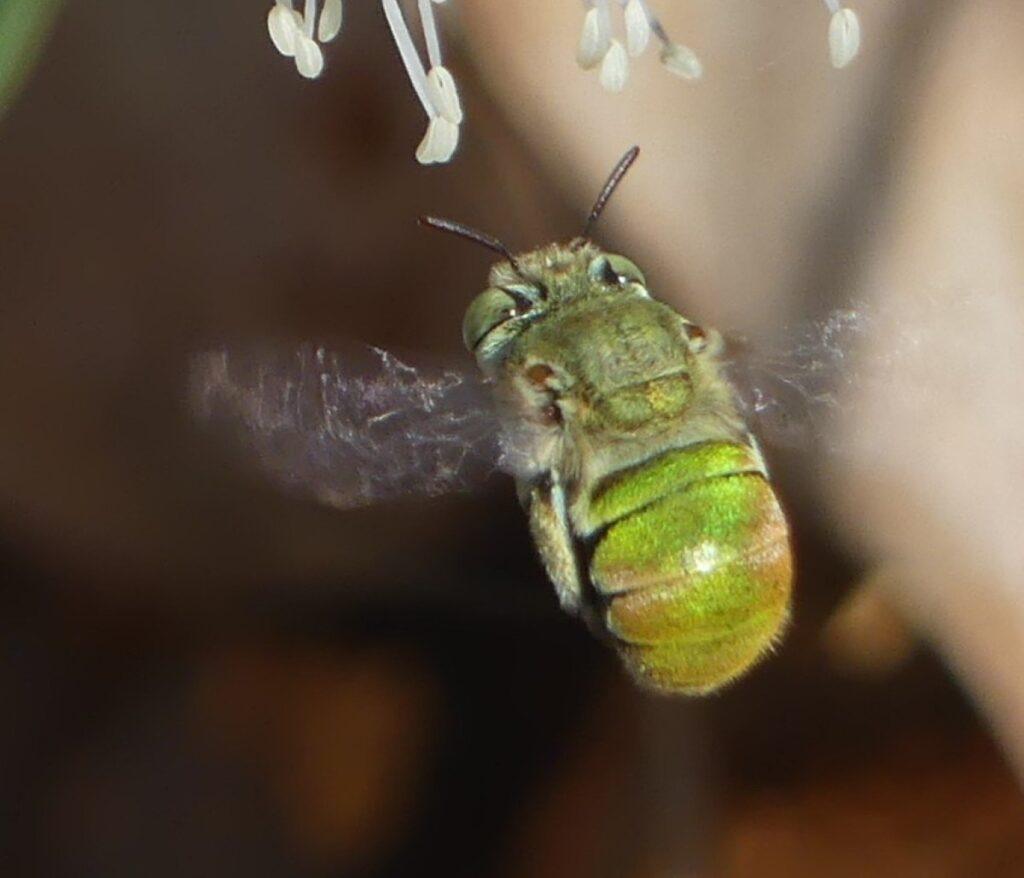
Fig 9. Green and Golden Native Bee visiting a Syzygium spp flower Favourite food: nectar
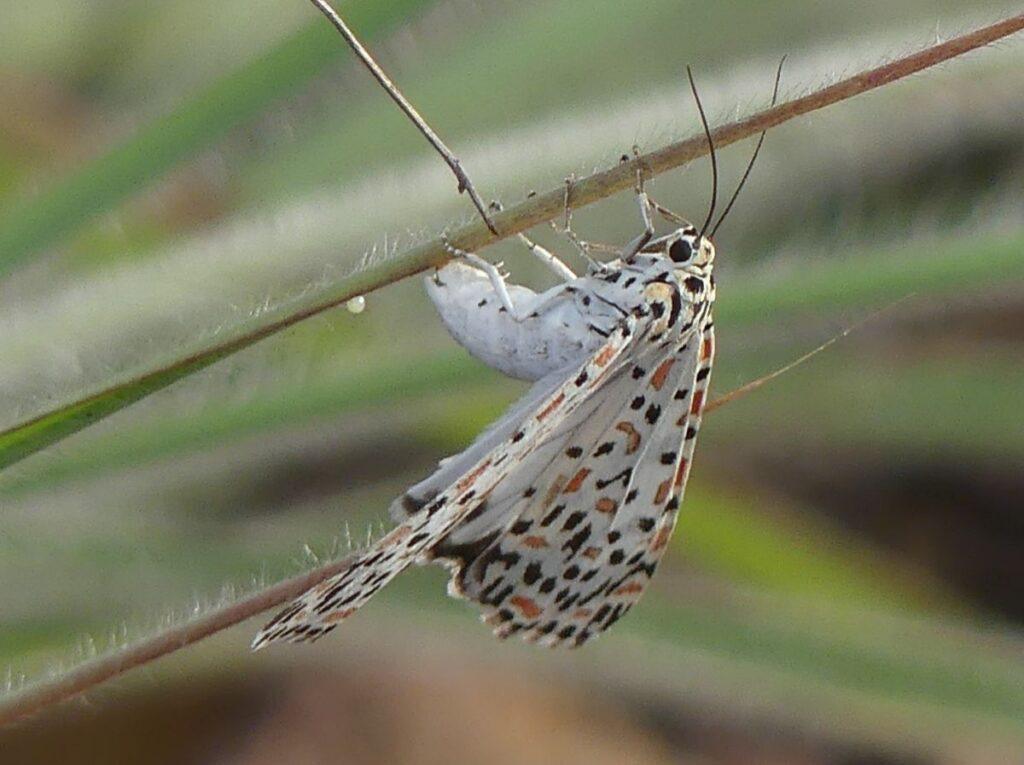
Fig 10. Crotalaria Moth
Favourite food: nectar (adult)
Young caterpillars eat Crotalaria plants; older caterpillars bore into Crotalaria seed pods to eat seeds – these seeds contain toxins which make the caterpillar and later the adult moth unpalatable to predators.
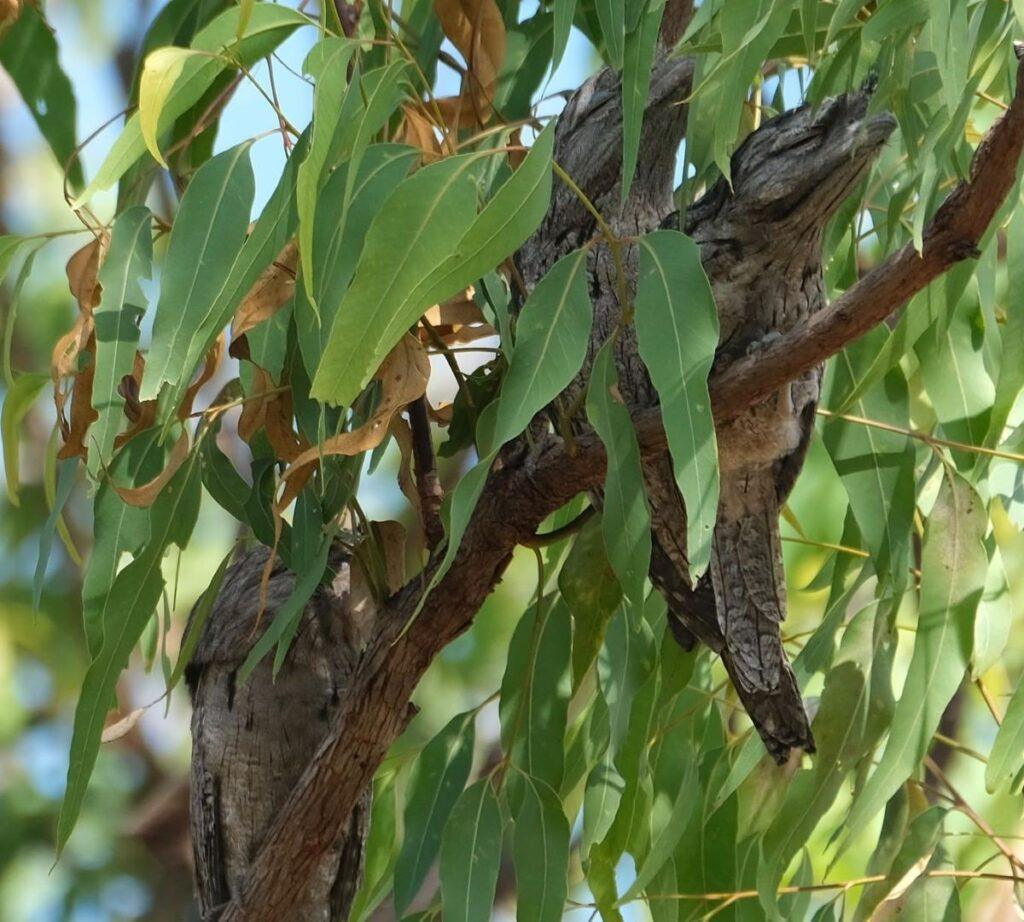
Fig 11. Frogmouths on a wilderness walk – photo Simone 4 Oct
Favourite food: insects
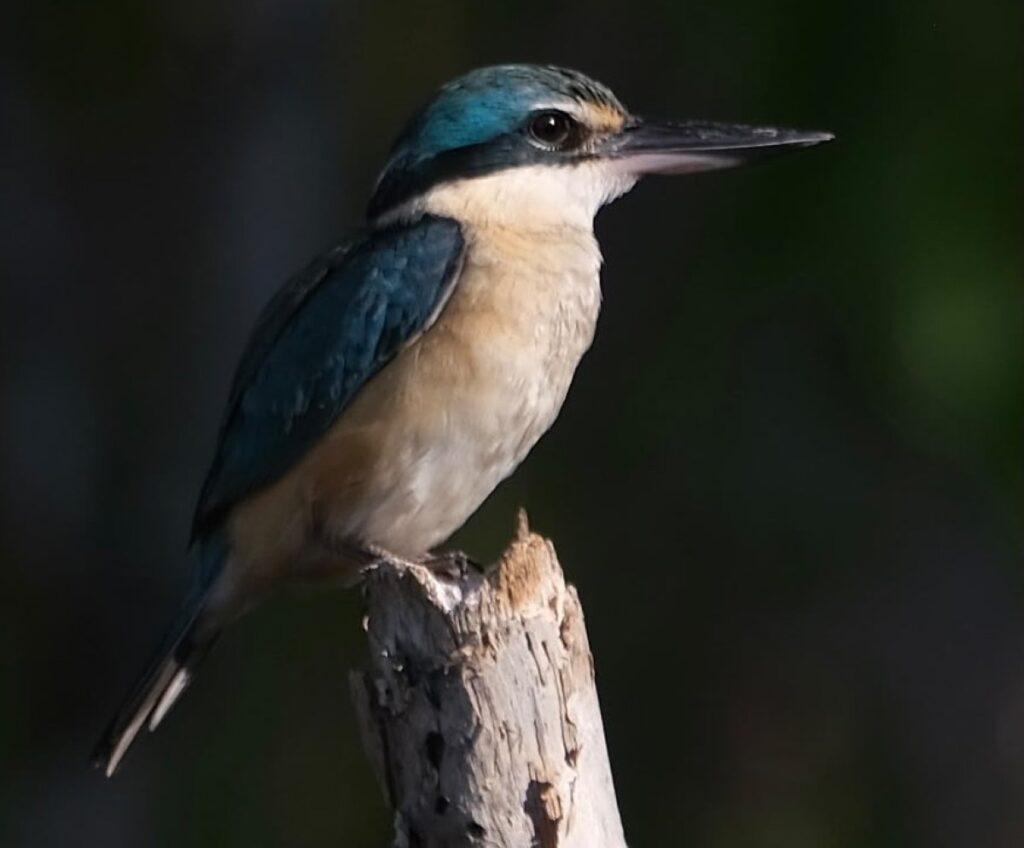
Fig 12. Sacred Kingfisher on a wilderness walk – photo Simone 4 Oct
Favourite food: crustaceans, small reptiles, insects
Wilderness Walks
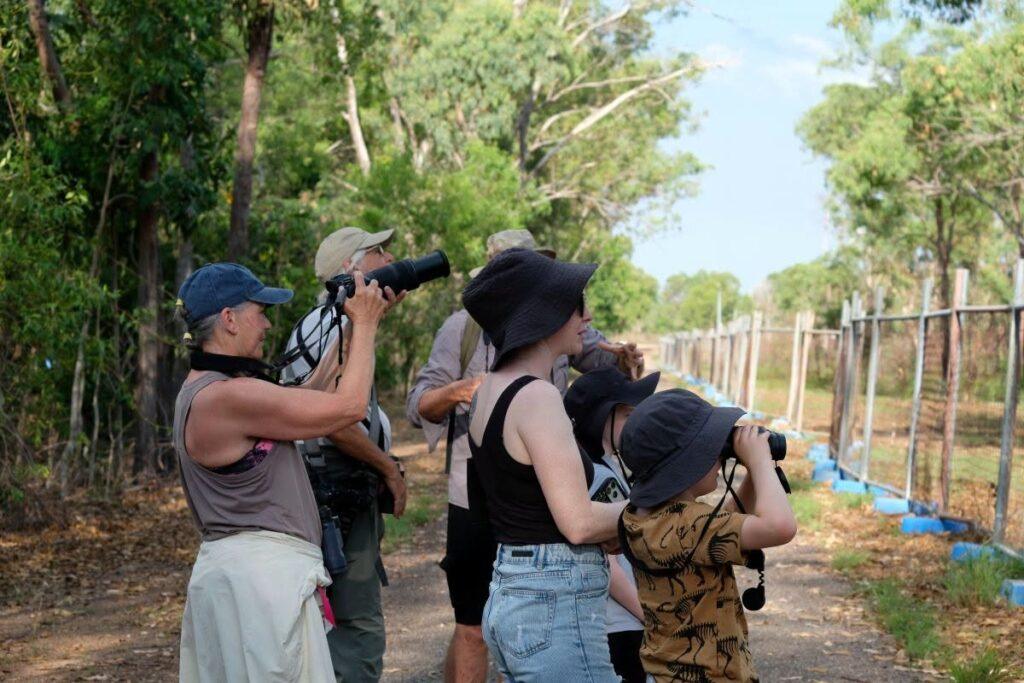
Fig 13. People on a Sunday wilderness walk – 4 Oct 2026
Wilderness Walks have been recording 30-50 bird species – 50 bird species were recorded on the 4 Oct morning walk, refer ebird for latest sightings. Please check Friends of Lee Point Facebook for walk times.
Fig 14. Aussie Bird Count runs 19-25 October 2026.
Aussie Bird Count – in your backyard or at Lee Point it is a great way to connect with nature.
Enjoy the drama of build-up storms