Greetings,
This monthly newsletter (No. 79) includes: Nature, 2CRU plant survey, BFTR – 2CRU offset, quiz, plants-fungi-wildlife.
1.0 Nature
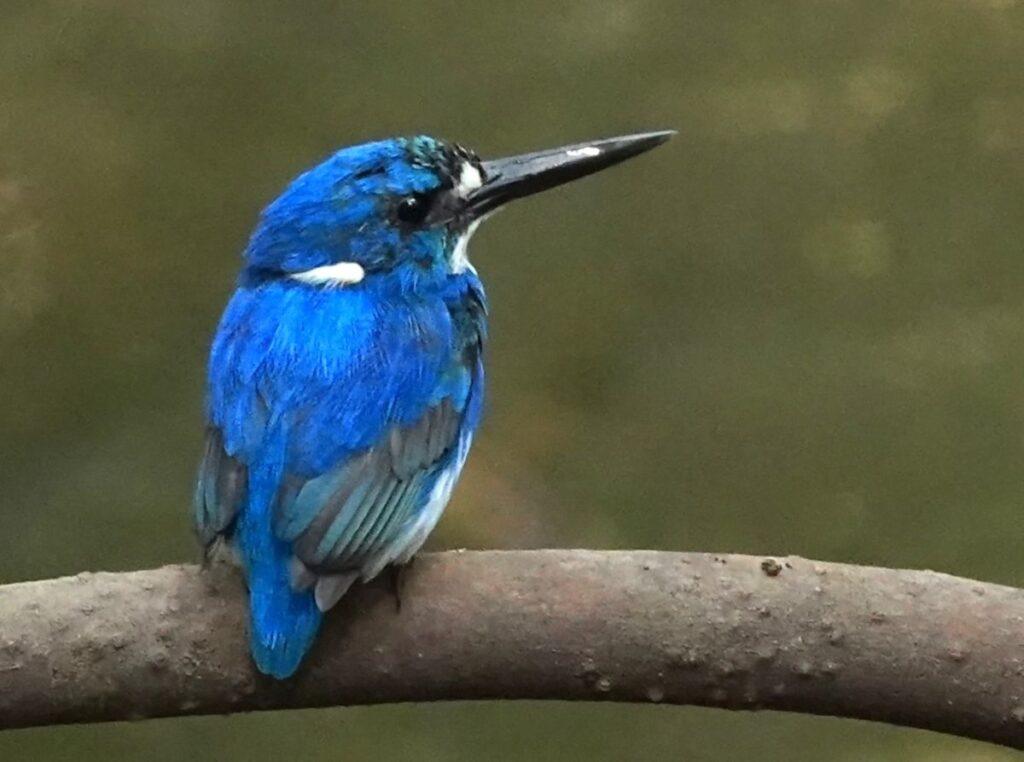
Fig 1. Little Kingfisher in the mangroves at Lee Point – 23 Oct 2026
City of Birds – These photos from the ABC News show why Darwin is known as “City of Birds”.
Birds are an effective indicator for biodiversity because they eat a wide variety of food i.e. seeds, nectar, fruit, invertebrates, fish, reptiles, mammals – birds are also easily seen and identified.
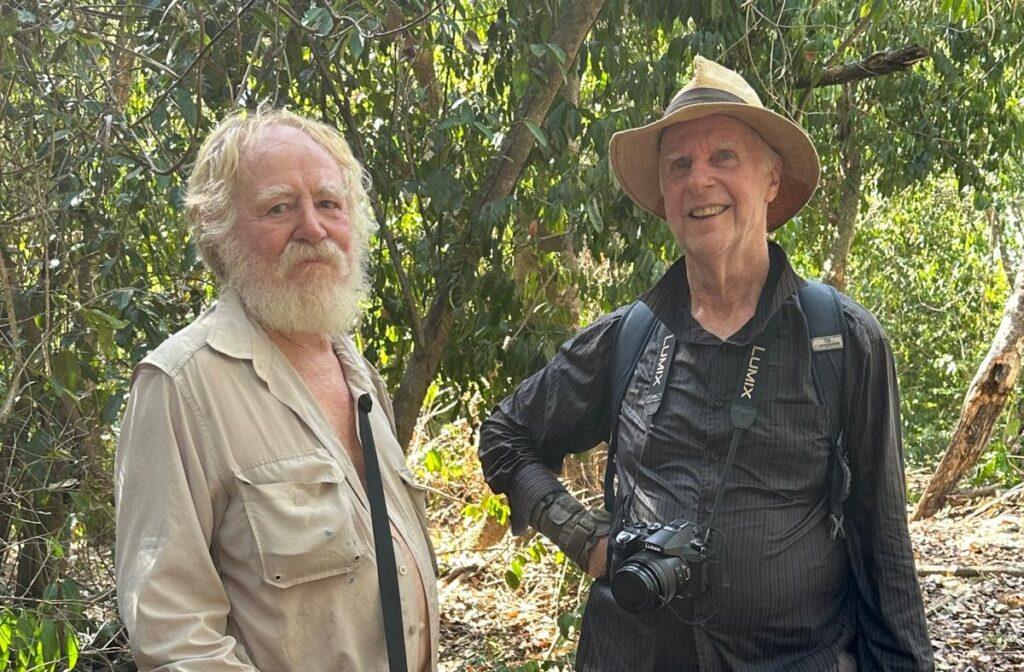
Fig 2. William Burgess (left) and John Brock in 2CRU monsoon rainforest – 21 Oct.
2CRU plant survey – John Brock, the well-known author of “Native plants of Northern Australia” and William Burgess (botanist) have been helping FLP identify plants in the 2CRU offset area … read more.
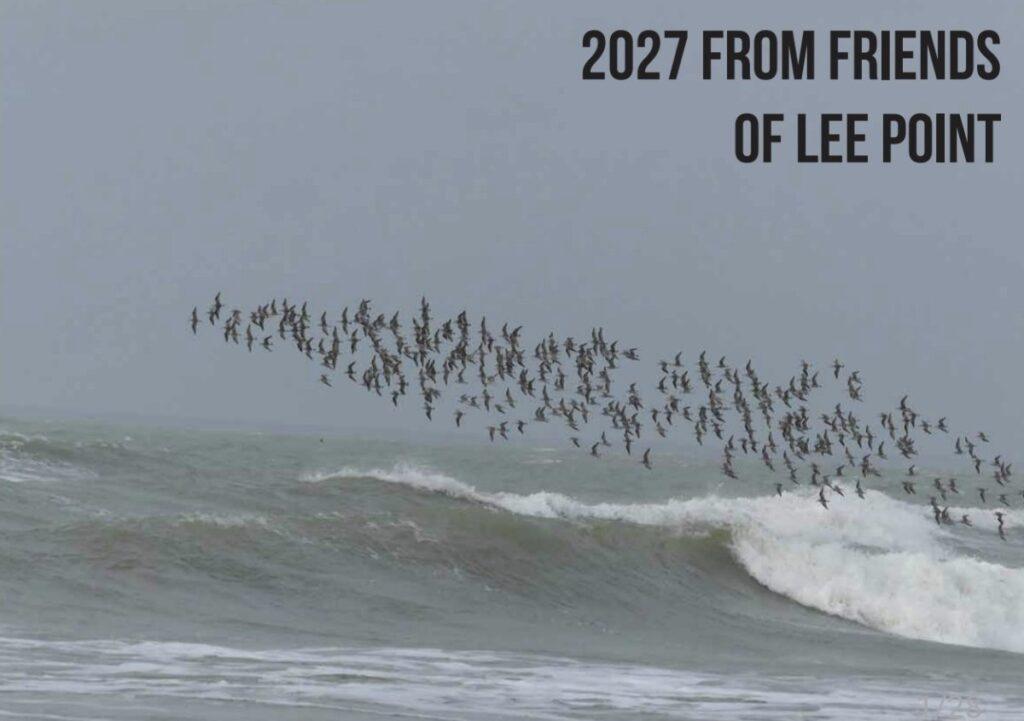
Fig 3. Front cover of Calendar.
The 2027 Friends of Lee Point Calendaris available at Sunday Nightcliff Markets for $15.
2.0 Black-footed Tree-rat
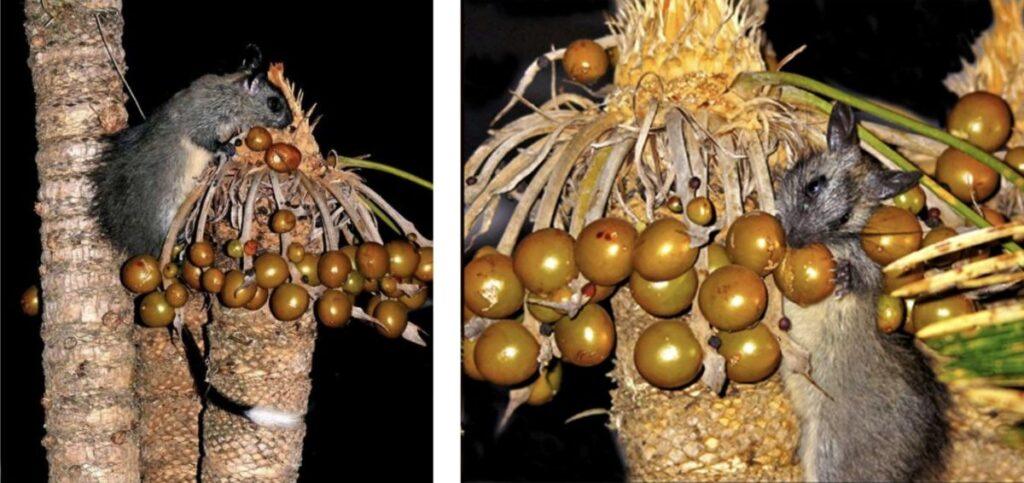
Fig 4. Black-footed Tree-rat on a Cycad (not at Lee Pt) – photos Ian Morris
The nocturnal Black-footed Tree-rat (BFTR) is one Australia’s largest rodents. BFTR numbers have declined substantially with habitat degradation, altered fire regimes, predation and is now endangered…read more.
Doubts surround the 2CRU offset assessment – DHA (a government agency) was supposed to compensate the endangered BFTR for clearing its habitat from 2CRU by providing additional BFTR habitat – the 2CRU offset.
FLP have yet to find the BFTR habitat quality assessment for the 2CRU offset and this week wrote to the National EPA asking them to:
- confirm if a BFTR habitat quality assessment—similar to the one prepared for the 2CRU development area—is available for the 2CRU offset, and
- if so, to please share a copy.
3.0 Lee Point housing project
Senator Malarndirri McCarthy (Minister for Indigenous Australians) has asked Senator Katy Gallagher (Minister for Finance and a shareholder minister of DHA) to reconsider the impacts of the Lee Point housing project.
Territory Labor – Ed Smelt MLA has appealed to the federal government to build its contested Lee Point housing estate on the surplus land that it plans to sell off for development at Defence Establishment Berrimah (DEB).
Friends of Lee Point argue that DEB is a far superior alternative to Lee Point for defence and community housing for many reasons and concerns. One concern is having a government agency (DHA) building 600 high-cost lots ($300k plus) for investors at Lee Point – while Darwin desperately needs affordable lots/housing – is a misallocation of public funds.
Senate Inquiry
City of Darwin has sent a letter to Federal Ministers requesting a Senate inquiry into the Lee Point housing project …read more.
Sign the SENATE PETITION to help make this happen.
4.0 Quiz
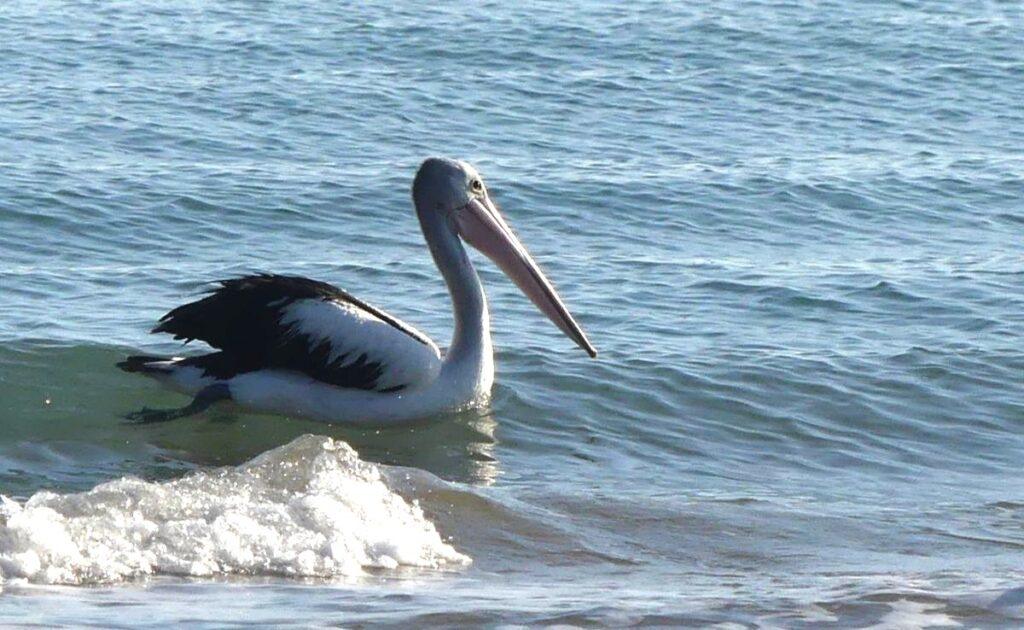
Fig 5. Australian Pelican at Lee Point beach.
The Australian Pelican is one of Australia’s largest flying birds weighing up to 13kg with a wingspan of 2.5m.
What is Australia’s smallest bird (also seen at Lee Point)? Answer at the end.
5.0 Plants-fungi-wildlife
Images from Lee Point Oct 2026 unless noted otherwise.
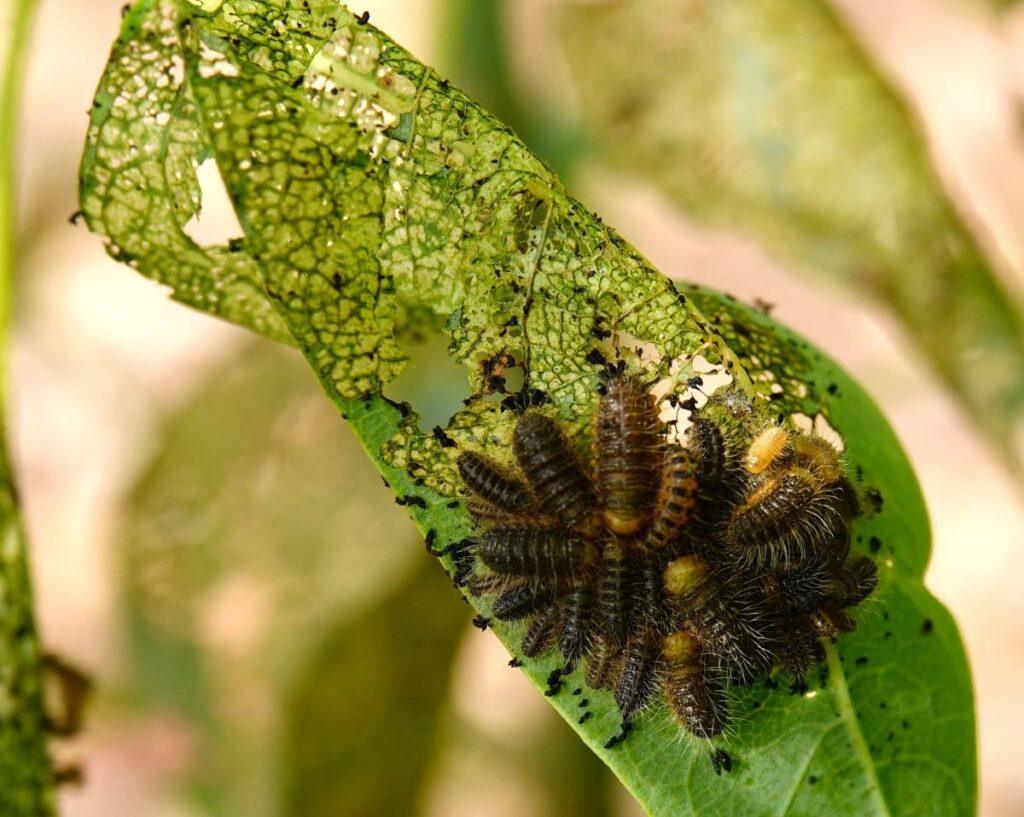
Fig 6. Leaf-eating Beetle larvae
Food: leaves
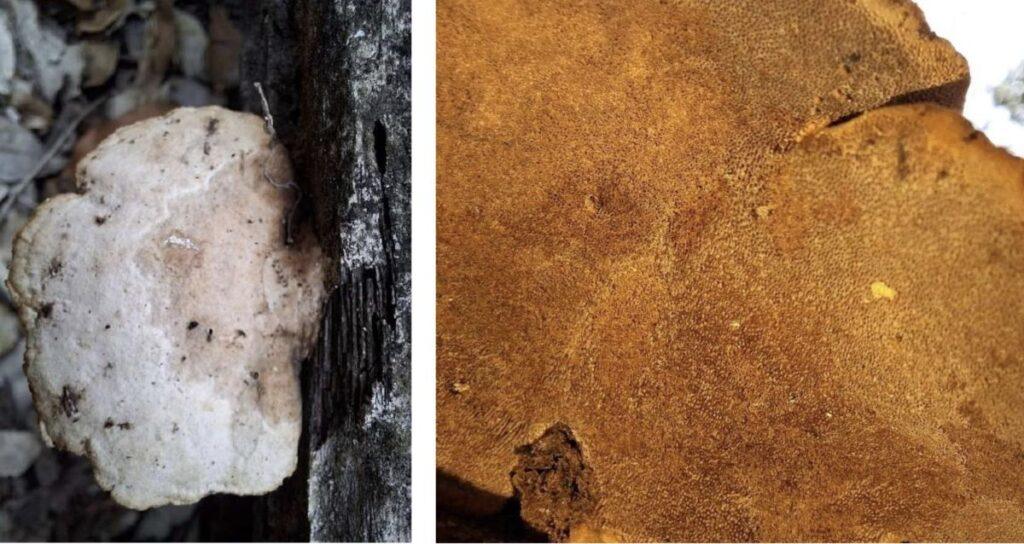
Fig 7. Fruit from fungi – woody pore
Favourite food: dead organic matter
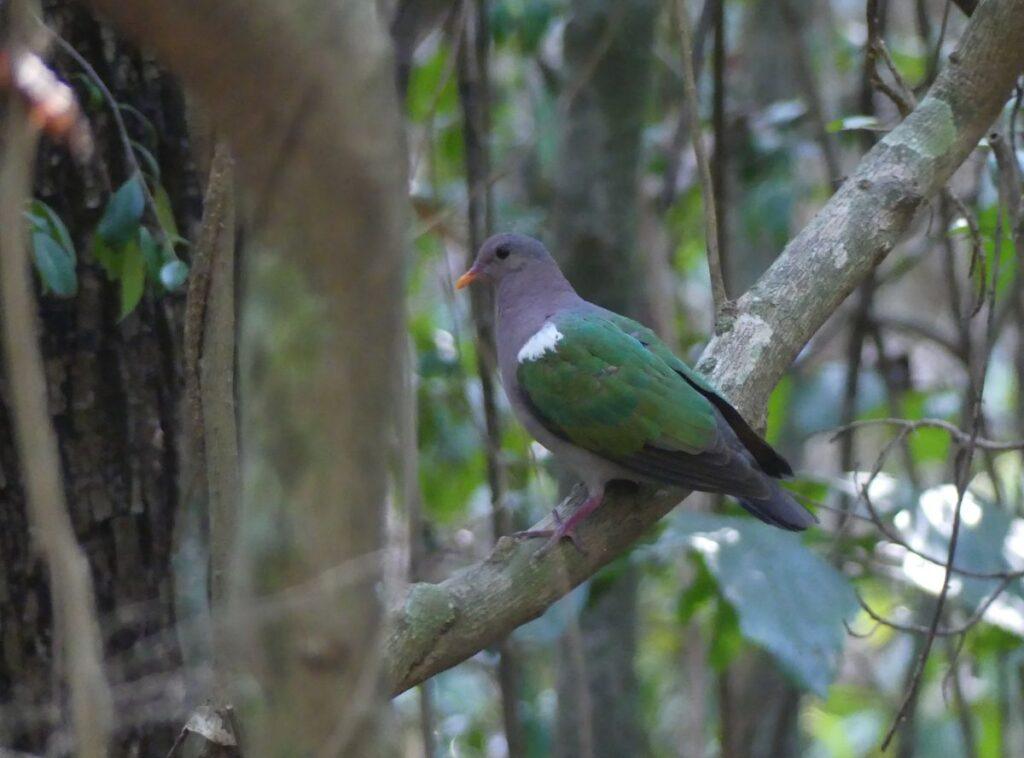
Fig 8. Pacific Emerald-Dove in Monsoon Rainforest
Favourite food: seeds and fruit
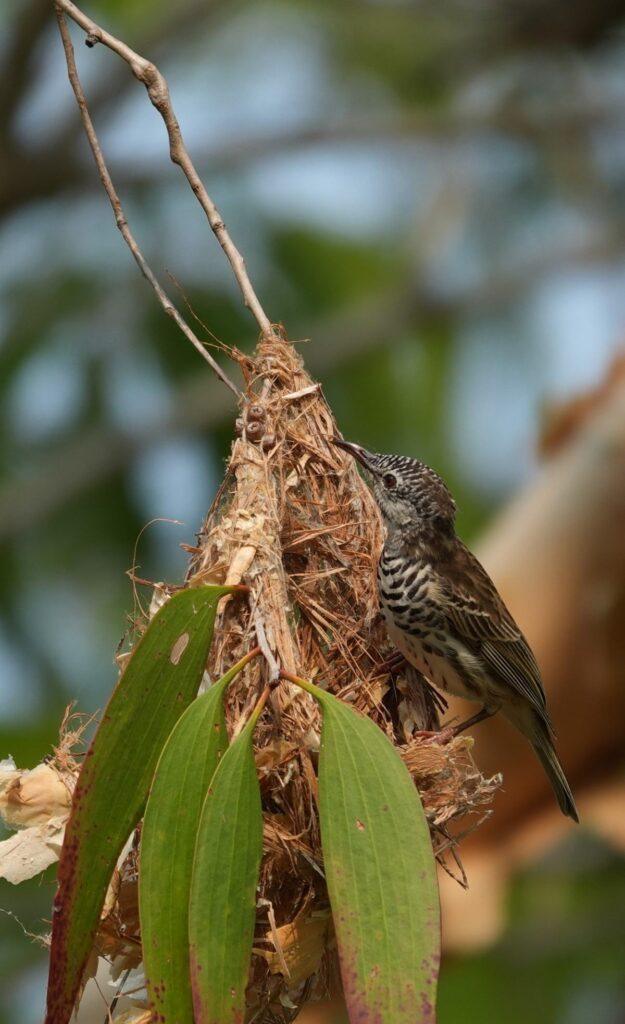
Fig 9. Bar-breasted Honeyeaters have been building nests at Lee Point Dam.
Favourite food: nectar and invertebrates
Bar-breasted Honeyeaters build their nests on the tips of thin branches over water to deter heavy tree-climbing predators like pythons.
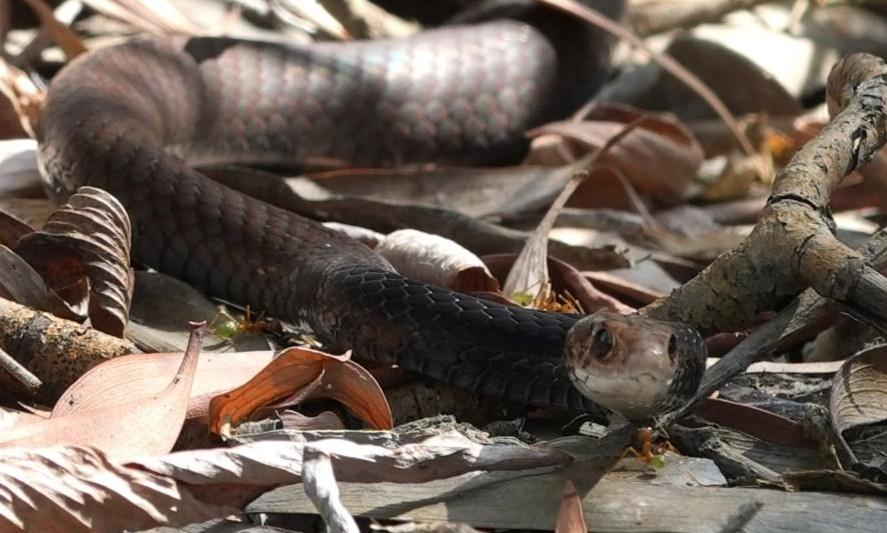
Fig 10. Australian Keelback (also called Freshwater Snake) at Lee Point Dam
Favourite food: frogs
The Australian Keelback is a harmless, non-venomous snake. It is known for being able to eat Cane Toads, up to a certain size, without being harmed.
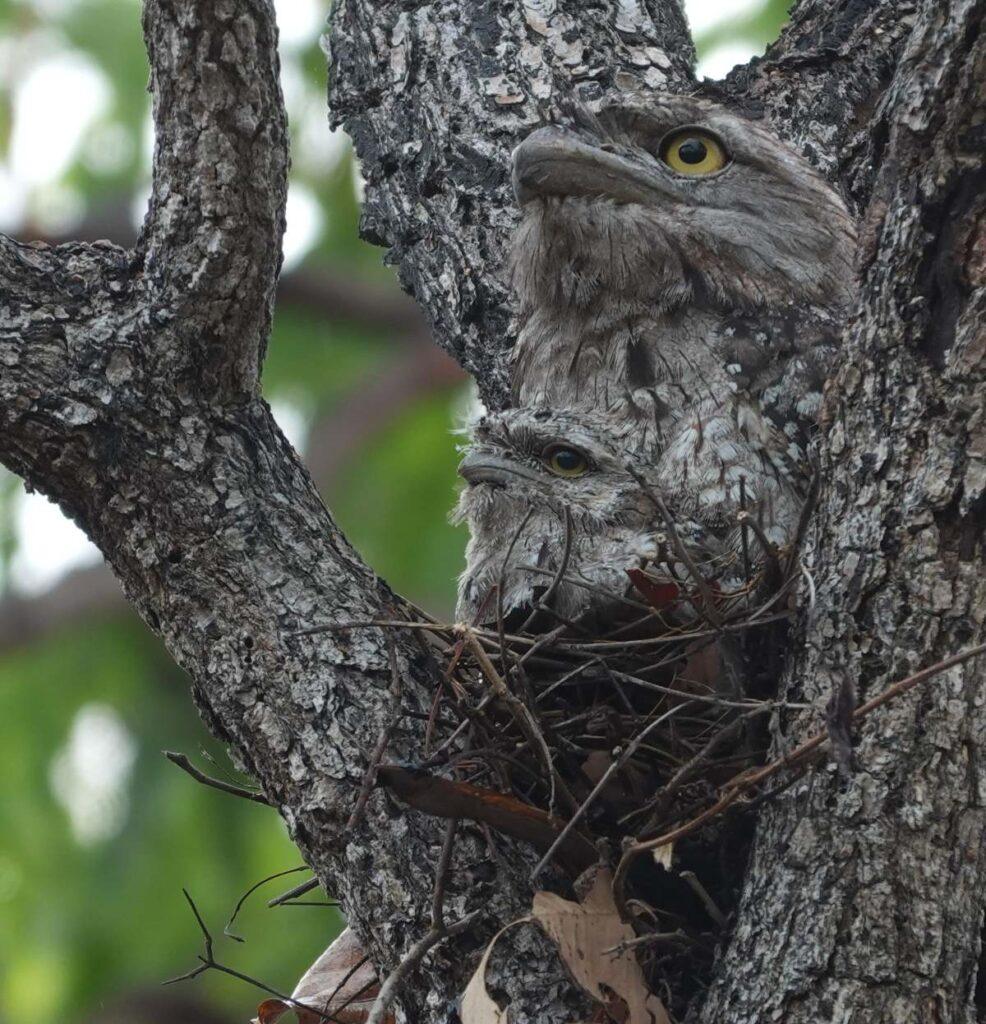
Fig 11. Tawny Frogmouth with mature chick in CCR – 30 Oct
Favourite food: large nocturnal insects.
Wilderness Walks
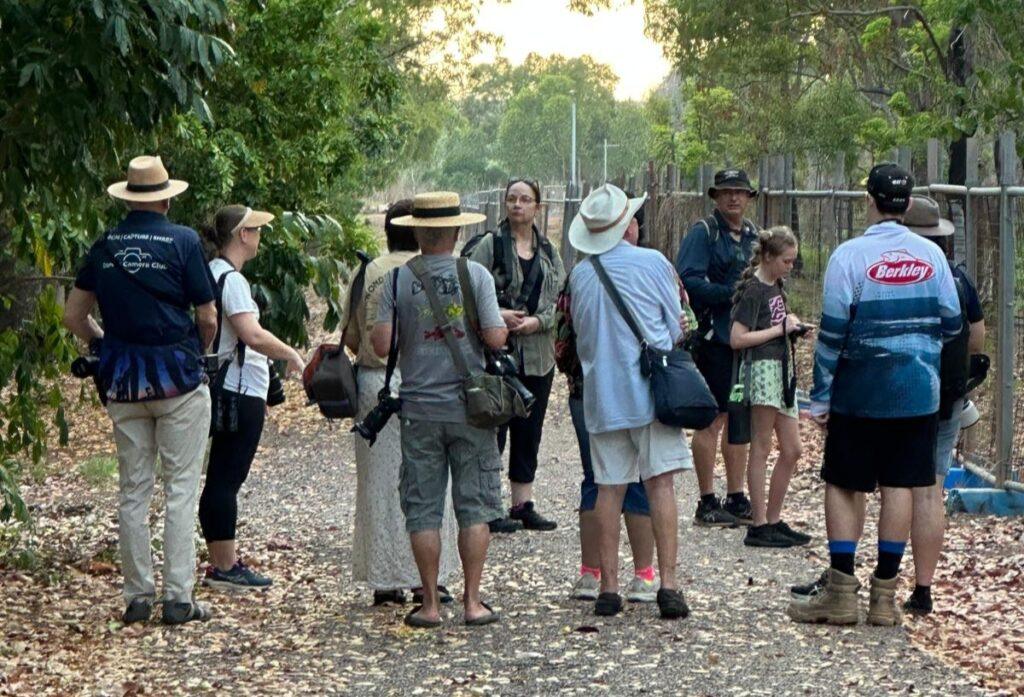
Fig 12. Darwin Camera Club on an early Sunday morning wilderness walk – 25 Oct 2026
Wilderness Walks have been recording 30-50 bird species – 50 bird species were recorded on the 4 Oct morning walk, refer ebird for latest sightings. Please check Friends of Lee Point Facebook for walk times.
Enjoy the drama of build-up storms
Answer to Quiz
The Weebill is Australia’s smallest bird.
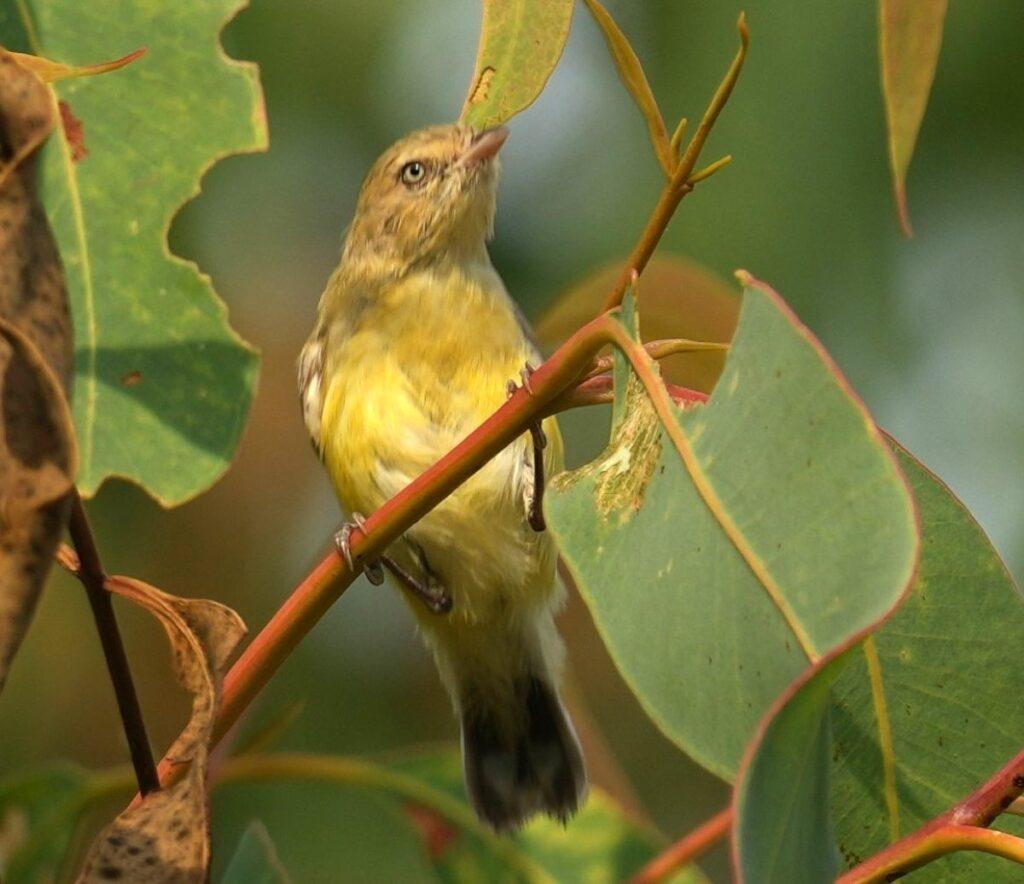
Fig 13. Weebill at Lee Point – photo Sam Duffy, 19 Oct 2026
Favourite food: small insects
A Weebill has a:
- length of 8-9cm
- wingspan 15cm and
- weight (adult) 6gms
As a comparison, the standard Apple iPhone 17 has a length of 15cm and weights 177gm.