Greetings,
This monthly newsletter (No. 71) includes: Weaving event, Chan Ward by-election, Save Lee Point Action, quiz, plants-fungi-wildlife.
1.0 Lee Point Events
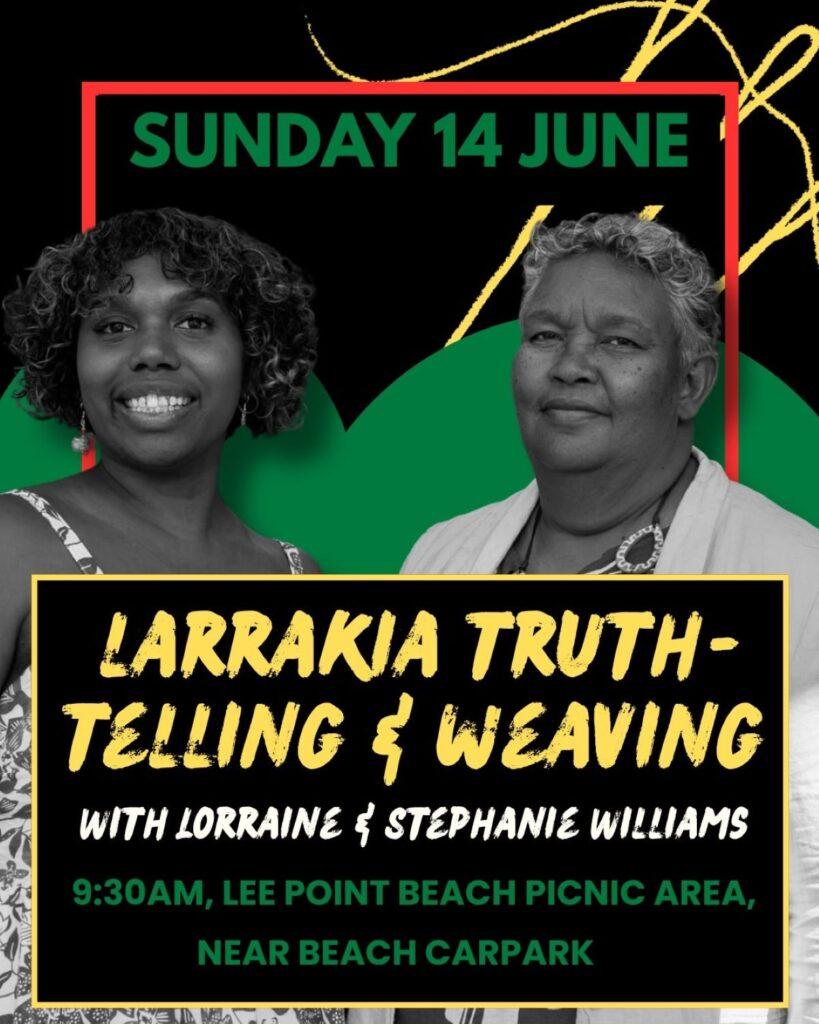
Fig 1. Flyer for Larrakia Truth – Telling and Weaving at Lee Point
An event not to be missed. Binybara carries stories of Larrakia ancestors – see you there.
Wilderness Walks – 7.00-9.30am and 4.30pm Sunday 14 May, refer Friends of Lee Point Facebook.
2.0 Chan Ward By-election survey
Where the Chan Ward candidates stand on Lee Point – The eight candidates were asked these two questions, if elected would they support:
Q1. A moratorium on the current DHA housing development at Lee Point until the NT Planning Commission has completed a comprehensive Area Plan for the whole of Lee Point.
Q2. A Senate inquiry into the Defence Housing Australia (DHA) Lee Point project.
Candidates are ranked here in order of highest primary vote (with responses).

Fig 2. Survey of eight Chan Ward candidates, ranking is on first count (no postal votes).
It’s good to see voters supporting Save Lee Point, read their comments. The election could be decided in the next few days, refer to NTEC website.
3.0 Action on Save Lee Point
Land Swap – The Lee Point housing project is one of the most controversial and unpopular housing projects in Darwin’s history.
The sale of the Defence Establishment Berrimah (DEB) and Kowandi North site (near Holtze) by the Australian Government offers a unique opportunity to rectify these problems, refer Build at Berrimah not Lee Point.
Senate Inquiry – City of Darwin has sent a letter to Federal Ministers requesting a Senate inquiry into the Lee Point housing project …read more.
Sign the SENATE PETITION to help make this happen.
The time for Labor to act is now – Territory Labor has supported a moratorium and a new Area Plan for Lee Point by the NT Planning Commission. Send a Letter to Ed Smelt MLA.
Proposal to fix Lee Point erosion gullies – The NT Government has invited submissions on a DHA application to fix erosion gullies at Lee Point. The gullies were caused by defence clearing the 2CRU land many years ago.
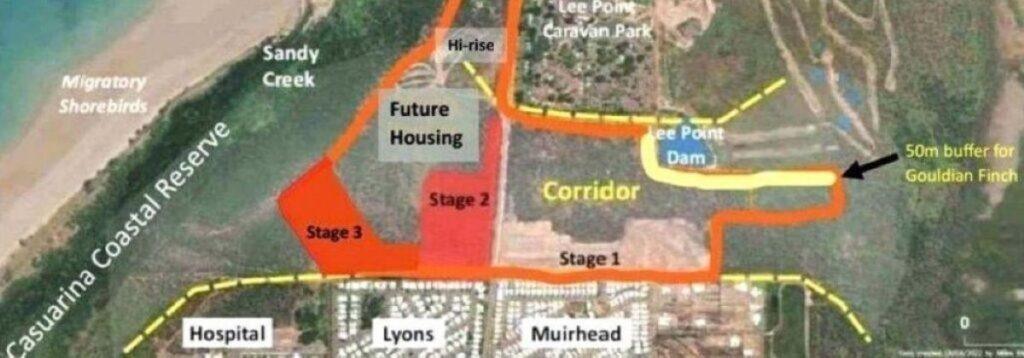
Fig 3. The main 2CRU erosion gullies are located southwest of Stage 3.
FLP does not support the application PA 2026/0187 because it needs further work…read more.
Please consider providing a submission
PA 2026/0187 submissions close midnight Friday, 19 June 2026
refer: https://www.ntlis.nt.gov.au/planning-notices-online/notices#/index
4.0 Quiz
Wildlife in Darwin suburbs include (from top left clockwise): Green Tree Frog, Spotted Tree Monitor, Northern Brushtail Possum, Black Flying Fox, Double-barred Finch, Bush Stone Curlew.
One of the species is classed as “Vulnerable” by the Australian Government, which one? Answer at the end.
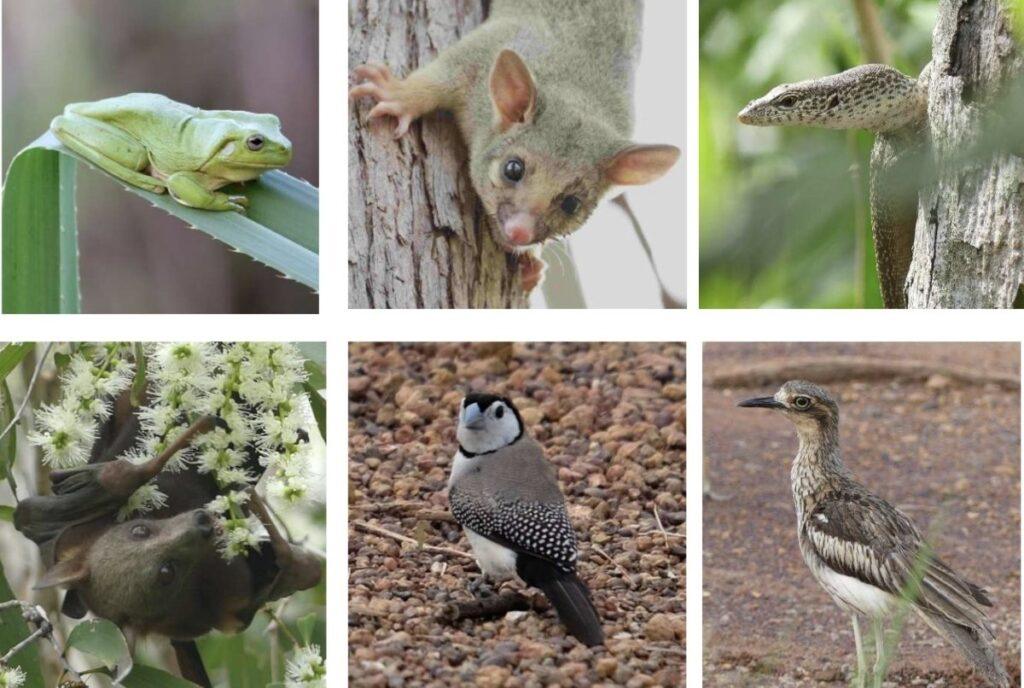
Fig 4. Wildlife in Darwin suburbs
5.0 Plants-fungi-wildlife
Images from Lee Point June 2026.
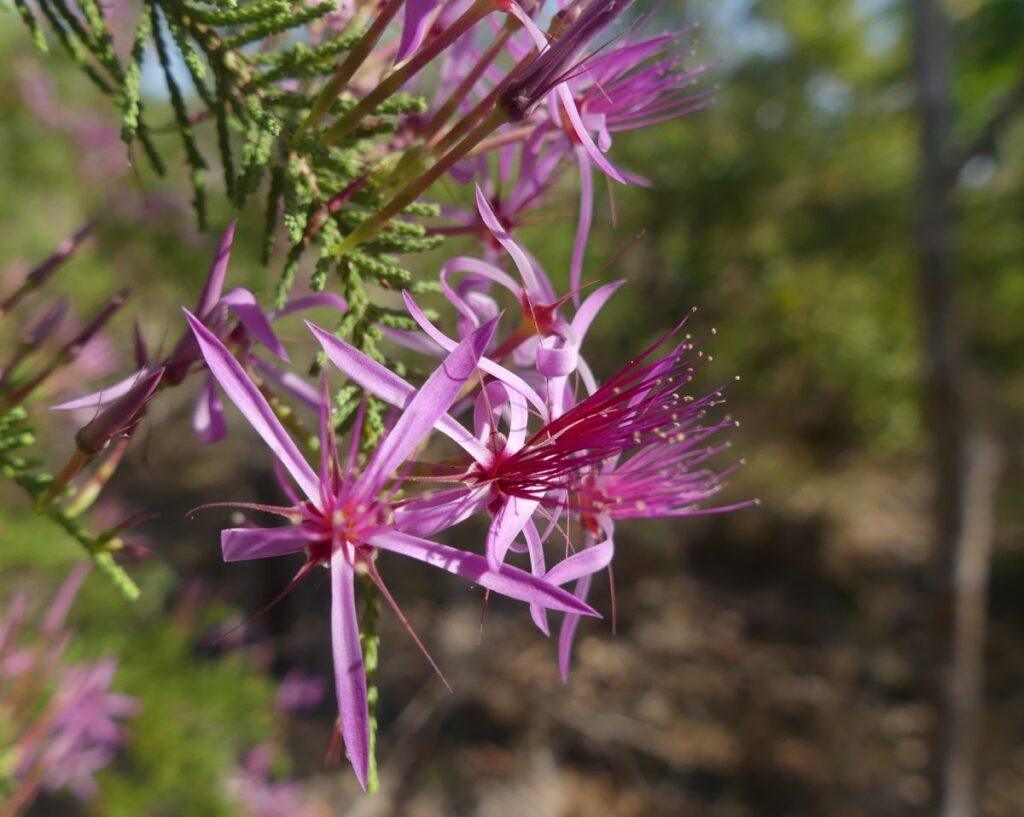
Fig 5. Turkey Bush
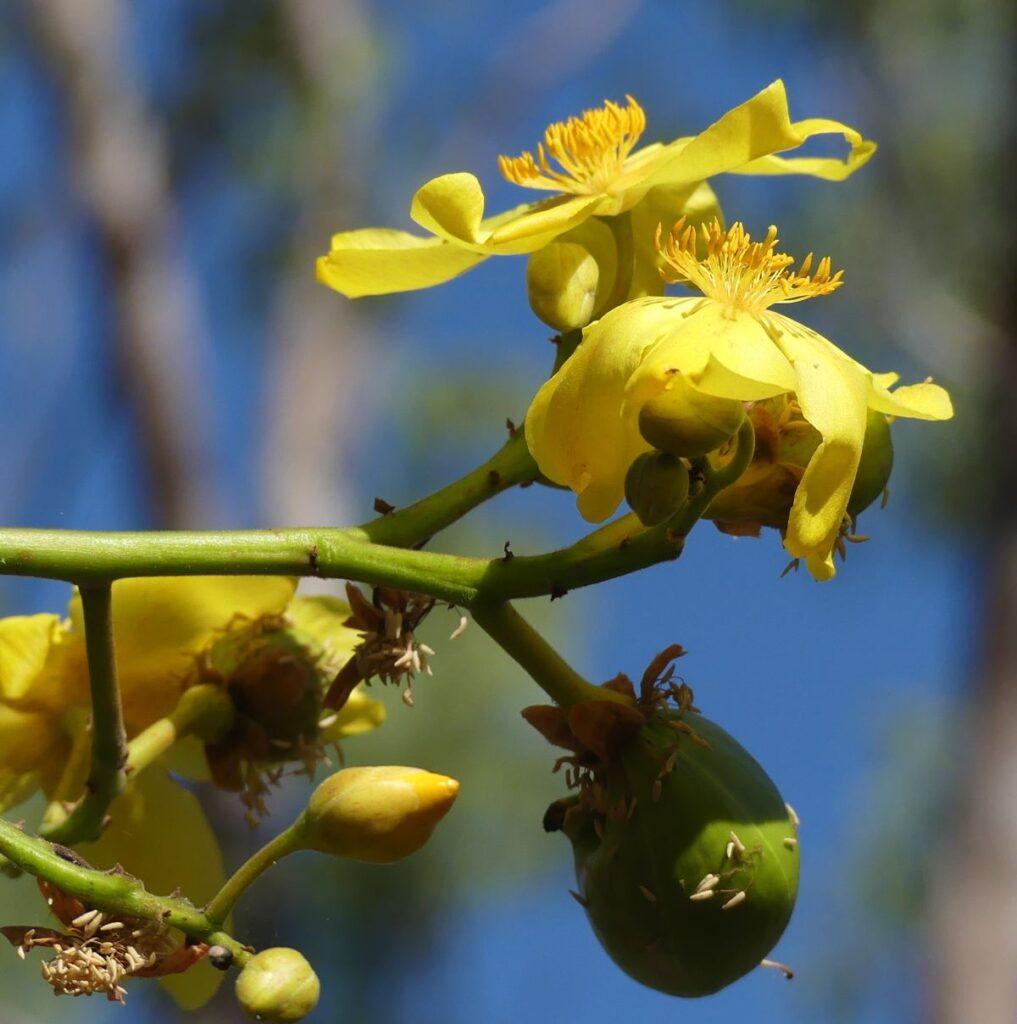
Fig 6. Kapok Bush
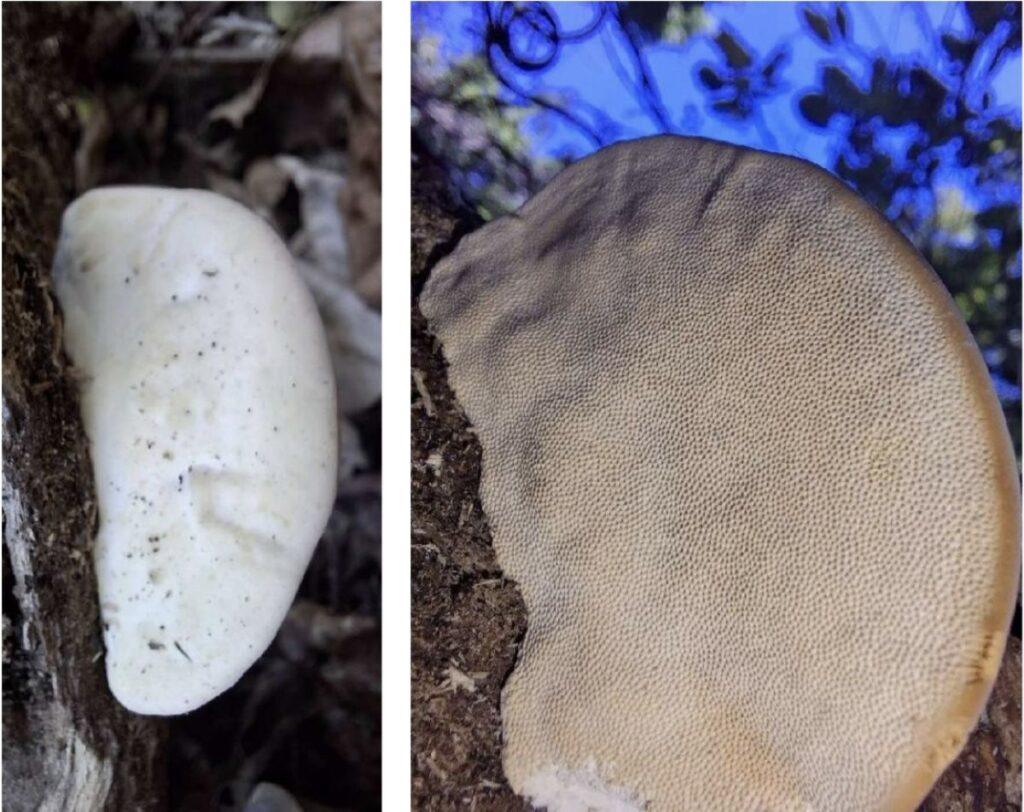
Fig 7. Fruit from fungi (woody pore).
Favourite food: Dead organic matter
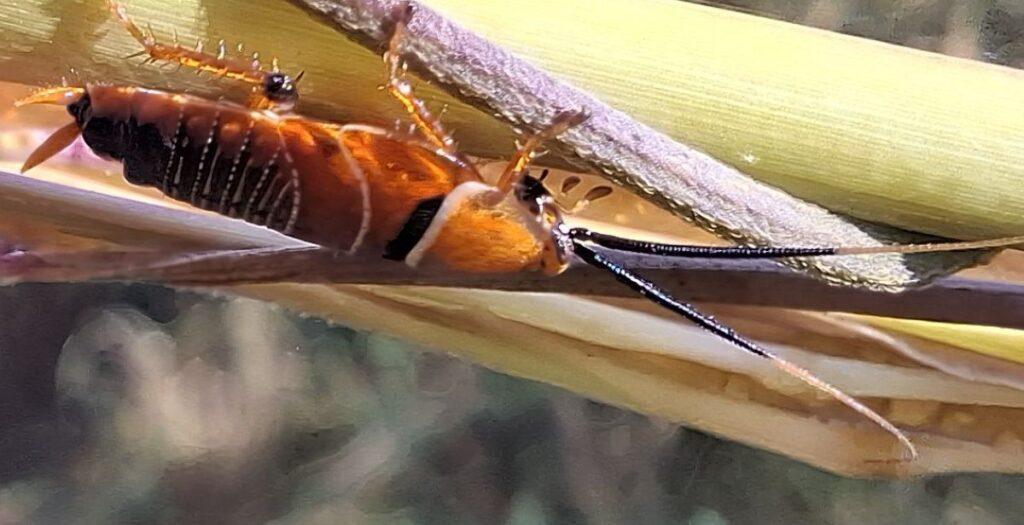
Fig 8. native Bush Cockroach
Favourite food: Decaying organic matter
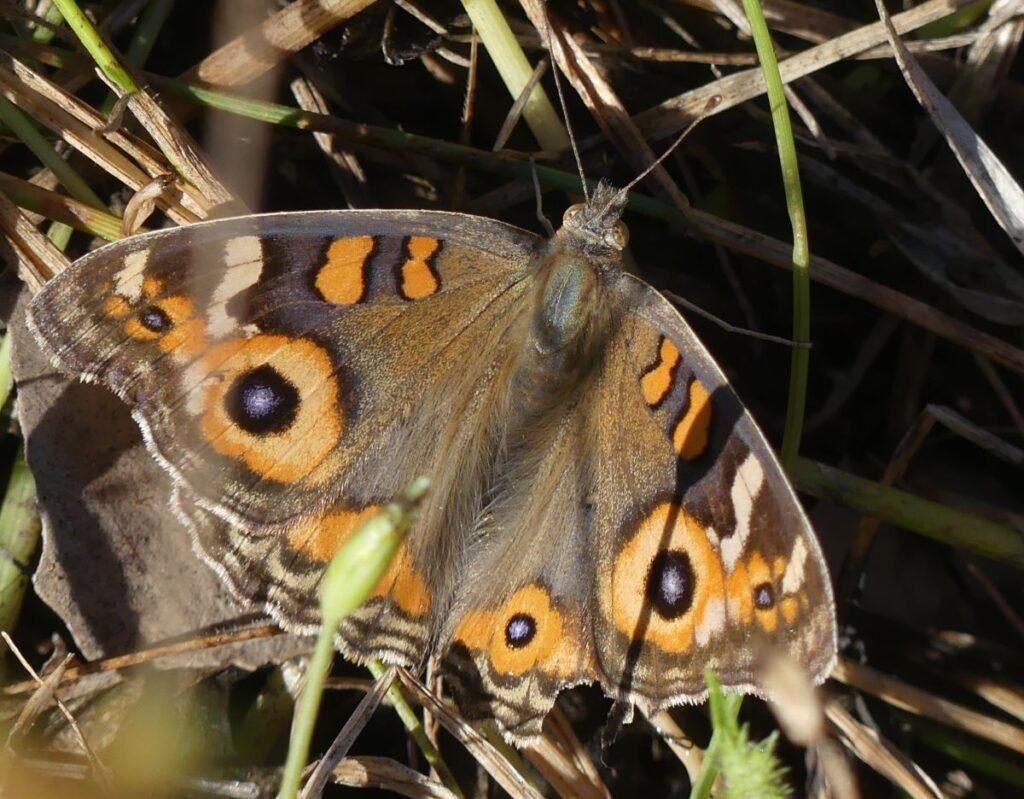
Fig 9. Meadow Argus Butterfly.
Favourite food: Nectar
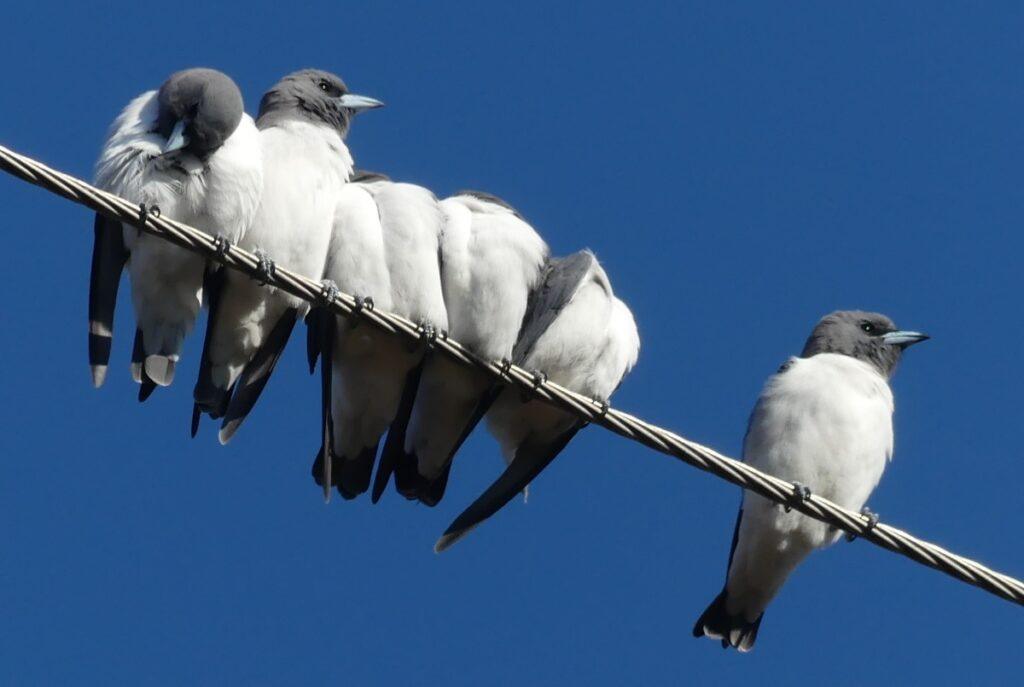
Fig 10. White-breasted Woodswallows arrive in the early dry season.
Favourite food: Insects
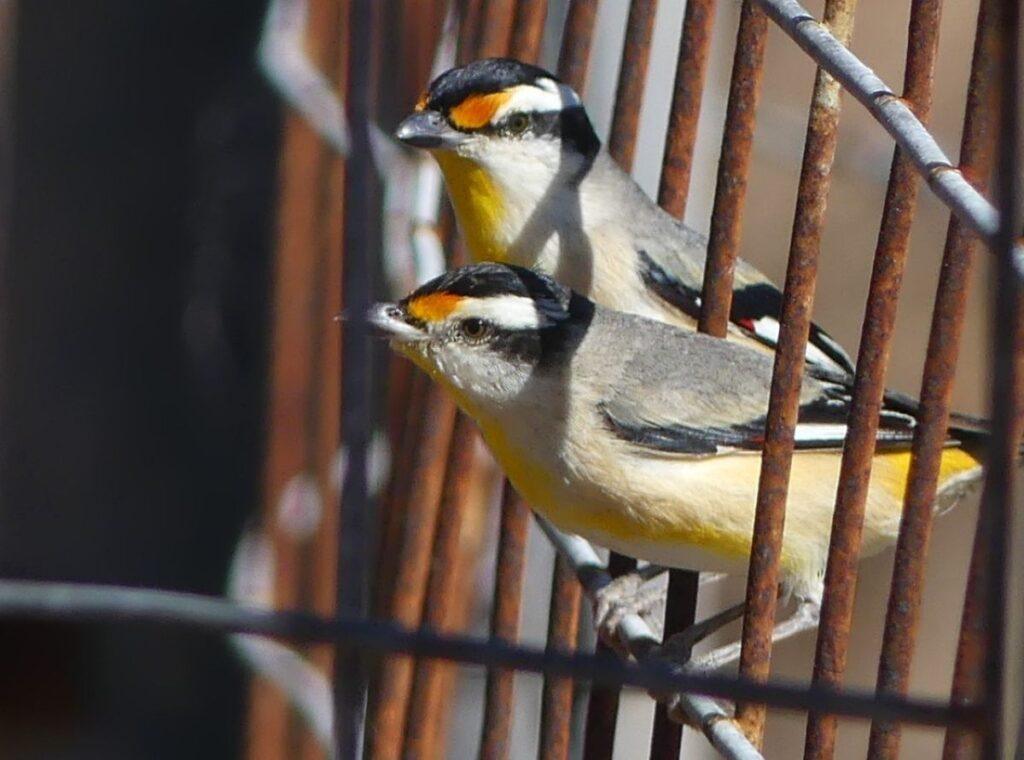
Fig 11. Striated Pardalotes
Favourite food: Insects, spiders and lerp (honeydew from lerp insects).
Gamba Grass
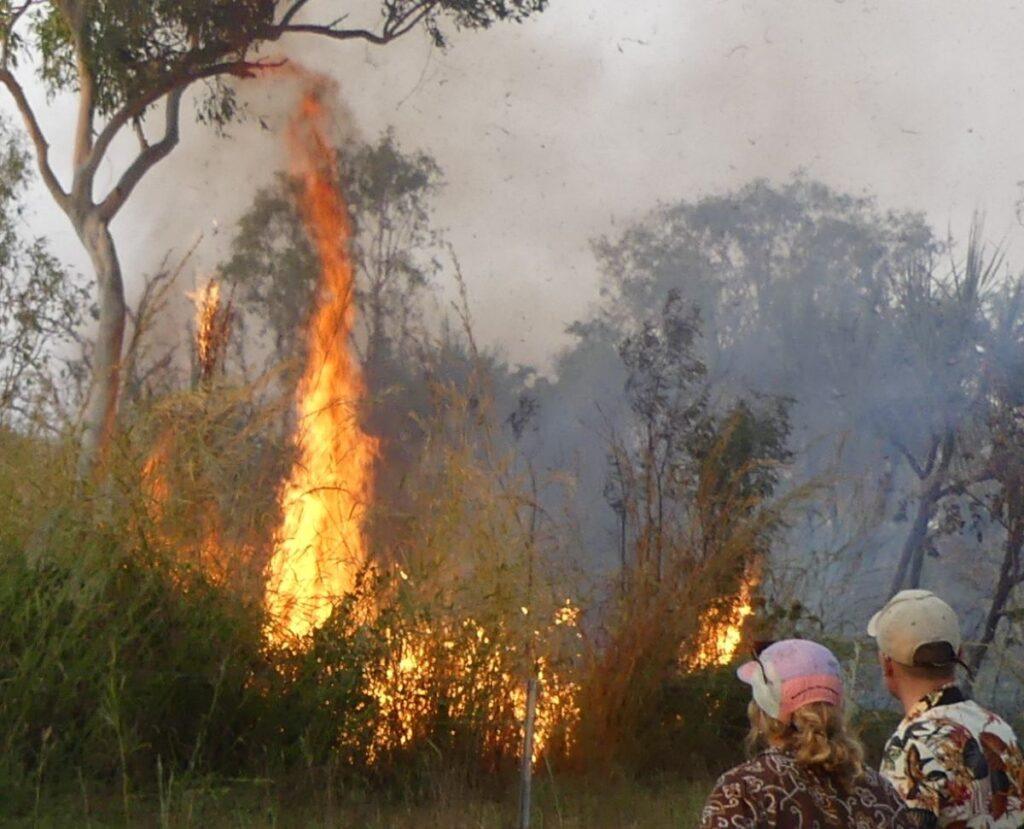
Fig 12. Gamba Grass fire at Lee Point – 31 May 2026
Apart from bulldozers, Gamba Grass is one of the worst threats facing Lee Point and the Top End. It outcompetes native vegetation and Gamba Grass fires kill native trees and wildlife.
The defunding of the (successful) Gamba Army in 2025 by the NT Government has left many people worried.
Wilderness Walks
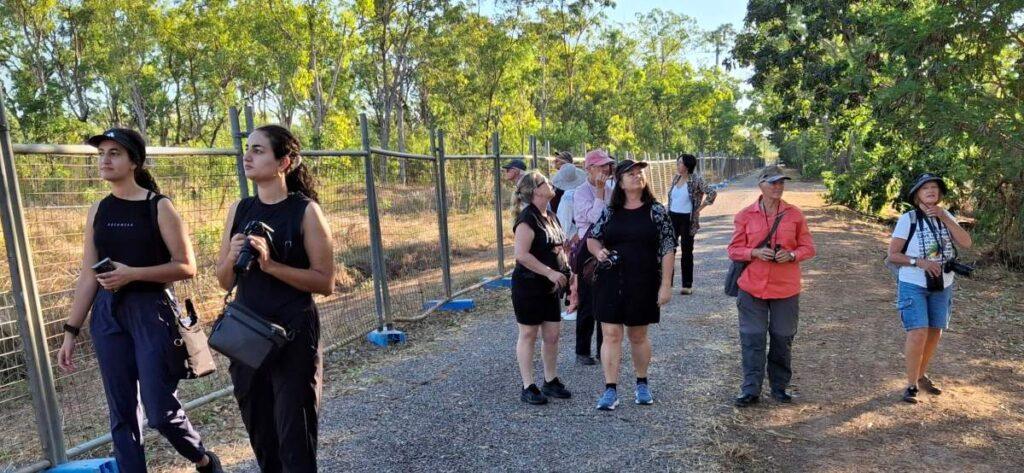
Fig 13. Wilderness Walk on Sunday 7 June 2026
Wilderness Walks have been recording between 25-40 bird species, refer ebird for latest sightings. Please check Friends of Lee Point Facebook for walk times.
Enjoy the dry season
Answer to Quiz
Northern Brushtail Possum.
Bush Stone Curlew populations are stable in the north but under threat in other parts of Australia.
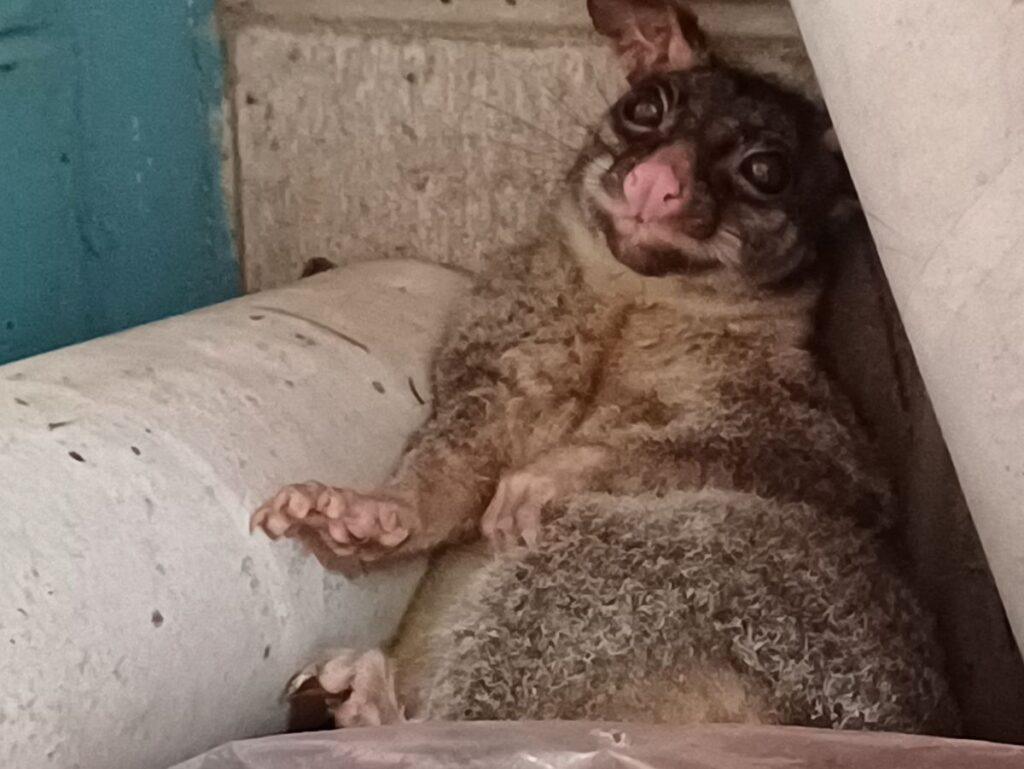
Fig 14. Northern Brushtail Possum in Darwin.
While possums have adapted to Darwin suburban life (some a little too well) their numbers have been declining in the bush.
Native animals are protected in the NT.