Greetings,
This monthly newsletter (No. 75) includes: planning matters, migratory shorebirds, government matters, quiz, plants-fungi-wildlife.
1.0 Planning Matters
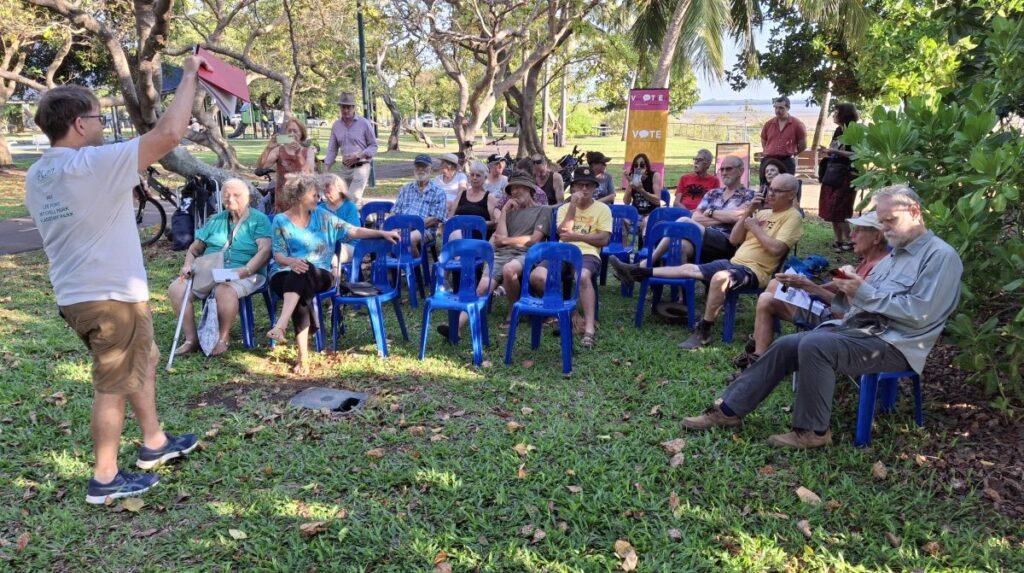
Fig 1. Nick Kirlew (MC) prior to speakers at Sunset Park, 18 August.
A public meeting with elected representatives was held to discuss planning matters – Lee Point was on the agenda…read more.
Call for more action on Lee Point
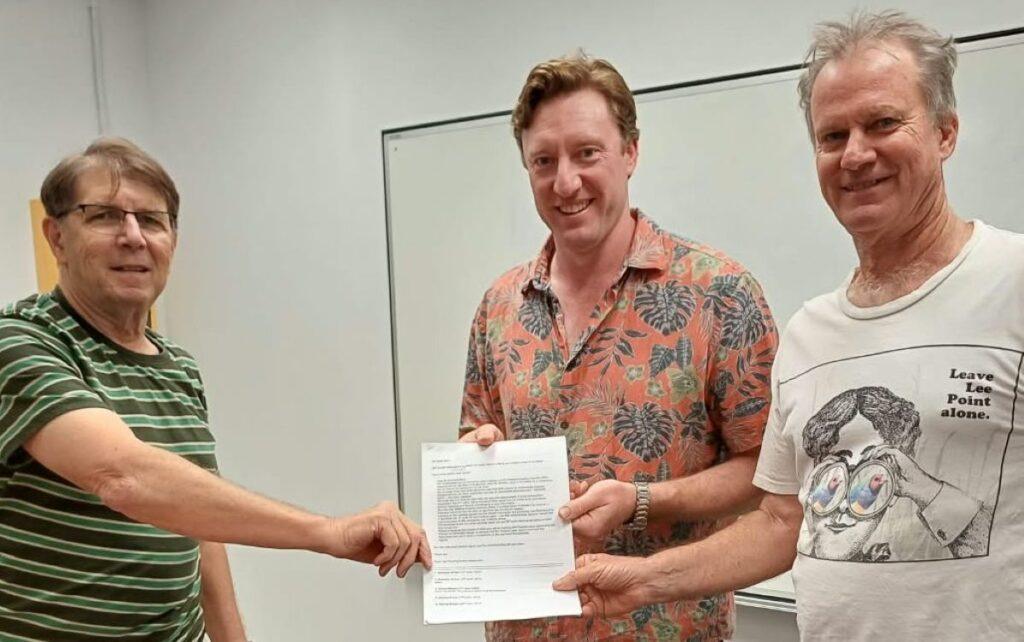
Fig 2. Nick Kirlew (left) from Plan and Ian Redmond (right) from FLP handing a letter to Ed Smelt MLA (middle) on 16 Aug 2026.
The letter, signed by 658 people, calls on Territory Labor to take action on their recent commitment to support a moratorium on clearing and a new Area Plan at Lee Point.
Asbestos Removal Work at Muirhead.
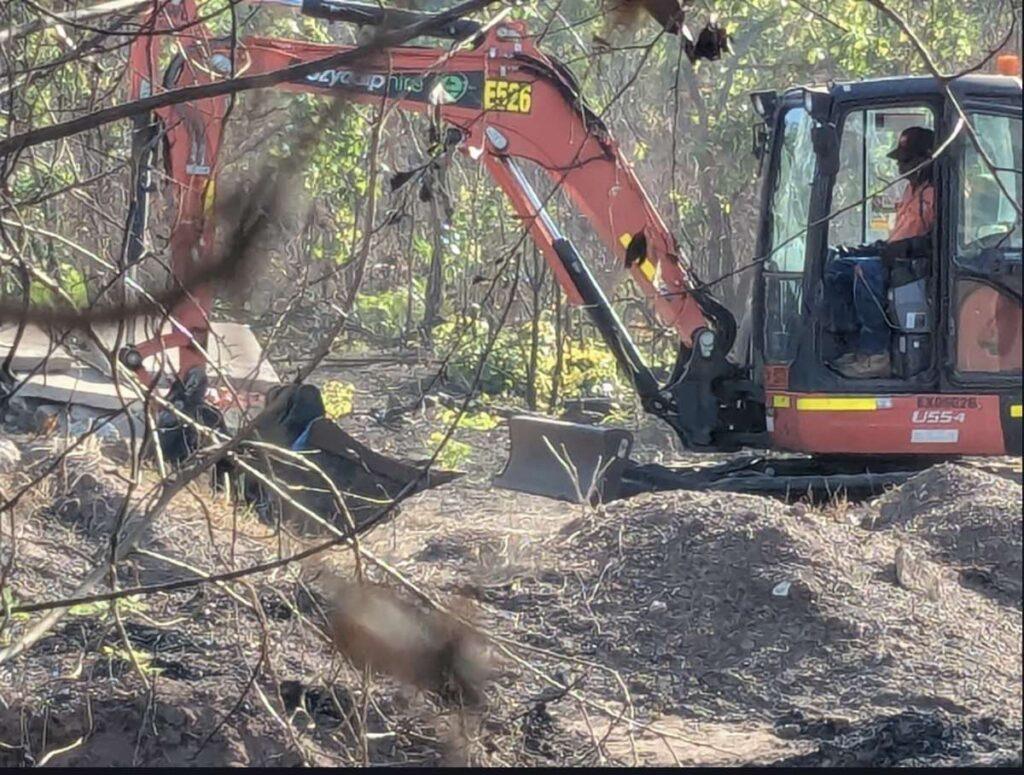
Fig 3. Removing Asbestos at Muirhead North late Aug 2026.
A large number of security people have been at the Muirhead North site. Using some of these (public) funds for Gamba Grass control would have been a better use of funds (we own DHA). Asbestos removal works are due to finish 8 Sept.
Gamba Grass problems
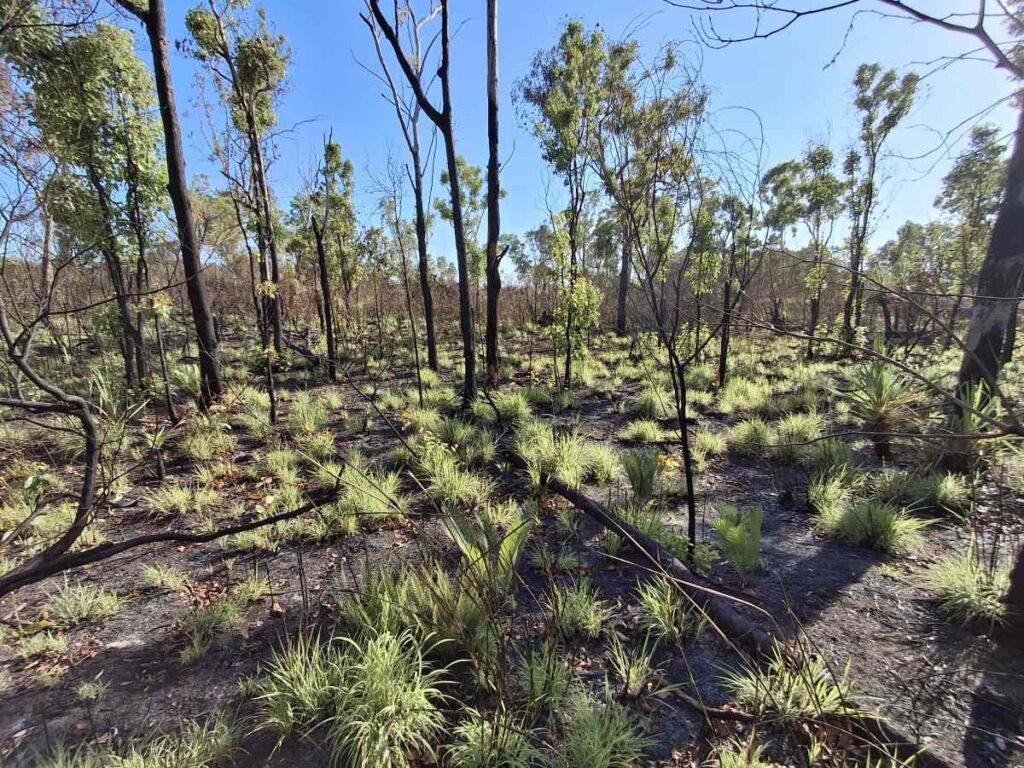
Fig 4. Gamba Grass southwest of Lee Point Dam in Aug 2026.
Invasive Gamba Grass has spread throughout much of the Lee Point Biodiversity Corridor, including the 50m Gouldian Finch buffer…read more.
2.0 Migratory Shorebirds
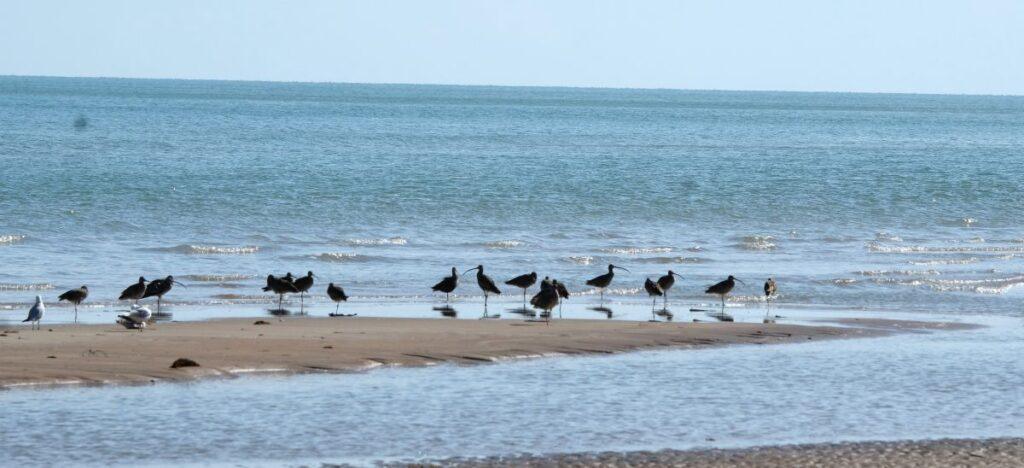
Fig 5. Endangered Eastern Curlews have just returned to Sandy Creek from the Arctic Circle.
Darwin-Garramilla Shorebird Festival is a community celebration of the remarkable migratory shorebirds that visit northern Australia each year. It is on again 20-27 Sept.
3.0 Government matters
Build at Berrimah – ask your MLA whether they support shifting the defence housing project to Defence Establishment Berrimah (DEB).
The Lee Point housing project remains one of the most controversial and unpopular housing projects in Darwin’s history refer Build at Berrimah not Lee Point.
Senate Inquiry – City of Darwin has sent a letter to Federal Ministers requesting a Senate inquiry into the Lee Point housing project …read more.
Sign the SENATE PETITION to help make this happen.
4.0 Quiz
In the animal kingdom, what do combinations of red, yellow, black and white signify? Answer at the end.
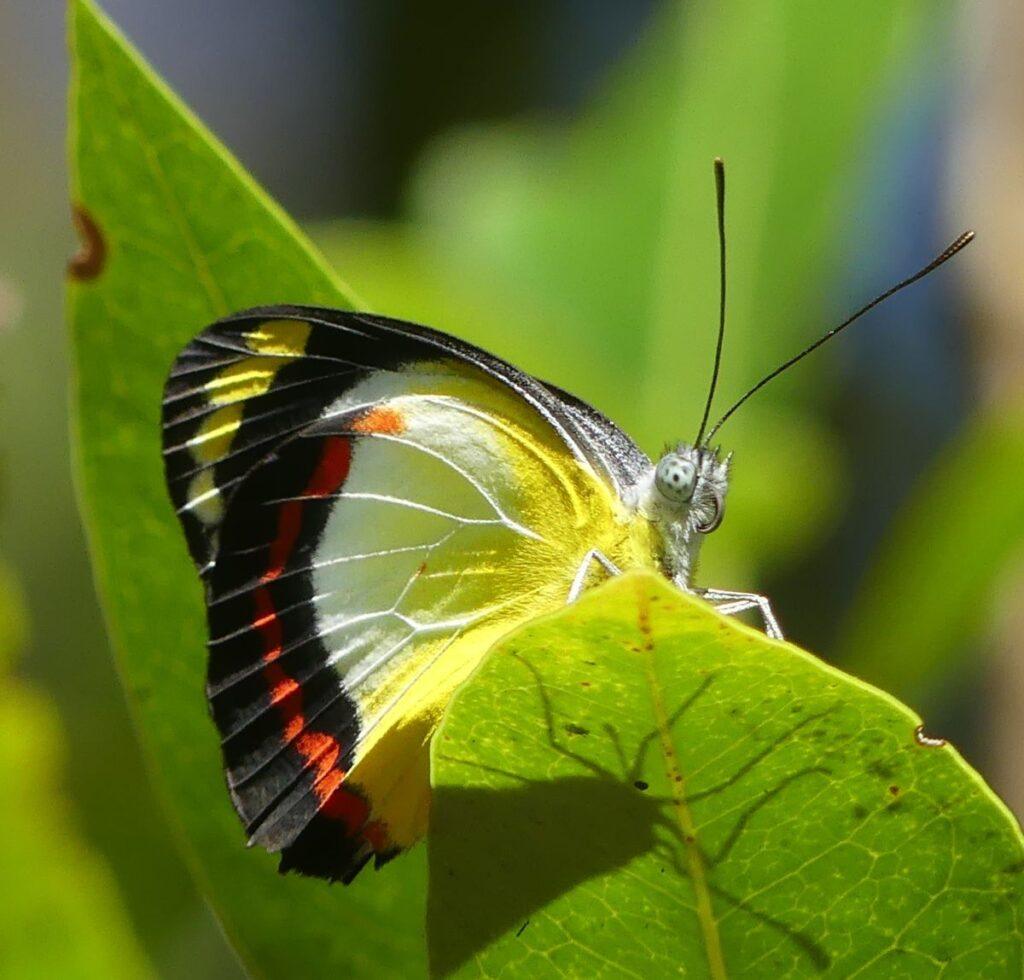
Fig 6. Mangrove Jezebel (Delias aestiva) at Lee Point – Buffalo Creek, Aug 2026.
Favourite food: Nectar
5.0 Plants-fungi-wildlife
Images from Lee Point Aug 2026.
The plants are recovering from the fires that tore through the Lee Point Biodiversity Corridor in late June-early July.
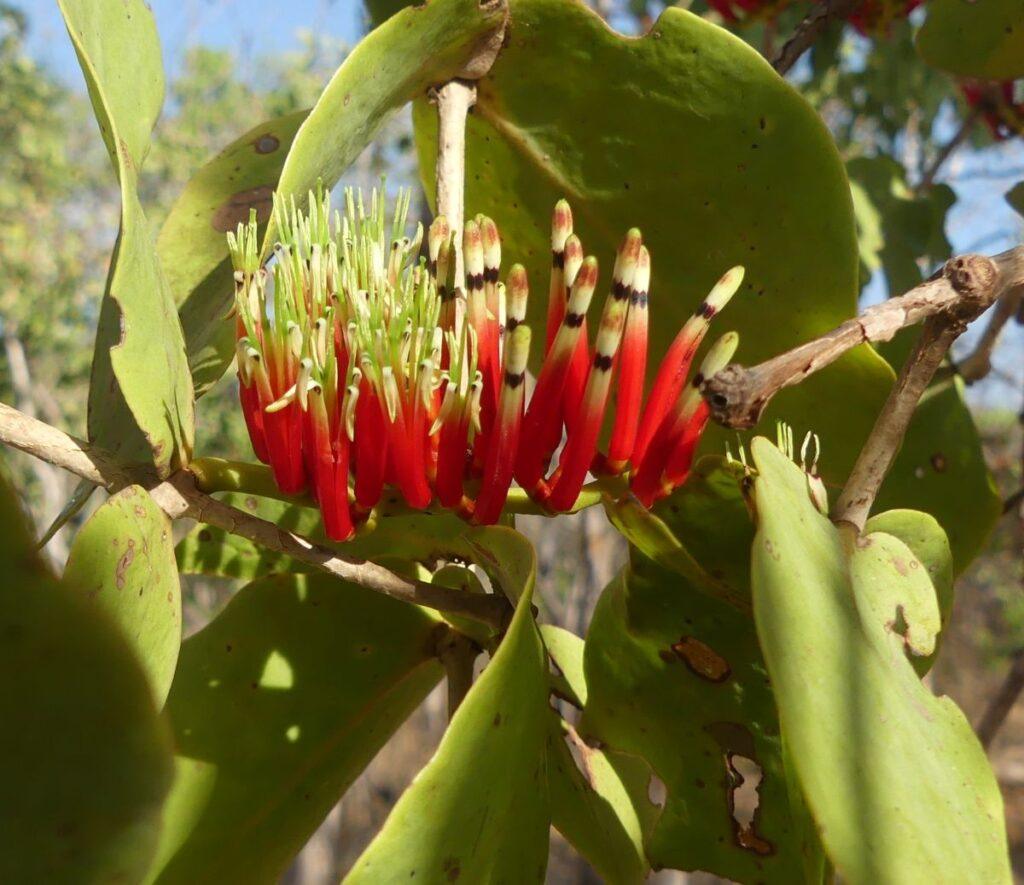
Fig 7. Mistletoe plant
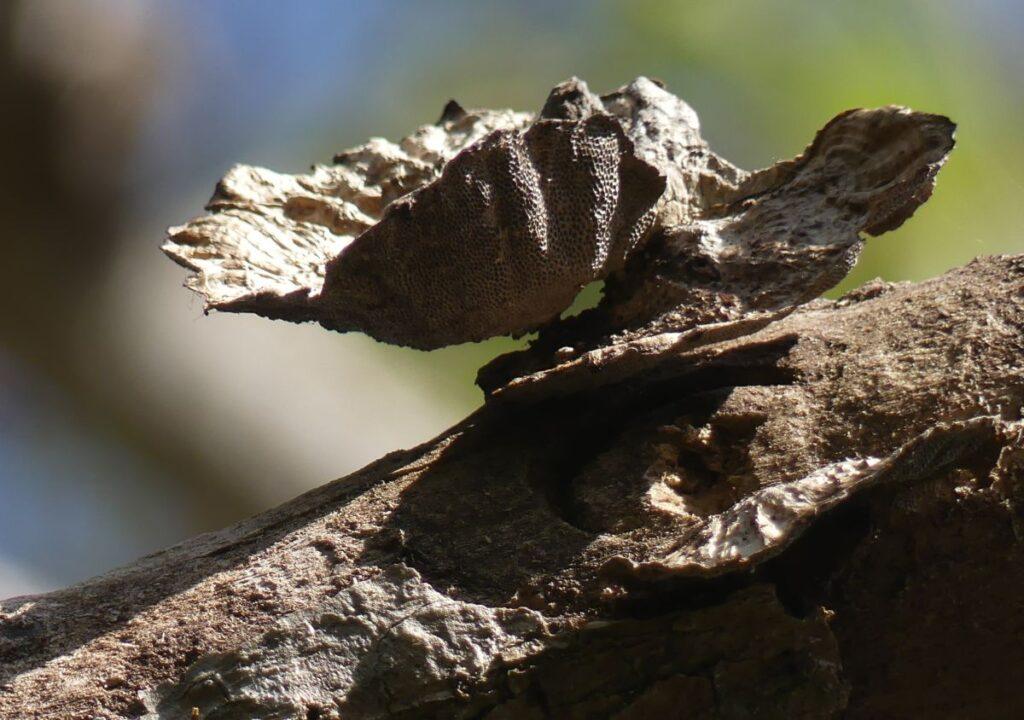
Fig 8. Fruit from fungi
Favourite food: dead organic matter
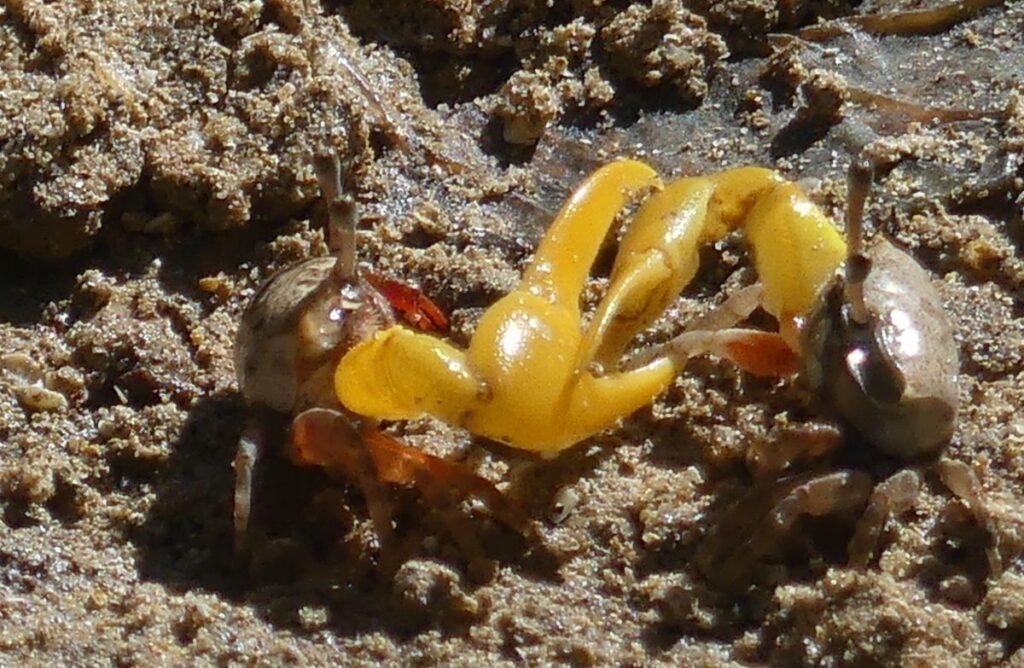
Fig 9. Fiddler Crabs fighting over territory – it usually involves lots of claw waving.
Favourite food: Detritus – a mix of algae, bacteria, decaying plant and animal material.
Wilderness Walks
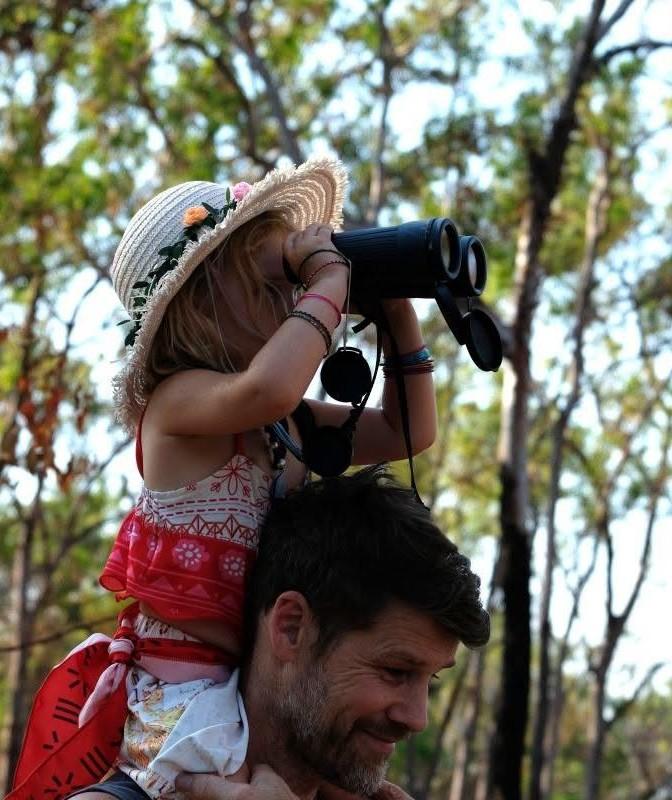
Fig 10. Birdwatching on a Wilderness Walk.
Wilderness Walks have been recording 30-46 bird species, refer ebird for latest sightings. Please check Friends of Lee Point Facebook for walk times.
Enjoy the dry season
Answer to Quiz
Warning colours—typically red, yellow, black, and white—signal to predators that an animal is unpalatable.
All seven Australian Jezebel butterfly (Delias spp.) species share this colour combination. These butterflies acquire their toxicity as caterpillars by feeding and storing toxins from host plants:
-
Mangrove Jezebel caterpillar feeds on Milky Mangrove leaves – sap from the leaves have been known to blind people.
-
The remaining six Jezebel caterpillar species feed on Mistletoe leaves.