Greetings,
This newsletter (No. 80) includes: AGM, Xmas Party, calendars, national heritage, disused defence land, quiz, plants-fungi-wildlife.
1.0 AGM and Xmas
REMINDER – AGM for Friends of Lee Point is being held 5.30pm Wed 25 Nov at ECNT community Space Nightcliff – Google Map
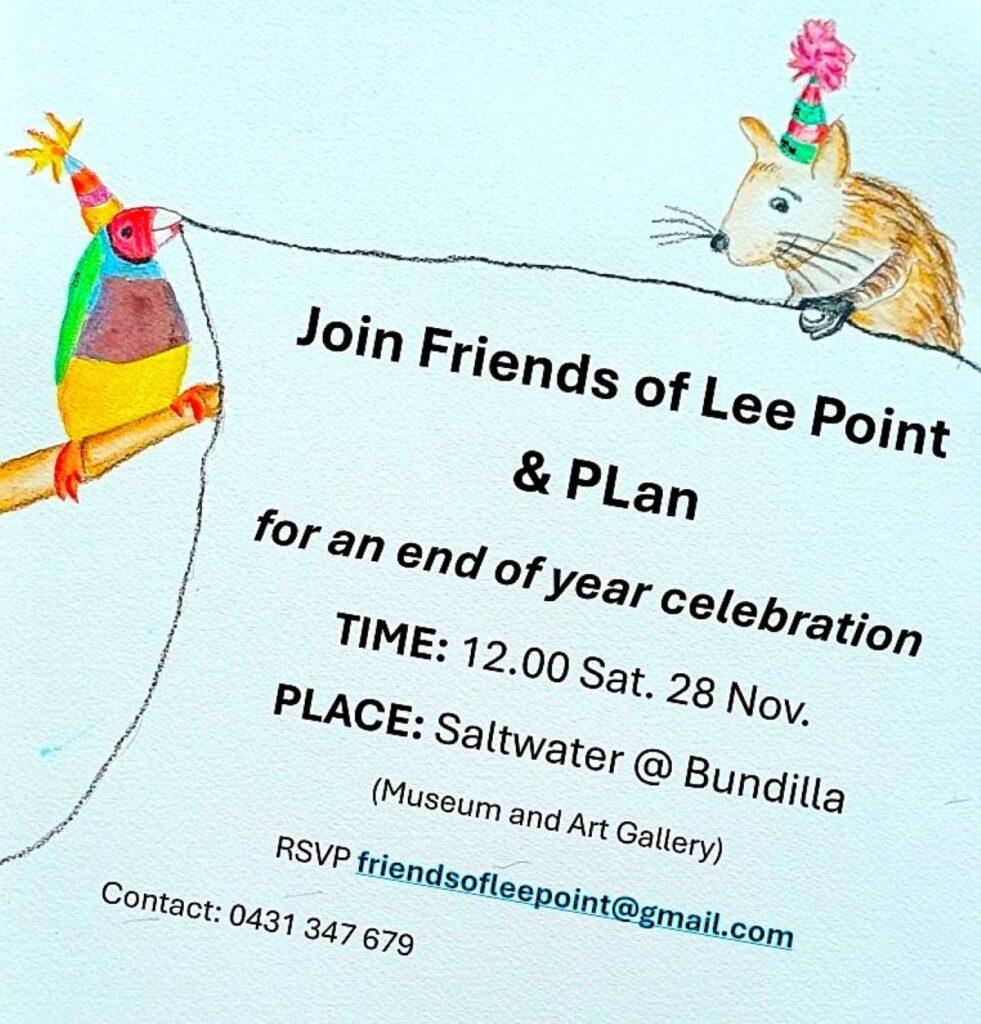
Fig 1. Xmas Party flyer
Hope to see you there – Google Map. Please RSVP friendsofleepoint@gmail.com as we need to book tables.
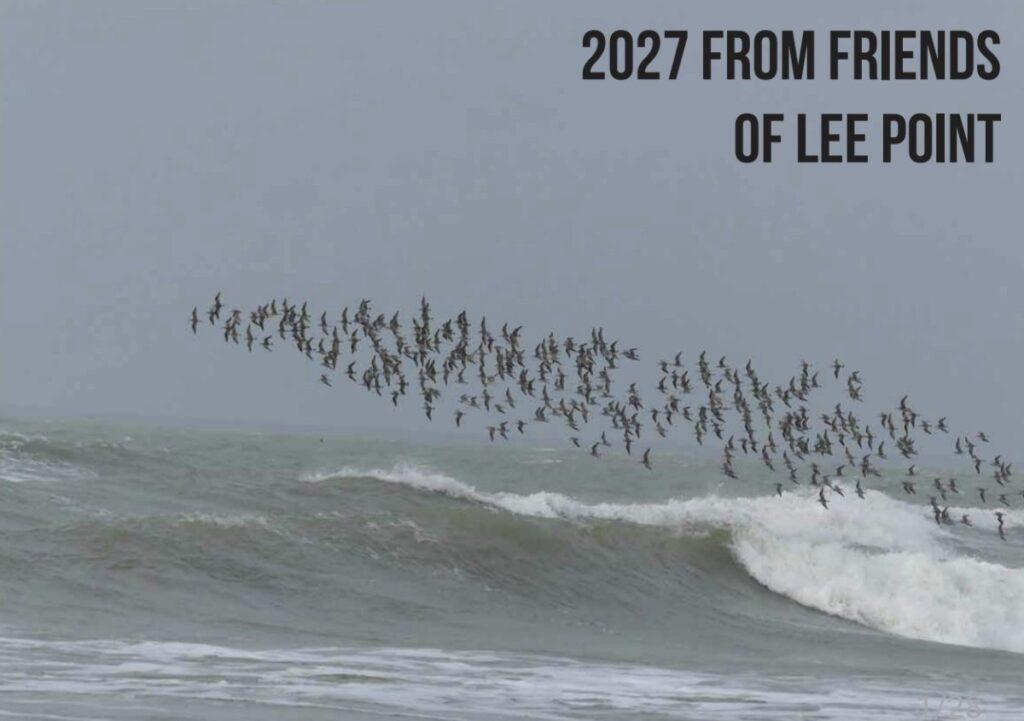
Fig 2. Front cover of 2027 Calendar.
The 2027 Friends of Lee Point Calendar makes a great Xmas present. Available at Sunday Nightcliff Markets for $15 or by POST.
2.0 Protect Lee Point

Fig 3. Larrakia custodians – Tibby Quall and Lorraine Williams at Binybara/Lee Point
Larrakia custodians, Tibby Quall and Lorraine Williams, have applied to the federal government to have Binybara/Lee Point peninsula listed for national heritage under the EPBC Act. They are strongly opposed to the federal government housing project at Lee Point…read more
Lee Point’s 2CRU offset has failed to protect the endangered Black-footed Tree-rat (BFTR): more large eucalypts (tree hollows) were cleared from 2CRU than exist in the entire 2CRU offset. Friends of Lee Point are now seeking the National EPA’s assessment details on the offset’s habitat quality.
3.0 Disused defence land – planning matters
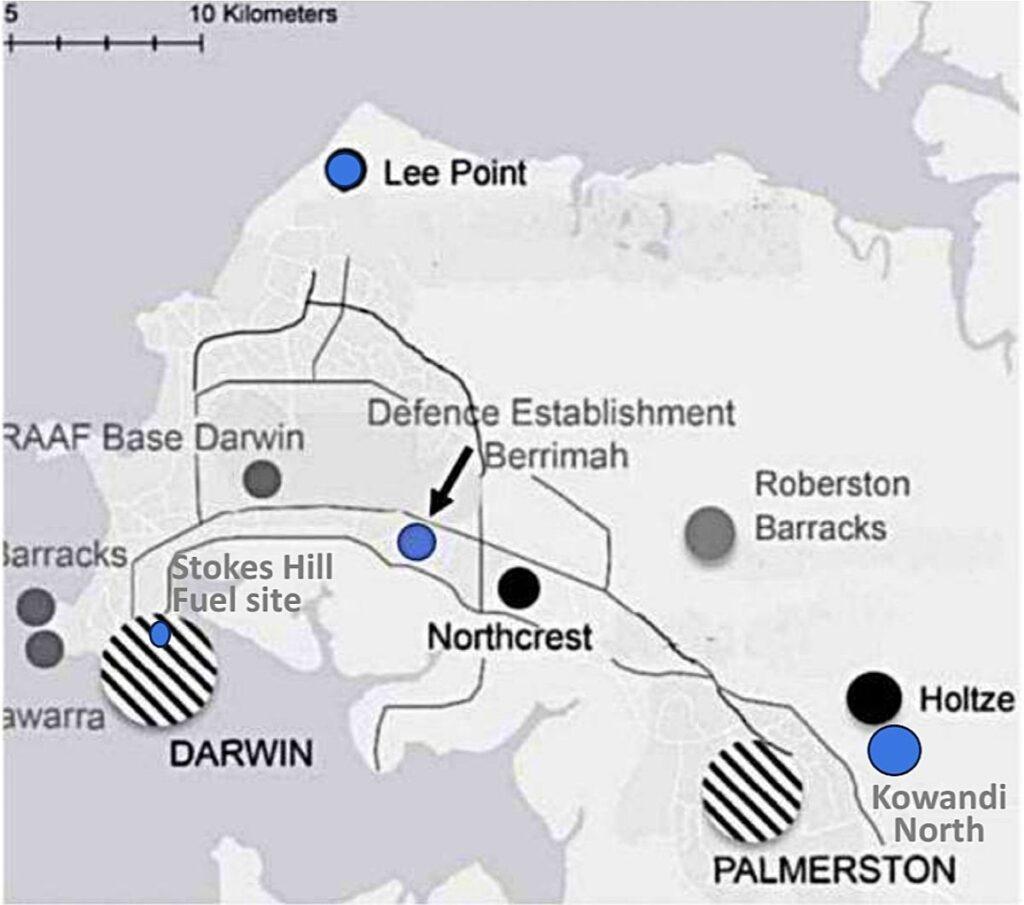
Fig 4. Disused defence sites are in blue, Roberston Barracks is the main defence base in Darwin.
Four disused defence sites in Darwin are to be sold off or transferred.
- Stokes Hill Fuel Installation (4 ha) – being transferred to Larrakia people…view more.
- Lee Point (132 ha) – DHA recently announced changes to its Lee Point master plan – FLP response is here.
- Defence Establishment Berrimah also called DEB (123 ha) – still under consideration by the federal government.
- Kowandi North (362 ha) – federal government is exploring divestment pathways to support more housing in Darwin.
Why Independent Planning Matters for Disused Defence Sites
As Darwin faces a housing affordability crisis, the contrast between independent oversight (via the NT Planning Commission) and developer-led planning couldn’t be starker. Consider the following comparison:
| Housing Project | Area Plan Created By | Approved | Lots completed Oct 2026 | Min. Cost of Lots |
| Lee Point | Developer | 2015 | 96 | $300k |
| Holtze | NT Planning Commission | 2024 | 131 | $190k |
The Lee Point Area Plan was created by the developer for the developer—a clear conflict of interest. Consequently, the project continues to produce high-cost lots while suffering ongoing delays from unresolved environmental and cultural concerns.
The Path Forward – To ease the housing crisis without repeating past mistakes, Darwin must prioritize independent planning and focus on superior, lower-cost defence sites intended for sale, such as Defence Establishment Berrimah (DEB) and Kowandi North. Furthermore, the Lee Point Area Plan must be overhauled to reflect genuine community needs.
Independent planning is essential, and the time to act is now.
(For comparative lot costs, explore Alternative sites for defence housing overview).
Senate Inquiries
Defence Estate Assets – Problems with community consultation and other matters by defence has triggered a Senate Inquiry into the sell off of disused defence land. PLan has been trying to bring the Senate Inquiry to Darwin so planning matters around the disused defence sites can be better reviewed. A Senate committee report is due Feb 2027.
Lee Point housing project – City of Darwin has sent a letter to Federal Ministers requesting a Senate inquiry into the Lee Point housing project …read more.
Sign the SENATE PETITION to help make this happen.
4.0 Quiz
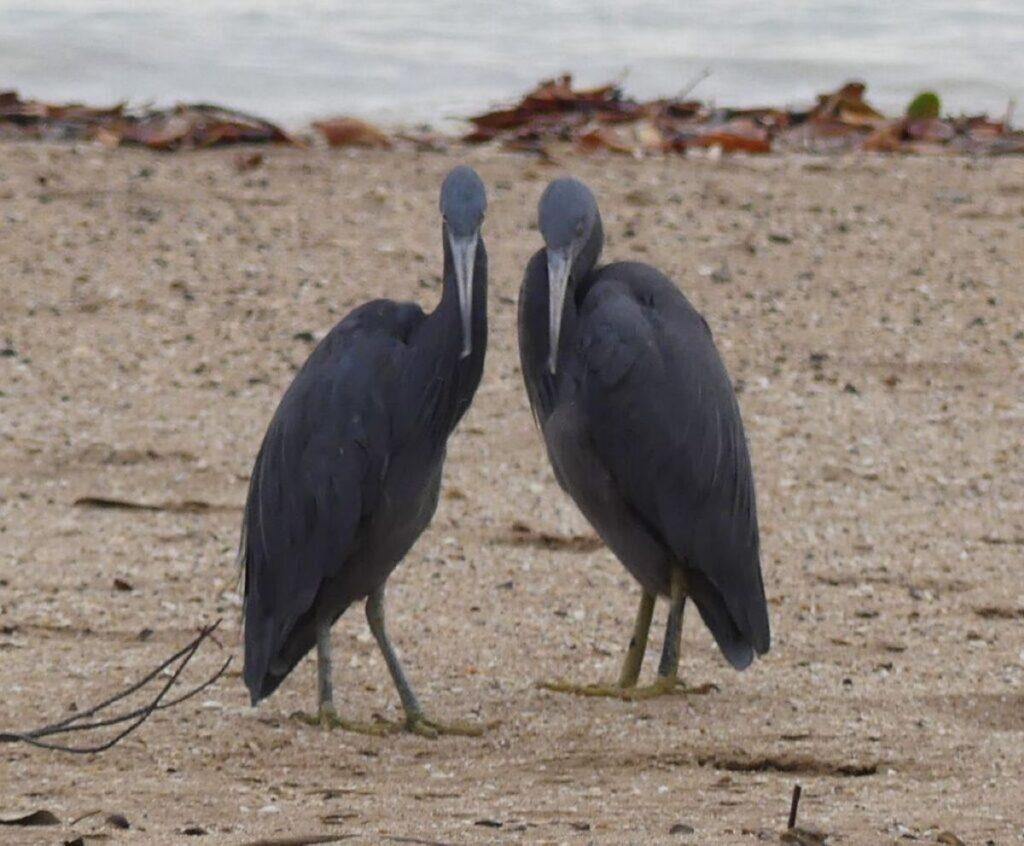
Fig 5. Reef Herons on Lee Point beach
What is the difference between a:
- heron and egret
- pigeon and dove
5.0 Plants-fungi-wildlife
Images from Lee Point Nov 2026 unless noted otherwise.
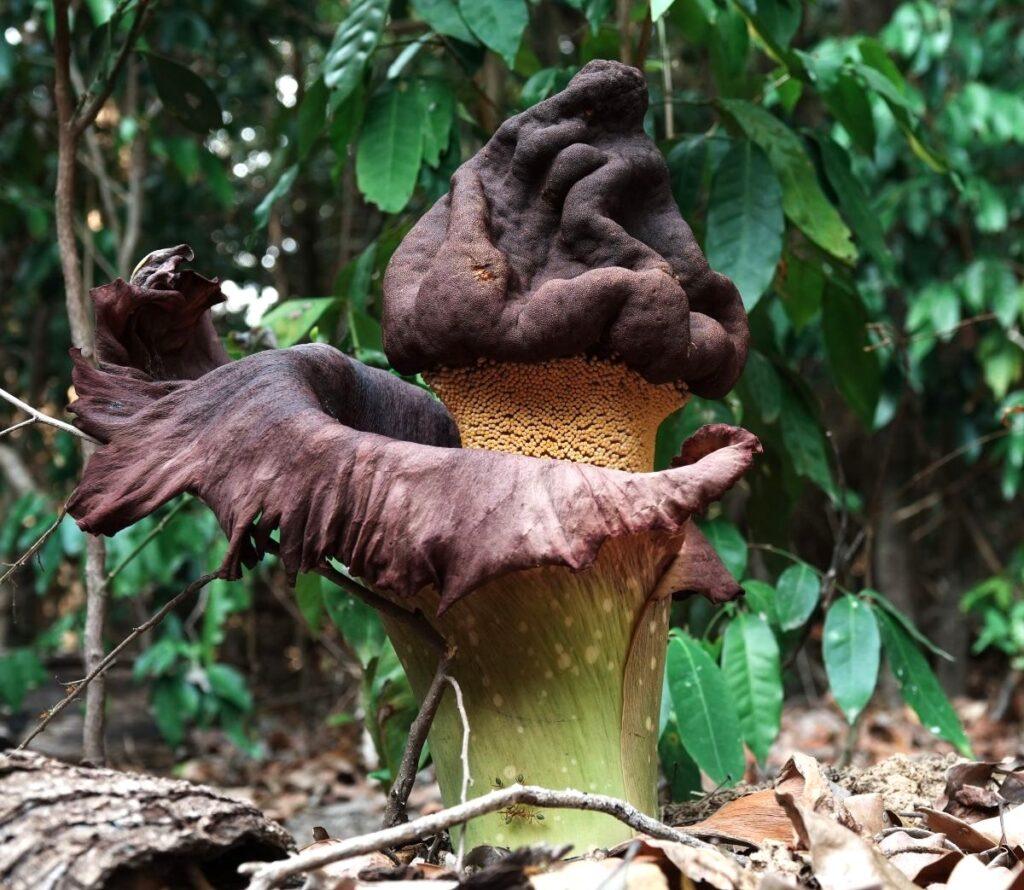
Fig 6. Elephant Foot Yam flower (Amorphophallus paeoniifolius) in monsoon rainforest.
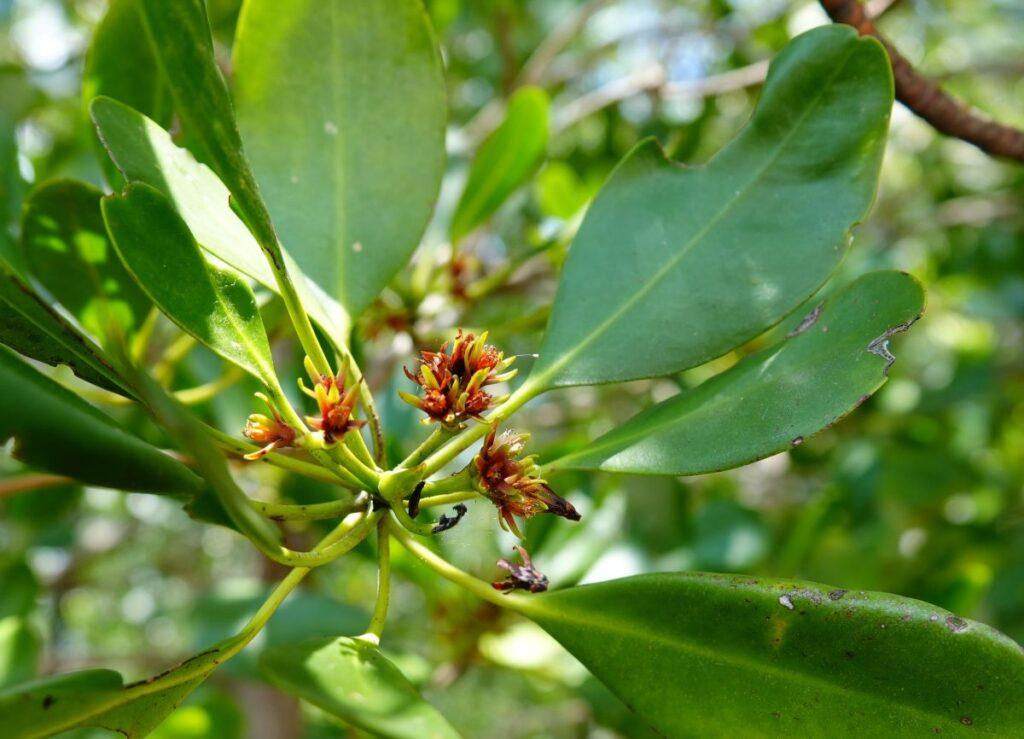
Fig 7. Flowering mangrove (Ceriops sp).
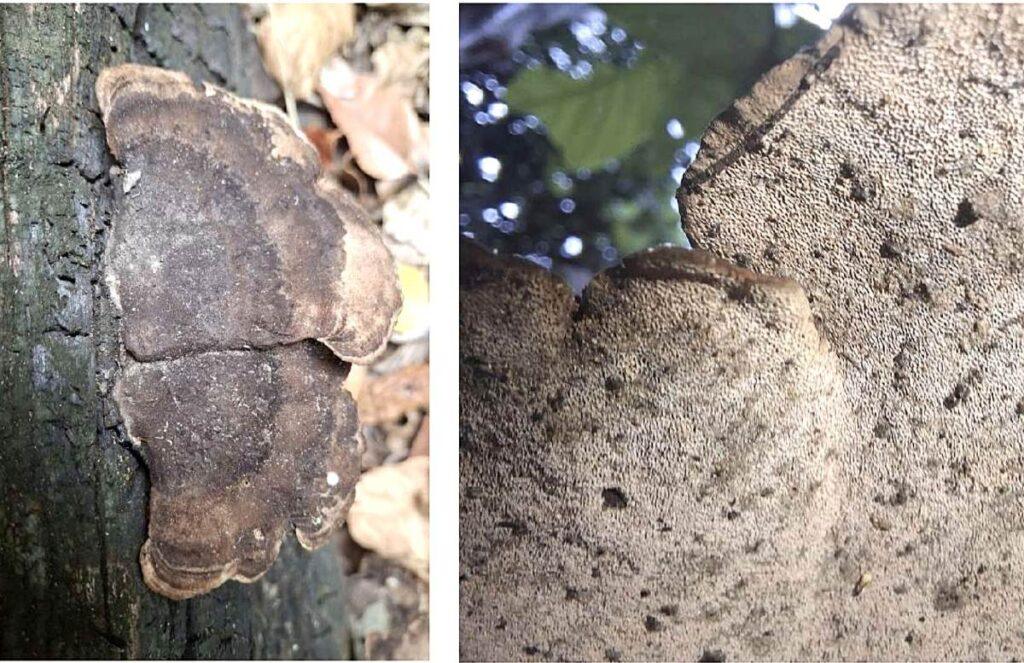
Fig 8. Fruit from fungi – woody pore
Favourite food: dead organic matter
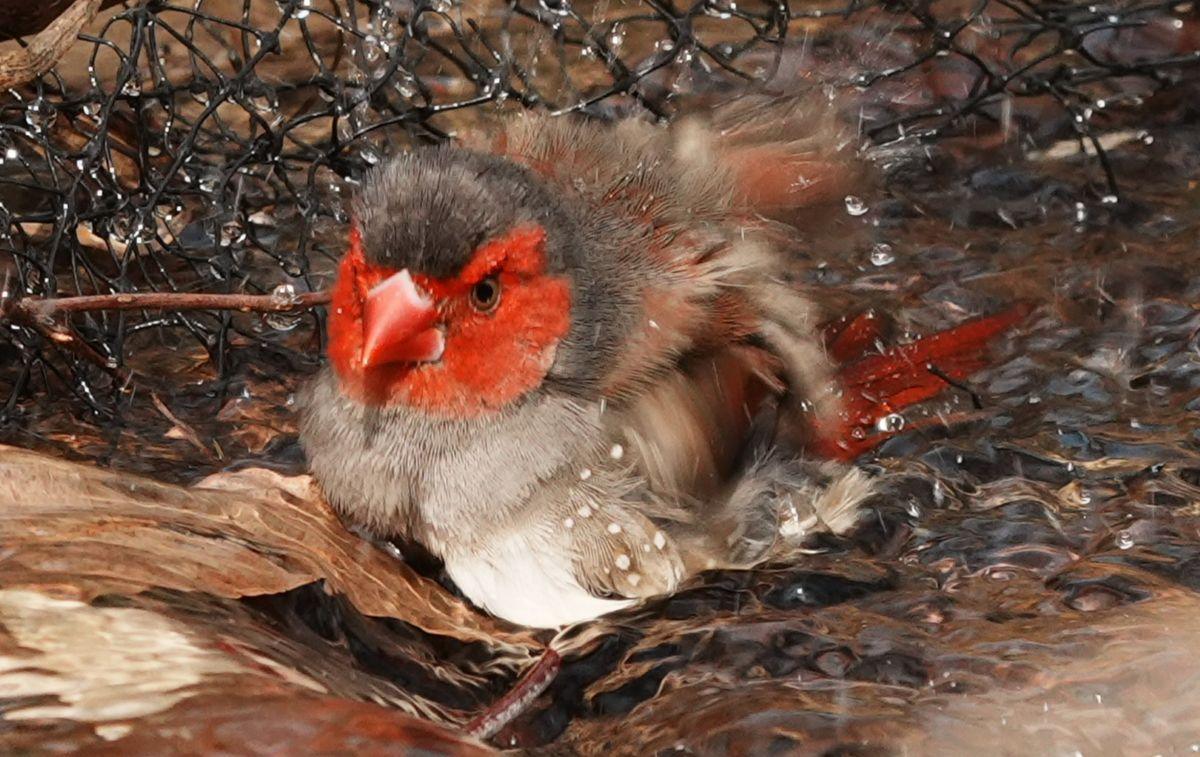
Fig 9. Crimson Finch enjoying a bath in CCR
Favourite food: grass seeds
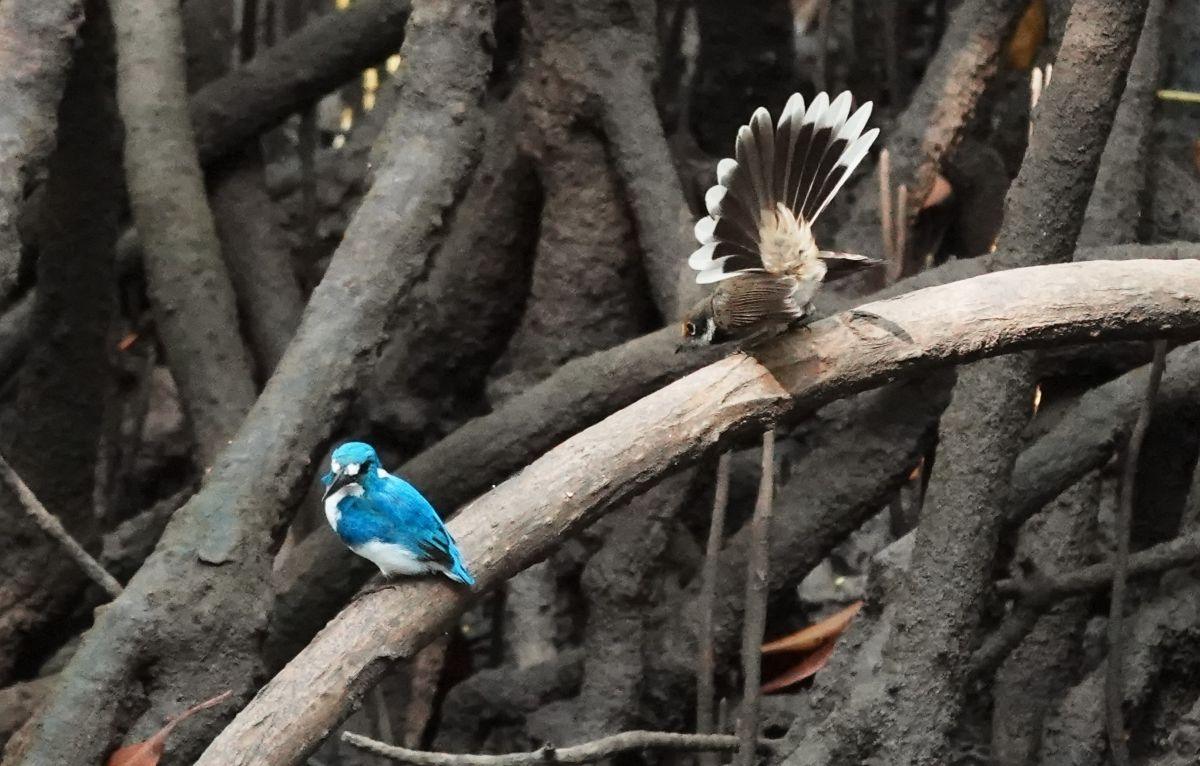
Fig 10. Little Kingfisher and Arafura Fantail in the mangroves.
Favourite food: Little Kingfisher – small fish and crustaceans, Arafura Fantail – insects
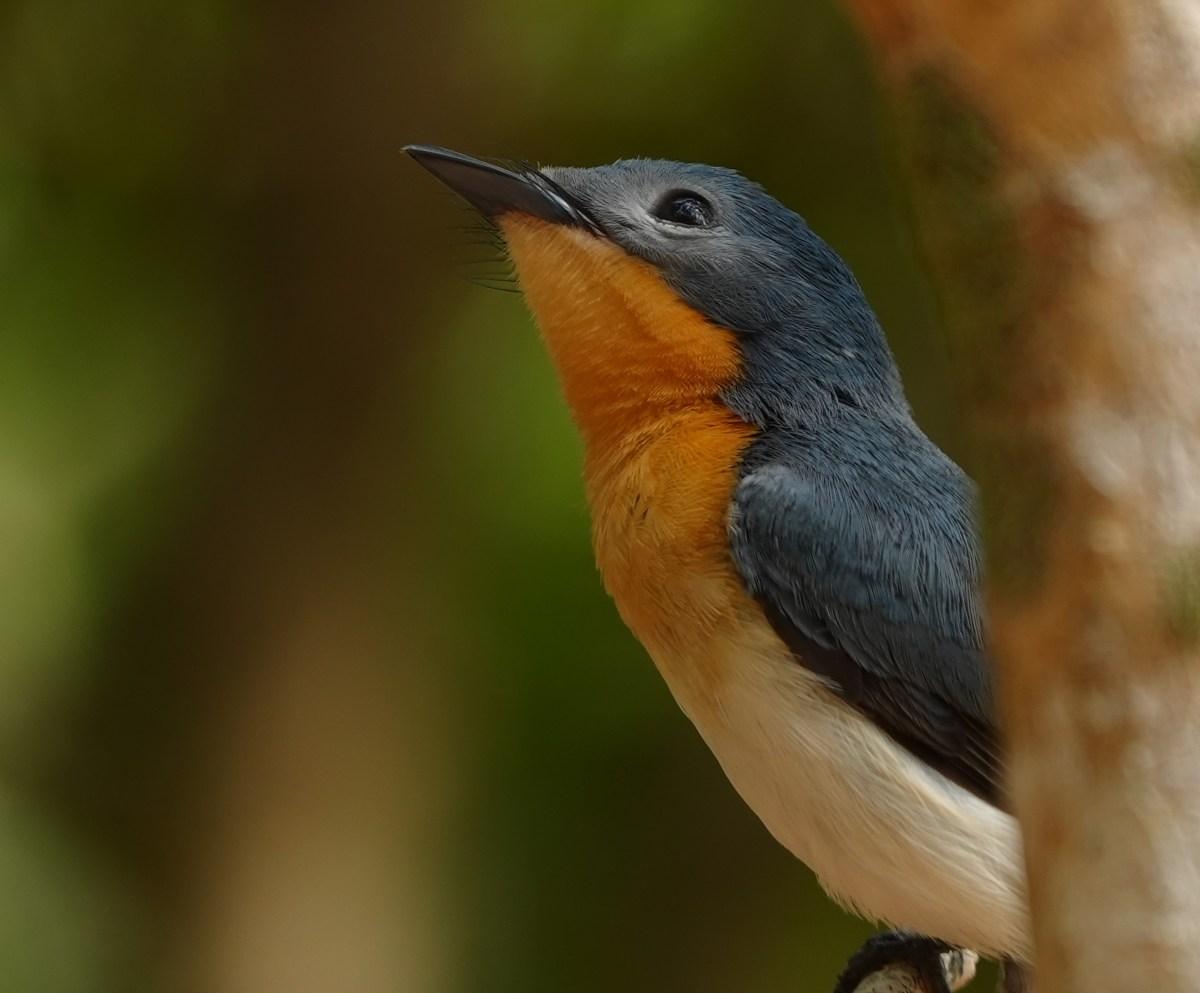
Fig 11. Broad-billed Flycatcher in the mangroves.
Favourite food: insects
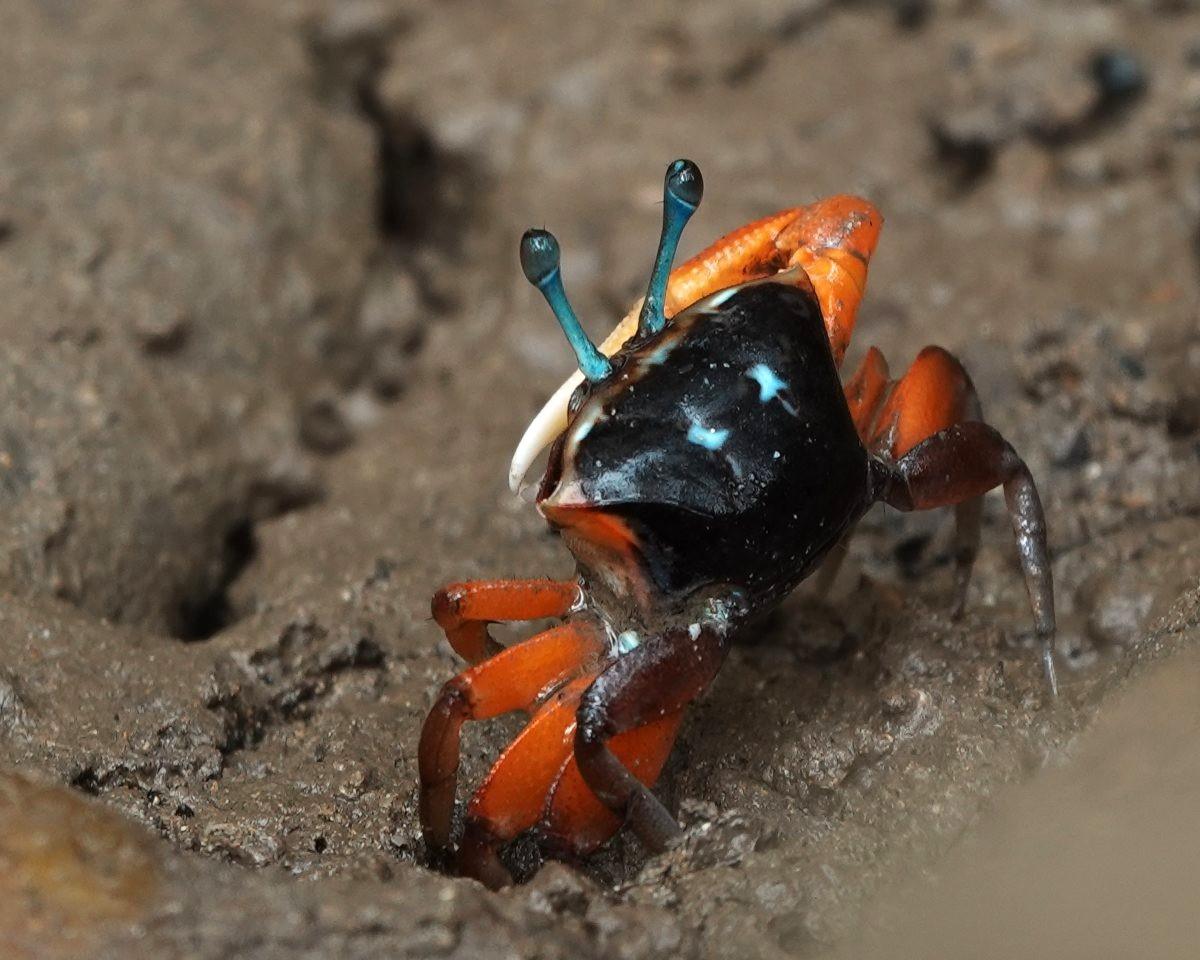
Fig 12. Fiddler Crab in the mangroves.
Favourite food: algae, microbes and fungi
Wilderness Walks
Wilderness Walks have been recording 30-50 bird species, refer ebird for latest sightings. Please check Friends of Lee Point Facebook for walk times.
Things to watch out for the rest of year
Salt Marsh mosquitos – they peak in Nov and Dec, see Biting insect calendars
Fire – if you see a fire at Lee Point it is probably arson, call 000 immediately, time is critical in dealing with fires.
Enjoy the drama of build-up storms
Answer to Quiz
There really isn’t any difference.
Herons vs egrets – All egrets are technically herons, as both belong to the same family. The difference is informal and mainly based on appearance.
Pigeons vs doves – Both belong to the same family – Birdlife Australia explains.
Favourite food: dead organic matter.
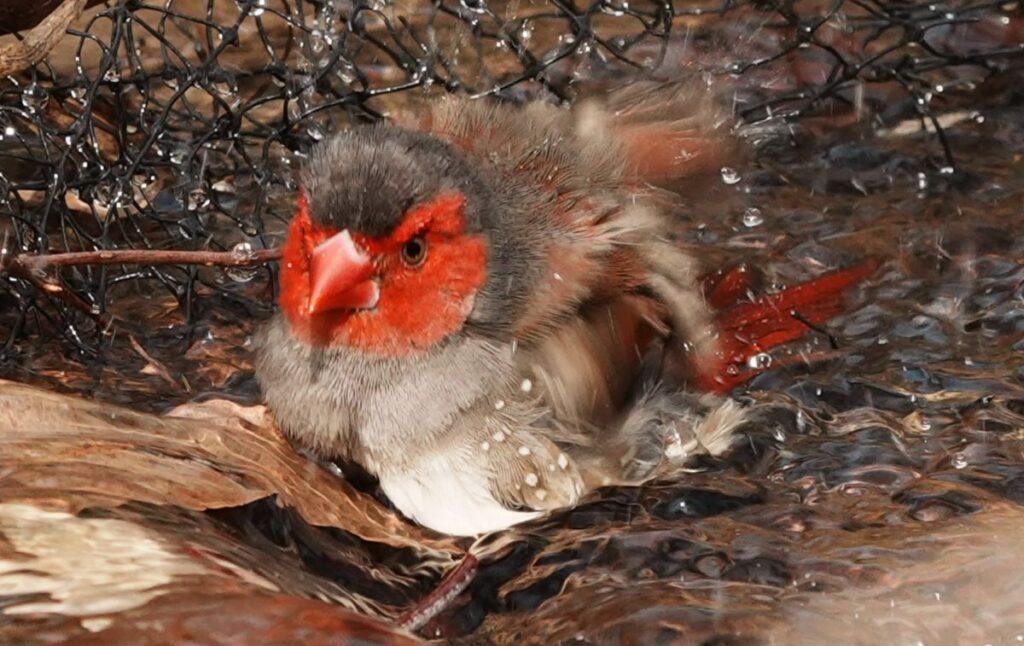
Fig 9. Crimson Finch enjoying a bath in CCR
Favourite food: grass seeds
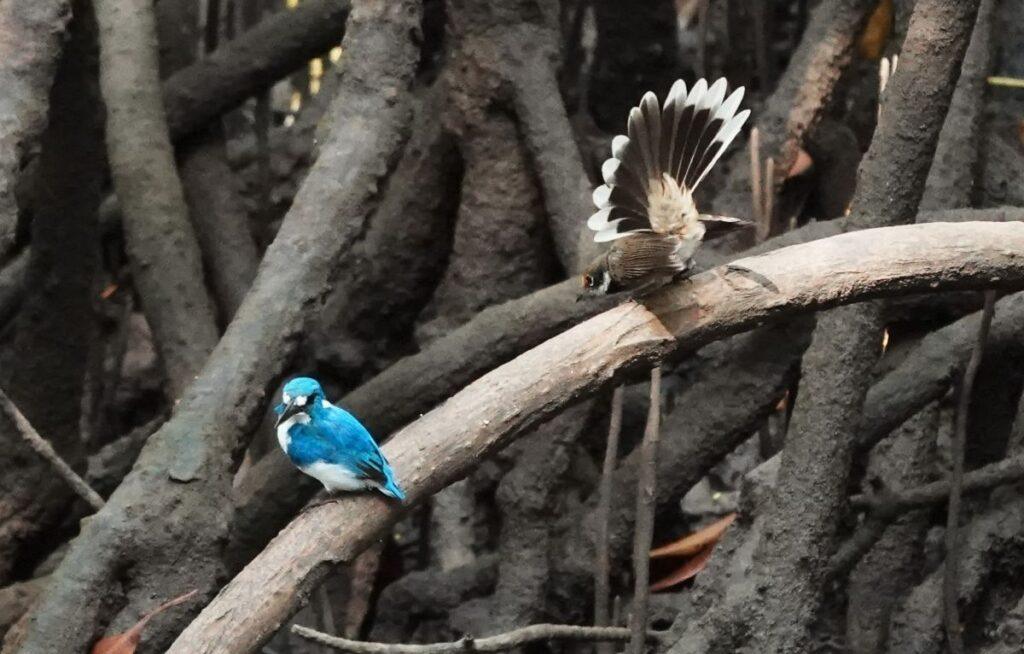
Fig 10. Little Kingfisher and Arafura Fantail in the mangroves.
Favourite food: Little Kingfisher – small fish and crustaceans, Arafura Fantail – insects
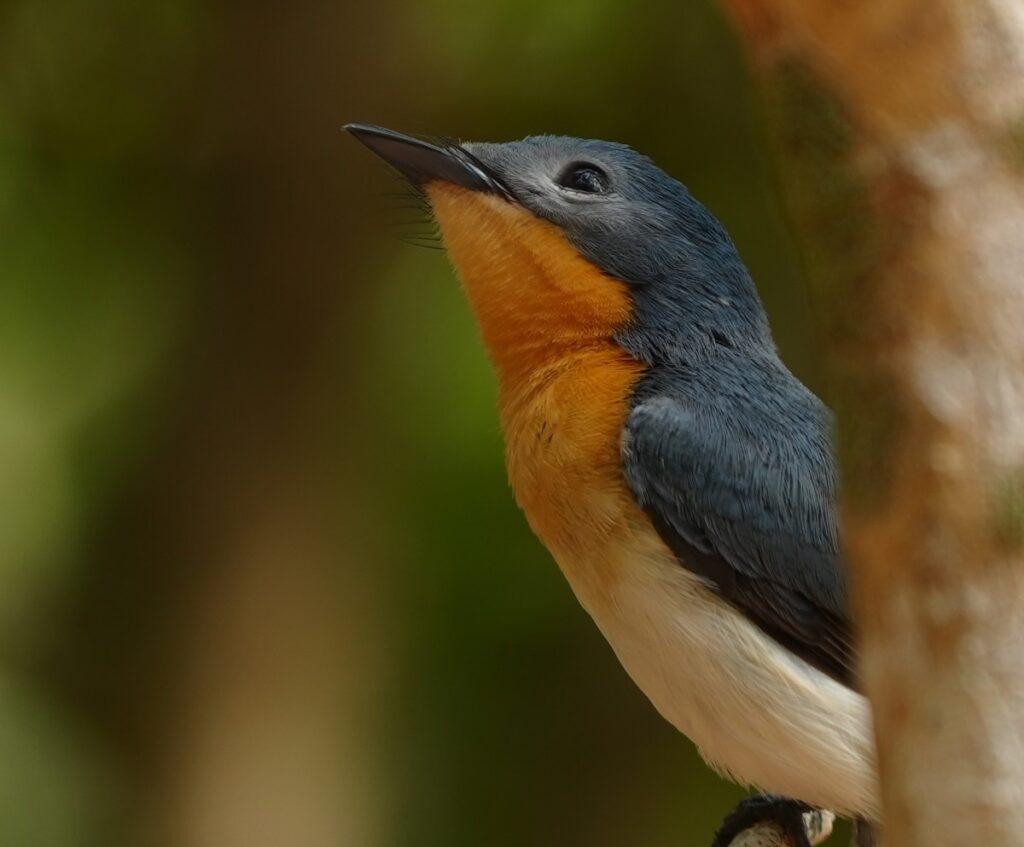
Fig 11. Broad-billed Flycatcher in the mangroves.
Favourite food: insects
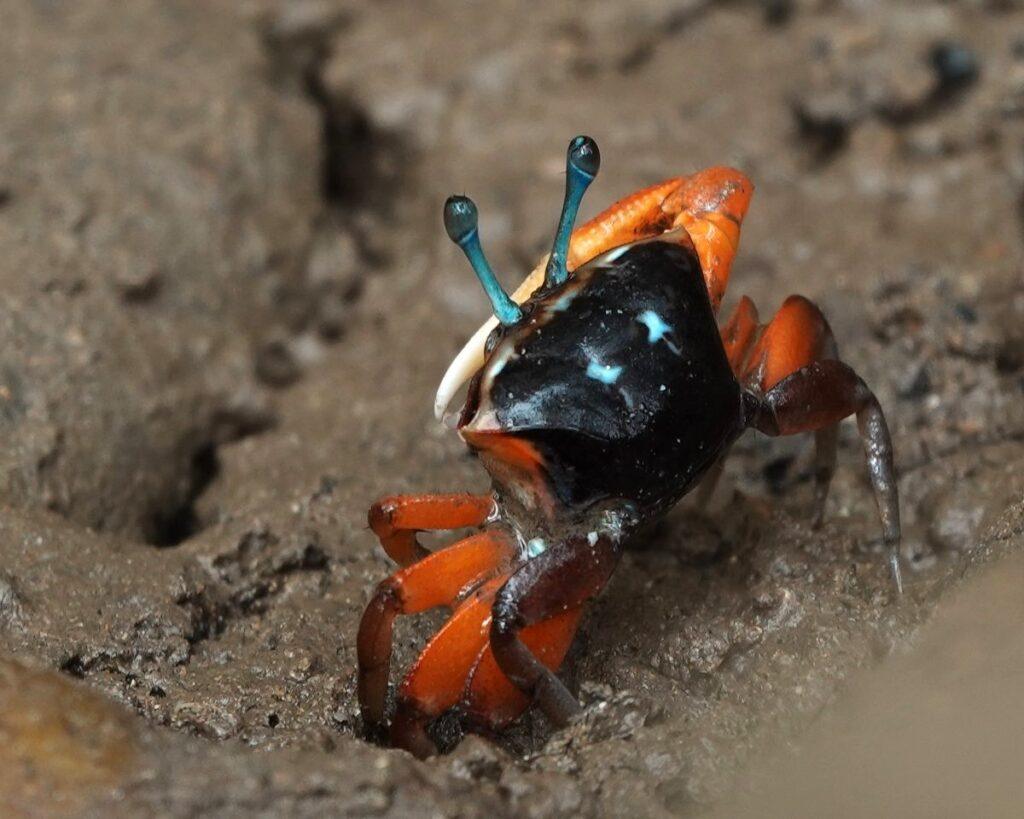
Fig 12. Fiddler Crab in the mangroves.
Favourite food: algae, microbes and fungi
Wilderness Walks
Wilderness Walks have been recording 30-50 bird species, refer ebird for latest sightings. Please check Friends of Lee Point Facebook for walk times.
Things to watch out for the rest of year
Salt Marsh mosquitos – they peak in Nov and Dec, see Biting insect calendars
Fire – if you see a fire at Lee Point it is probably arson, call 000 immediately, time is critical in dealing with fires.
Enjoy the drama of build-up storms
Answer to Quiz
There really isn’t any difference.
Herons vs egrets – All egrets are technically herons, as both belong to the same family. The difference is informal and mainly based on appearance.
Pigeons vs doves – Both belong to the same family – Birdlife Australia explains.