Greetings,
This monthly newsletter (No. 65) includes: farewell shorebirds, Territory Labors position on Lee Point, petition, wildlife in suburbs, quiz, plants and wildlife.
1.0 Farewell Shorebirds
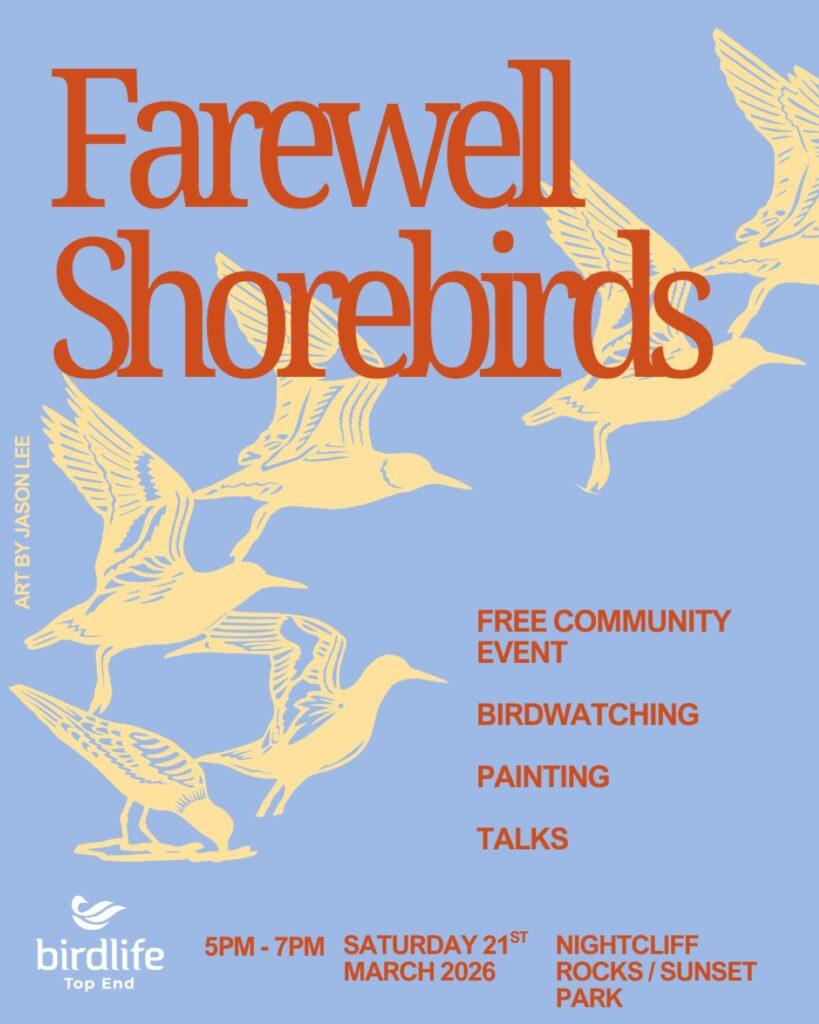
Fig 1. Farewell Shorebirds event 5pm Saturday 21 March
Migratory shorebirds leave Lee Point in Mar/Apr for places like Siberia to breed and return in Aug/Sept. ABC Darwin explains why they are under threat.
2.0 Government updates
Australian Government
Lee Point site remains unjustified – Larrakia leaders, ecological experts, environmental organisations and the wider Darwin community have consistently called for this project to be relocated to a suitable site.
The only report available (on other sites) is a draft report summary by (8) Darwin community groups. In this report, the Lee Point site rated poorly on all aspects compared to two alternative housing sites located much closer to the main defence base. The (unabridged) draft report was sent to government last year for comment.
Relocating and rescoping the Lee Point defence housing project also explains why Lee Point is a poor option.
NT Government

Fig 2. Nightcliff By-election candidate Forum 22 Feb 2026 – organiser Nick Kirlew (PLan), Ed Smelt (Labor), Phil Scott (Independent), Elly-Ann Wall (for Greens candidate Suki Dorras-Walker)
Territory Labor now supports a new Area Plan for Lee Point – The policy change came during the Mar 2026 Nightcliff By-election in which all candidates supported the moratorium, except CLP – refer Nightcliff By-election survey. Mr Ed Smelt from Territory Labor was elected. More from the ABC.
Fixing the Lee Point Area Plan – In late 2015, the NT Government made some poor decisions by:
- selling Darwin Port to foreign interests
- approving the Lee Point Area Plan (created by a developer)
A year later, that government suffered the worst defeat of a sitting government in the Territory’s history, leaving others to sort out the mess.
- Darwin Port needs to be Australian owned – steps are being taken to rectify this.
- Lee Point needs an Area Plan that is supported by the community
Fixing the Lee Point Area Plan involves the NT Government placing a moratorium on the current DHA Lee Point subdivision works and getting the (independent) NT Planning Commission to create a new Area Plan for the whole of Lee Point*.
*Many housing lots are available closer to the defence bases. There is no immediate need to provide housing lots at Lee Point.
Local Government – City of Darwin
A petition signed by ~1200 people was handed to Councillor Julie Fraser to table at the next council meeting. The petition, organised by FLP and PLan, calls on council not to accept further subdivisions at Lee Point.
3.0 Wildlife in the suburbs
Darwin has been called the “City of Birds” due its abundance of bird species.
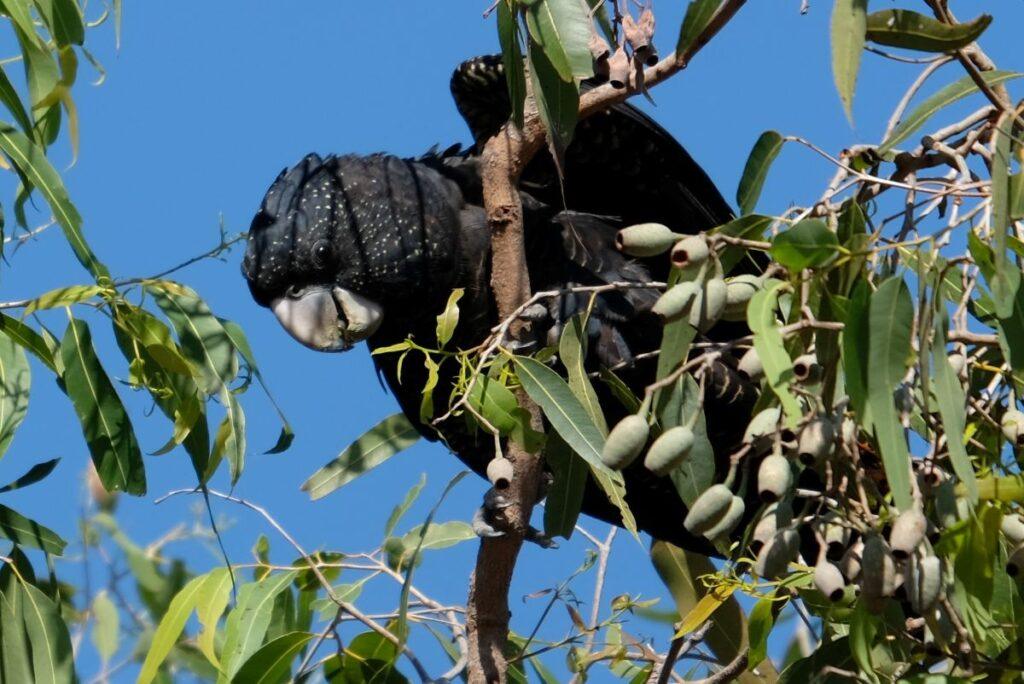
Fig 3. Red-tailed Black Cuckatoo – Aug 2023
Favourite Food: Eucalypus seeds
Red-tailed Black Cuckatoos typically breed in the tree hollows of old (100 years plus) large eucalypt trees, normally found in intact savanna habitat.
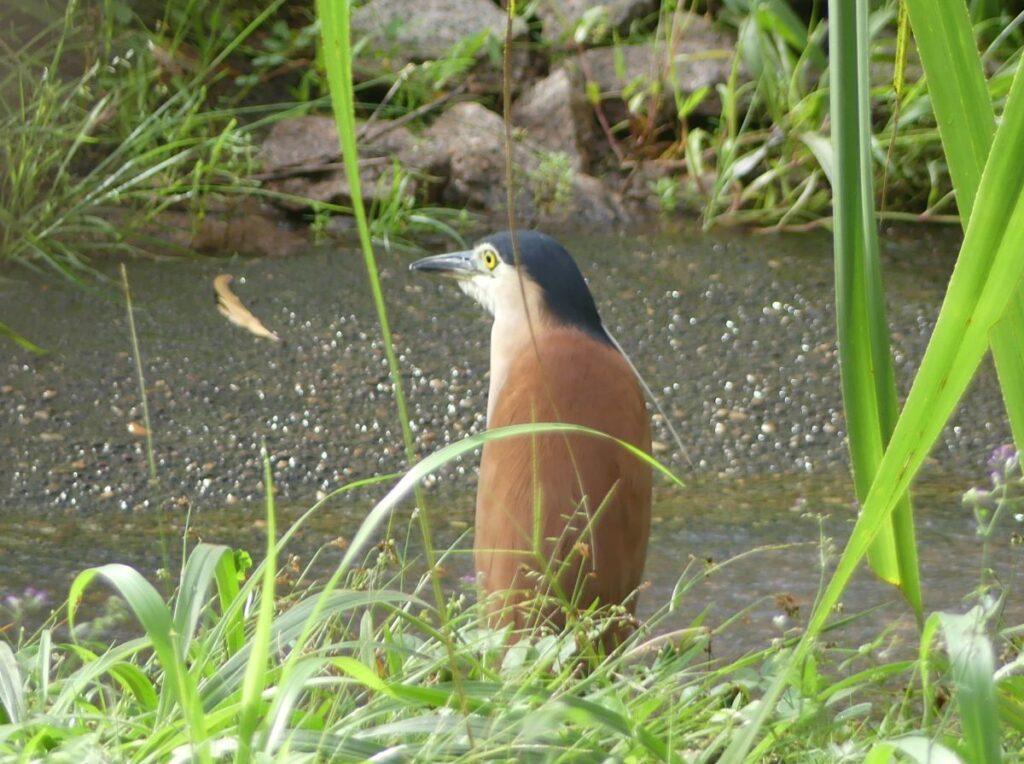
Fig 4. Nankeen Night Heron at a suburban drain in Lyons – Mar 2026
Favourite Food: Fish
In the Top End, Nankeen Night Herons typically breed in mangrove areas using trees above the water to make their nest.
The majority of birds in Darwin need to spend some time in their native habitat.
4.0 Quiz
What shorebird is commonly seen in Darwin suburbs? Answer at the end.
5.0 Plants and Wildlife
Images from Lee Point in Feb-Mar 2026.
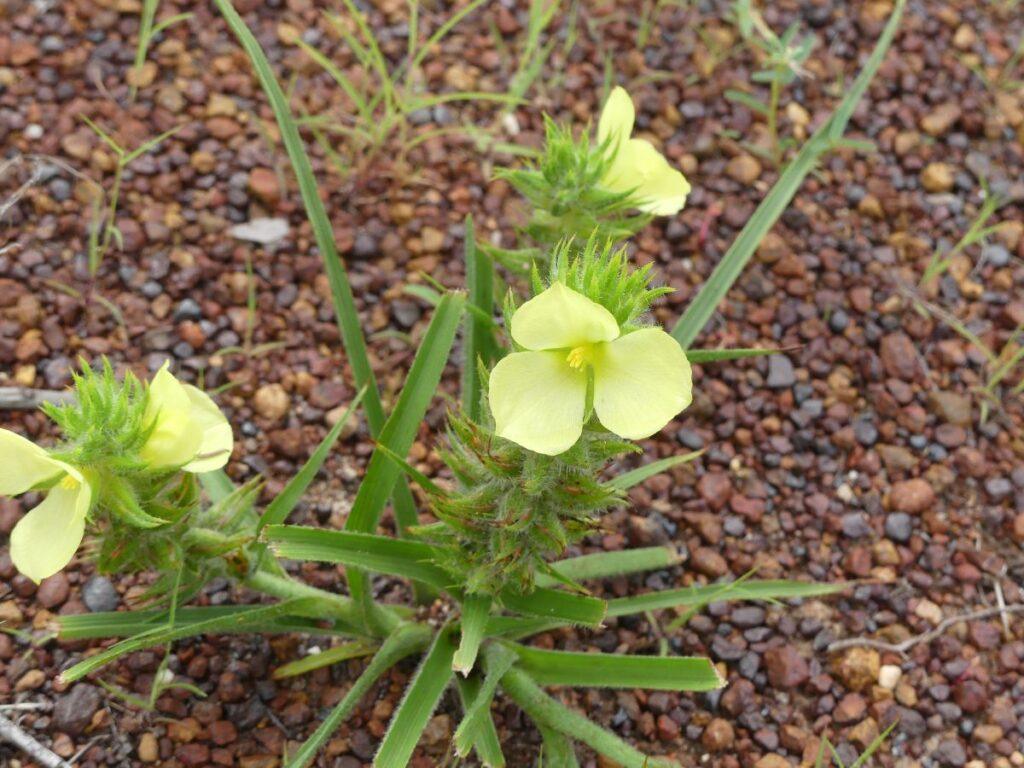
Fig 5. Cartonema spp
This plant occurs in the wet season on well drained gravelly soils.
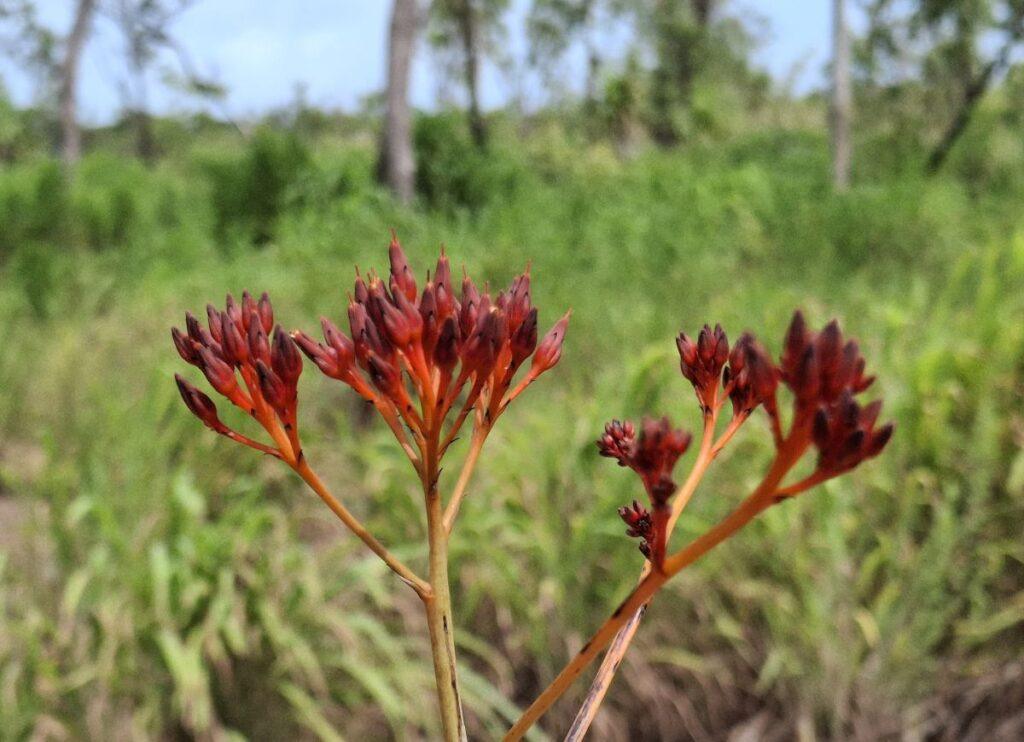
Fig 6. Scarlet Bloodroot
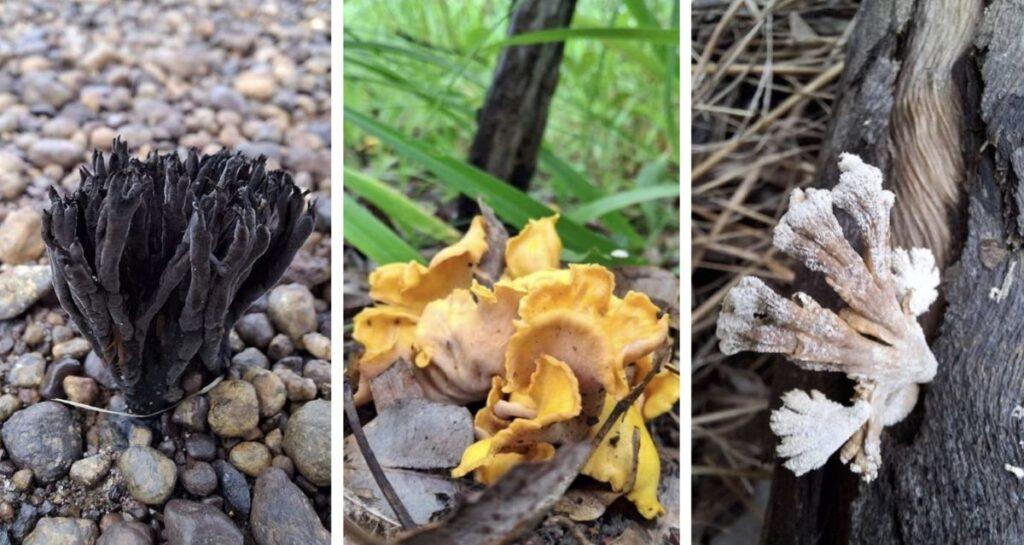
Fig 7. Fruit of different fungi.
Favourite Food: Dead organic matter
Fungi is the great recycler of dead organic matter. Forests would not exist without fungi, nor would bread and beer.
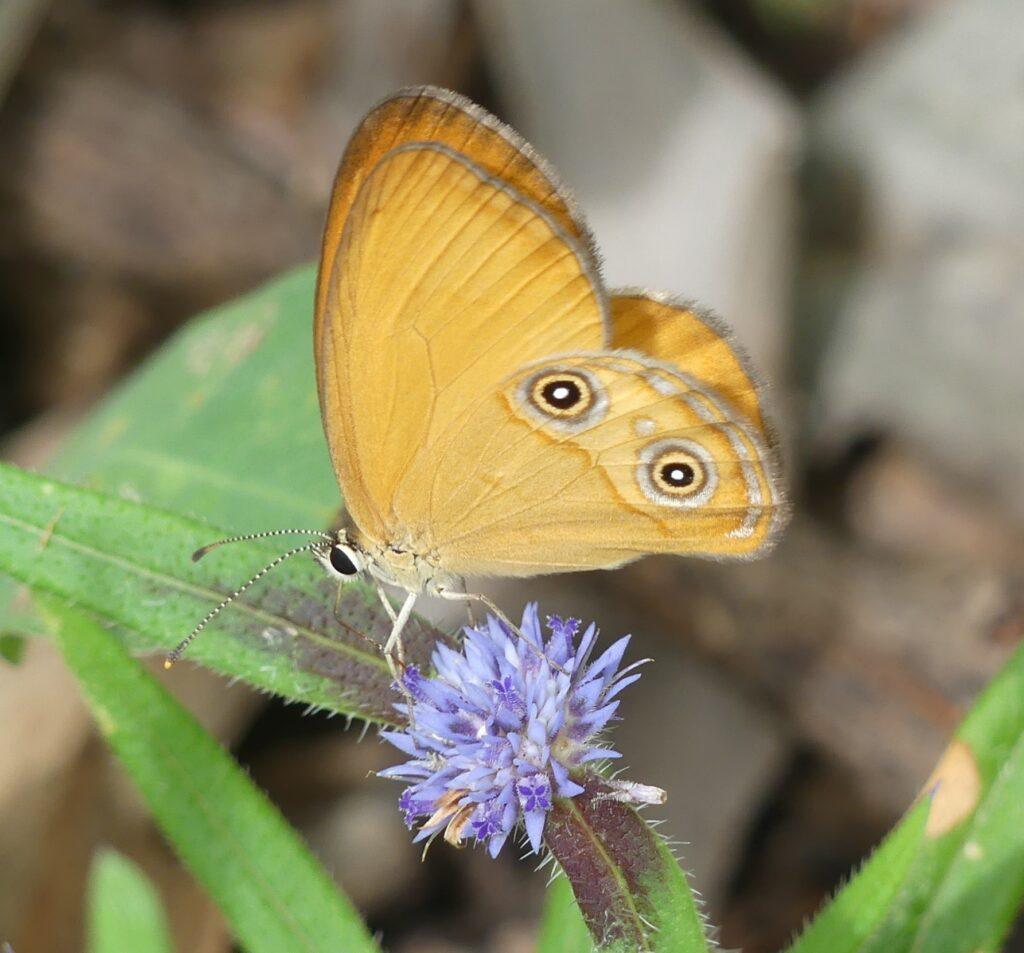
Fig 8. Orange Ringlet Butterfly on a Spermacoce spp
Favourite Food: Nectar
Spermacoce (or False Buttonwood) is common this time of year.
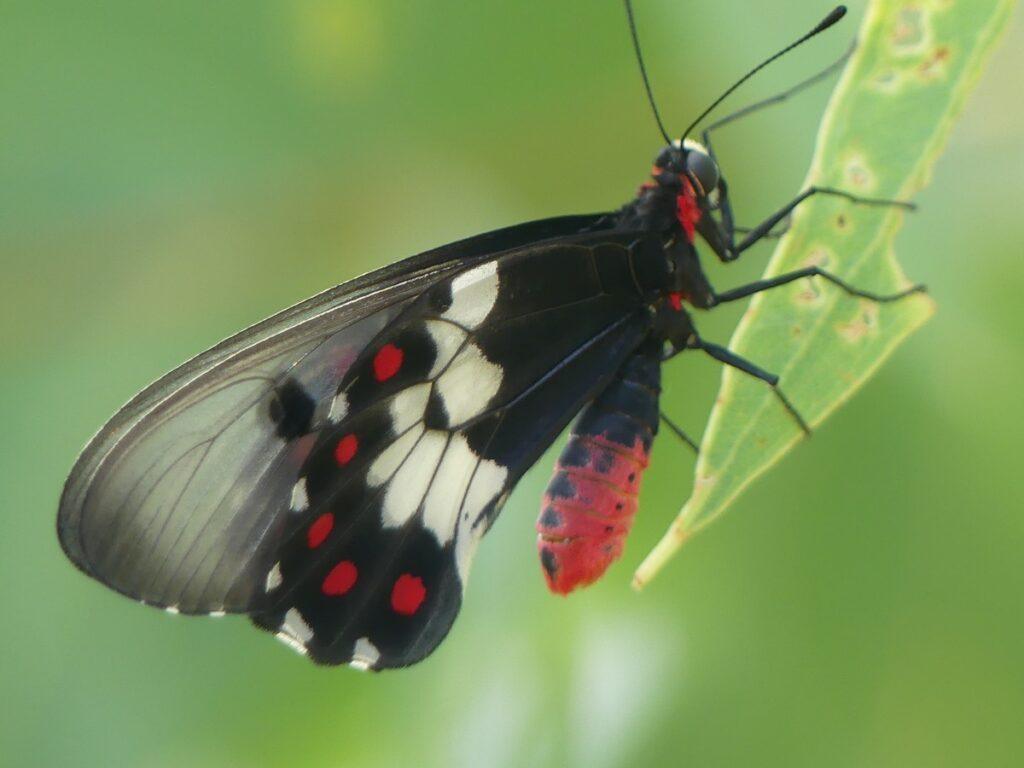
Fig 9. Clearwing Swallowtail Butterfly
Favourite Food: Nectar
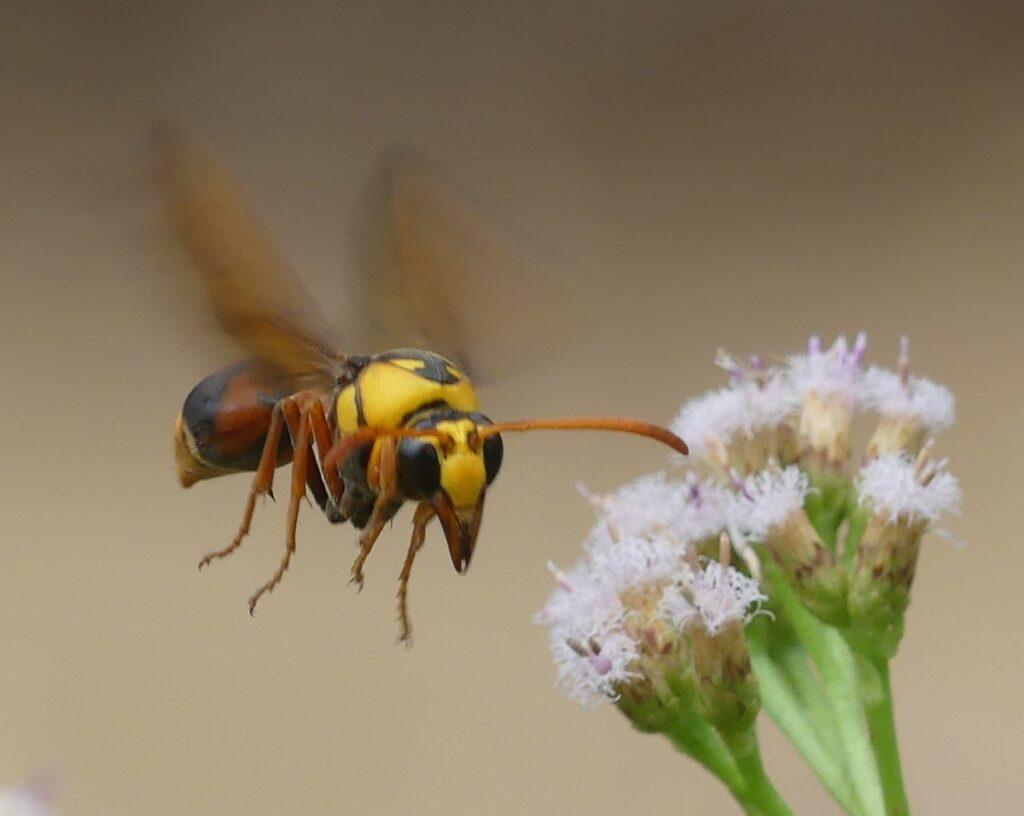
Fig 10. Australian Hornet (a native Potter Wasp)
Favourite Food: Nectar
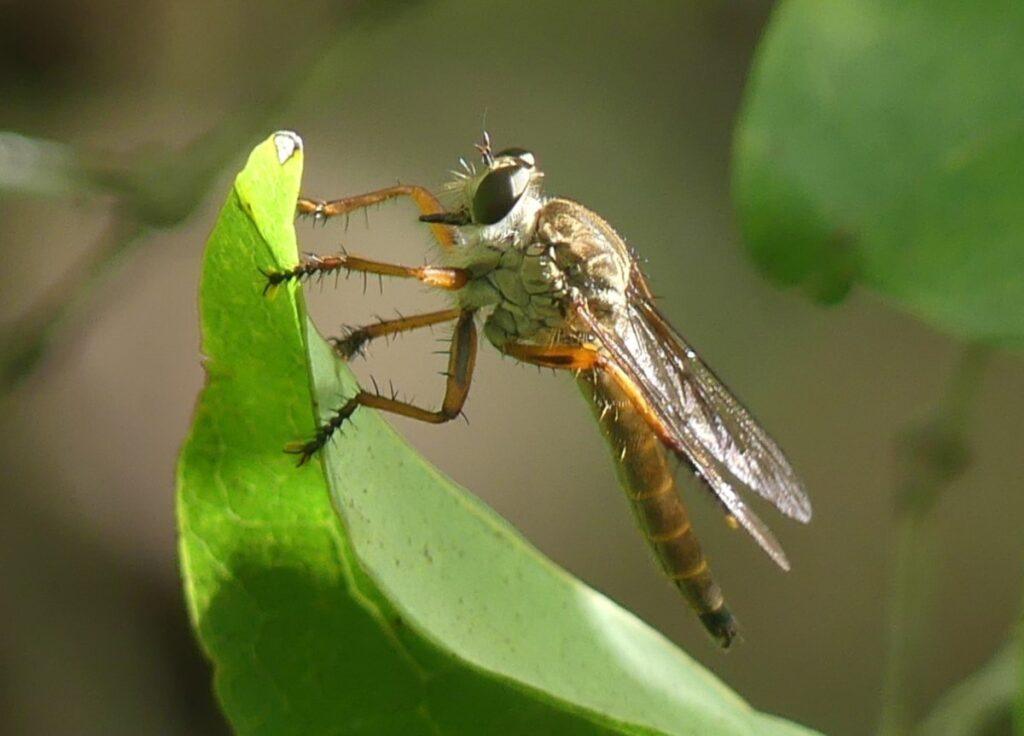
Fig 11. Robber Fly or Assassin Fly
Favourite Food: Insects
These venomous insects are expert predators, waiting in ambush to catch their prey in flight. They can deliver a painful bite to humans if handled carelessly.
Wilderness Walks
Wilderness Walks have been recording between 25-45 bird species, refer ebird for latest sightings. Walks generally start at 4.30pm, please check Friends of Lee Point Facebook for details.
All the best for the Wet Season
Answers to Quiz
Ans: Masked Lapwing
Masked Lapwings are described as shorebirds because they use beaches, mudflats, wetlands and open areas near water – this attracts them to residential areas.
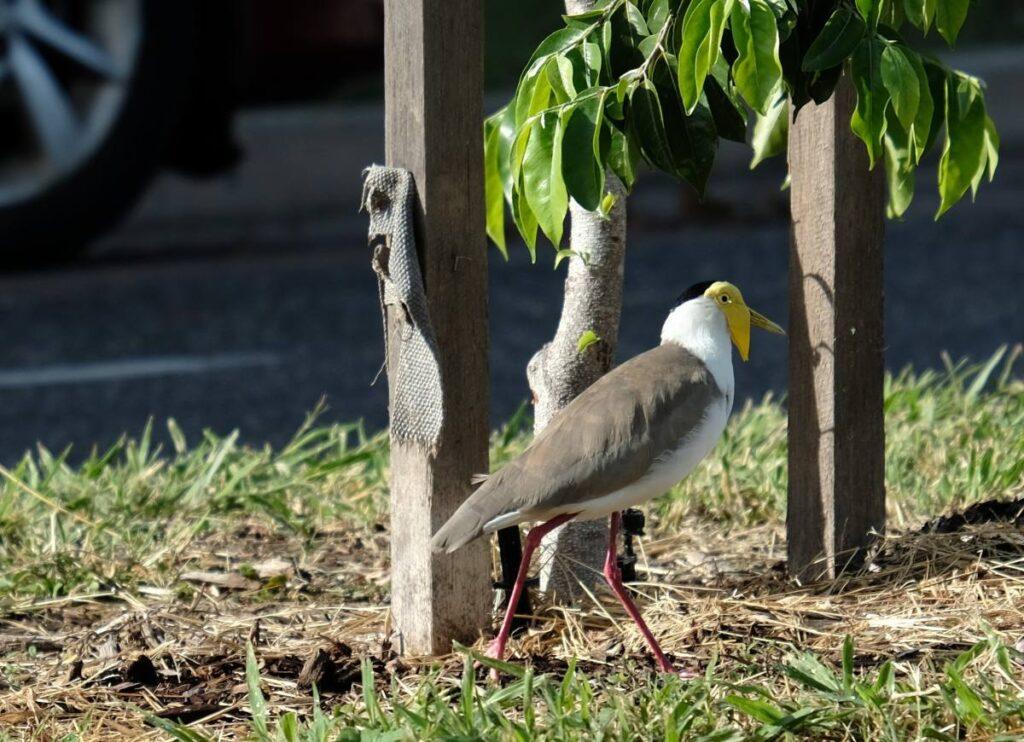
Fig 12. Masked Lapwing on Trower Road
Favourite Food: invertebrates
Masked Lapwings are native to Australia and protected. They are highly territorial especially during the breeding season (Nov-Jun) and will defend their ground-level nests.
Their numbers have increased In Darwin because Cane Toads have substantially reduced a key predator, the monitor lizard.