Seasons greetings,
This monthly newsletter (No. 61) includes: calendars, nature positive cities, government, quiz, plants and wildlife.
1.0 Calendars for 2026
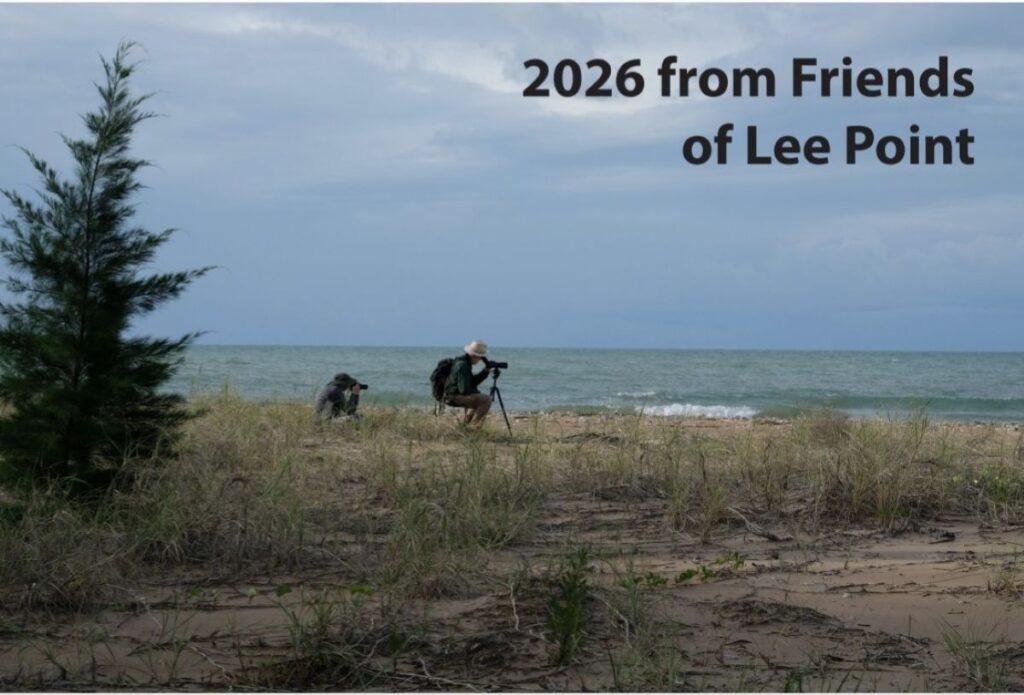
Fig 1. Front cover of 2026 FLP Calendar
Calendars can be purchased at Sunday Nightcliff Markets 8am-1pm: non-members $15, members $10 or ordered on-line.
Thankyou to all the people who have supported Save Lee Point this year through donation, purchasing FLP merchandise and other means.
2.0 Nature Positive Cities
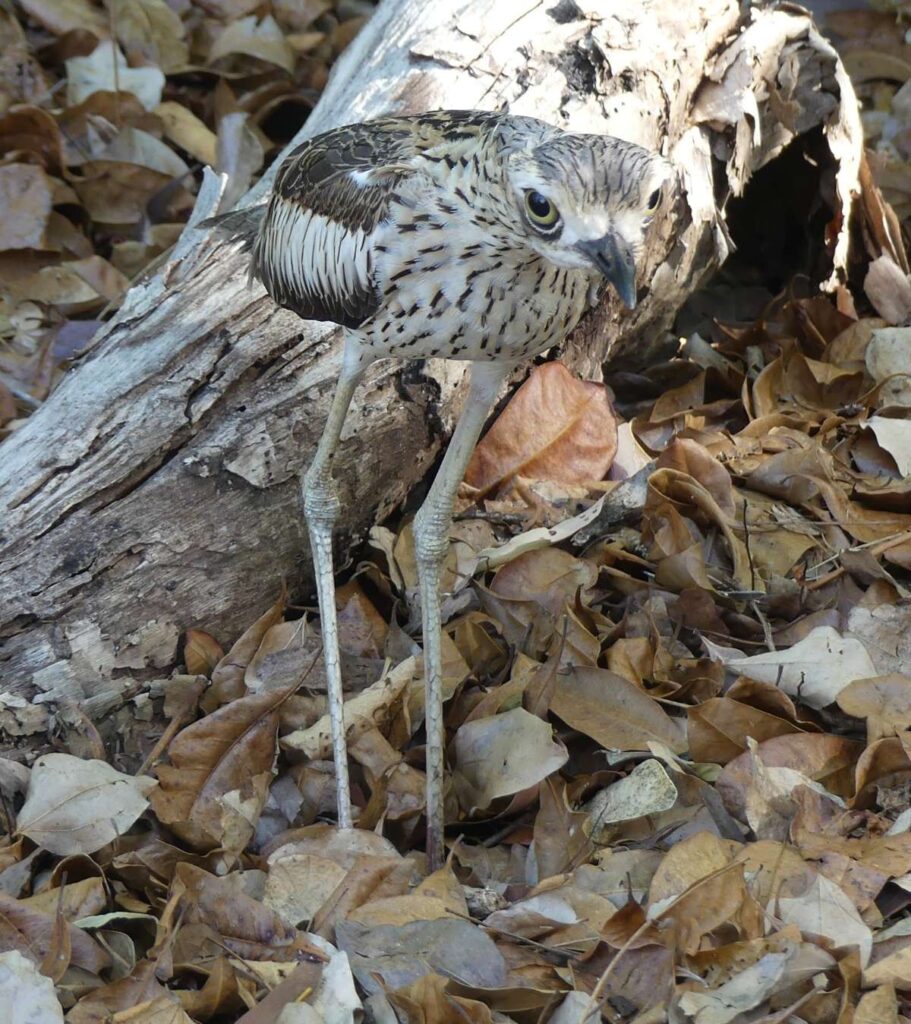
Fig 2. Bush Stone-Curlews are commonly seen and heard (at night) in Darwin.
Bush Stone-Curlews were common in southern states but are now rare. Numbers have increased in Darwin because one of their main predators, the monitor lizard, has been reduced by the invasive cane toad.
Nature Positive Cities – Australia has a biodiversity crisis and the scientific community largely agrees the world is in the midst of an mass extinction event. Things need to change.
A global initiative, Nature Positive Cities, is promoting cities to live in harmony with nature.
Singapore is seen as one success story with its government investing in regreening/biodiversity projects to help transform Singapore into a “City in Nature”. Improvements have occurred in liveability (includes reduced heat) and biodiversity. Singapore’s tourism reached an all time high last year ($22bn in 2024) and is expected to grow.
Darwin’s Urban Planning – Greening Darwin (to cool the city) and conserving urban forests eg. Darwin’s last wildlife corridor (includes Lee Point) is good for liveability and tourism.
Unfortunately, urban planning is not working for a nature positive Darwin or to enhance its reputation as a “City of Birds” (from its abundant native birdlife). Biodiversity corridors to protect birds/wildlife need to be in Darwin’s land use plans to ensure they are conserved.
Incorporating City of Darwin’s “Greening Darwin Strategy” into Darwin’s land use plans would be a good start to transition Darwin into a nature positive city.
3.0 Government
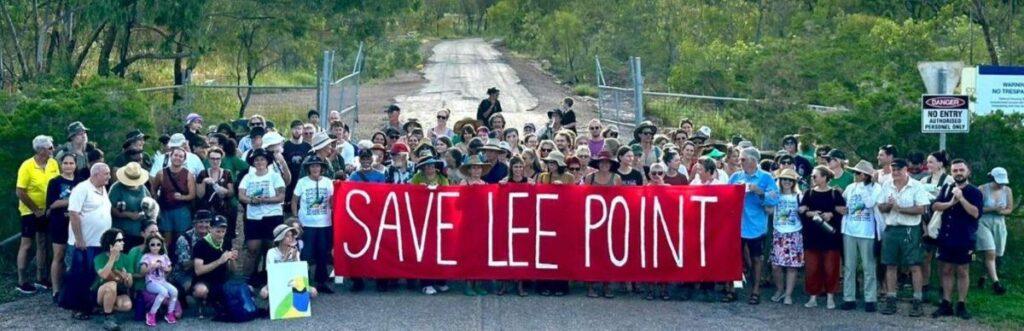
Fig 3. People calling on government to stop clearing the old-growth forest and threatening endangered wildlife – Lee Point 31 March 2024.
City of Darwin – Councillor Julie Fraser moved motions relating to Lee Point at the 2nd Dec council meeting. Representatives from Save Lee Point and DHA are to be invited to present their concerns to council in early 2026 – read more.
FLP and Plan do not believe City of Darwin should accept further subdivisions at Lee Point.
Please sign this PETITION to City of Darwin
Season for submissions
Many calls for submissions happen around the busy Xmas period when people are preoccupied with holiday planning. PLan – Planning Action Network has a list. These ones relate to Lee Point:
Proposal to rezone CCR land used by surf club – Casuarina Coastal Reserve (CCR) was offically declared a park in 2024. FLP provided a submission. Submissions closed 19 Dec 2025.
Environment Protection and Biodiversity Conservation (EPBC) Act reforms
The DHA housing project at Lee Point is bad for the environment and bad for business.
In late 2025, reforms were made to the EPBC Act. FLP support the mitigation heirarchy being included in the new Act (offsets only to be used as a last resort). Previously these considerations were not in the old Act and only included in policy which DHA ignored.
Applying the old Act to Lee Point (to avoid considering other locations) is not acting responsibly. FLP intends to make a submission, refer EPBC Act reforms. Submissions close 30 Jan 2026.
Lee Point update – the DHA housing project remains on hold.
The Northern Territory Civil and Administrative Tribunal (NTCAT) ruled that land clearing at Binybara/Lee Point in Darwin must stop until a major legal challenge from Larrakia – Danggalaba Traditional Owner Tibby Quall is heard.
BOM weather site – For those having trouble with the new BOM rain radar site here is the old site.
4.0 Quiz
Researchers from Charles Darwin University believe Lee Point is vital habitat for the endangered nocturnal Black-footed Tree-rat.
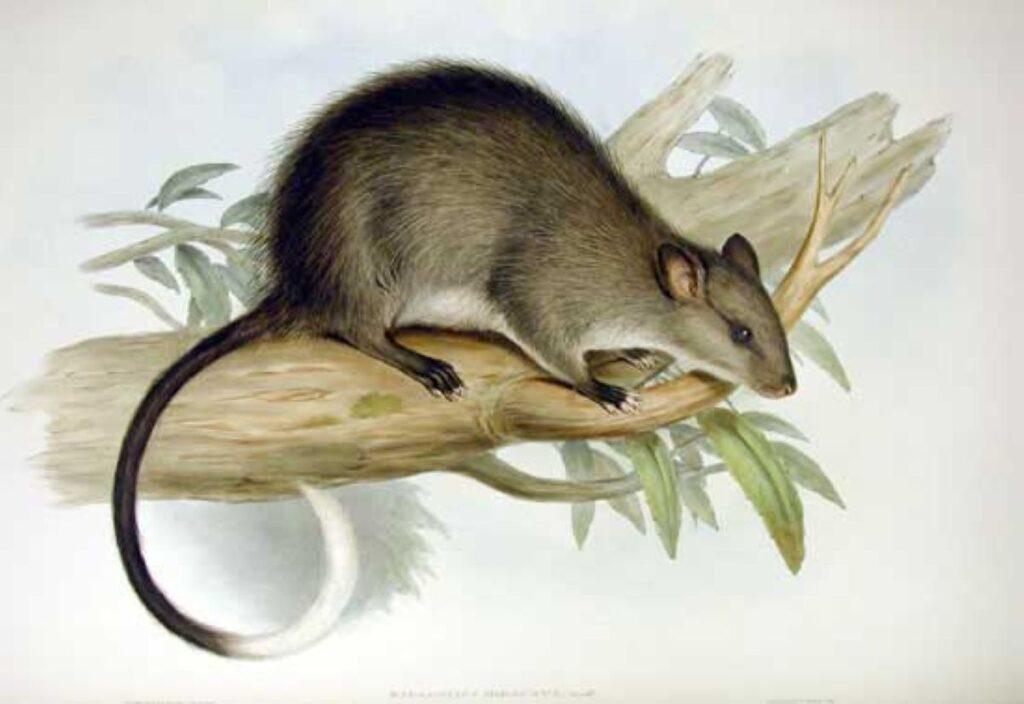
Fig 4. Black-footed Tree-rat – source Wikipedia
What would a Black-footed Tree-rat like for Xmas apart from a good tree hollow?
5.0 Plants and Wildlife
Recent rains have turned Lee Point green.
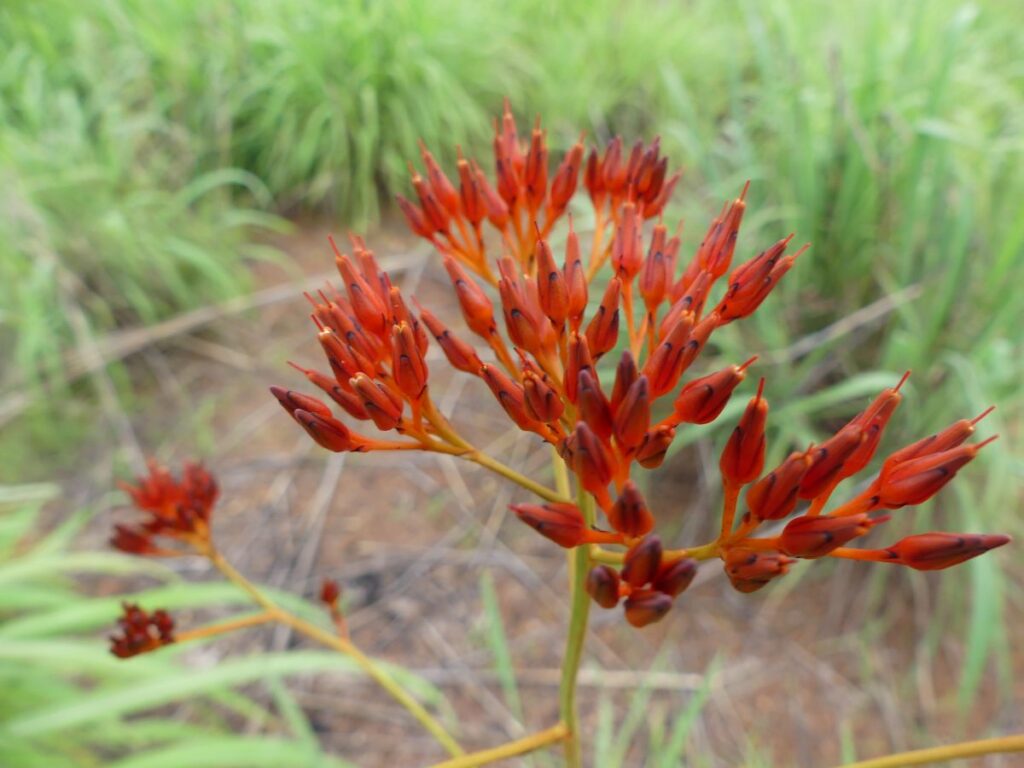
Fig 5. Scarlet Bloodroot
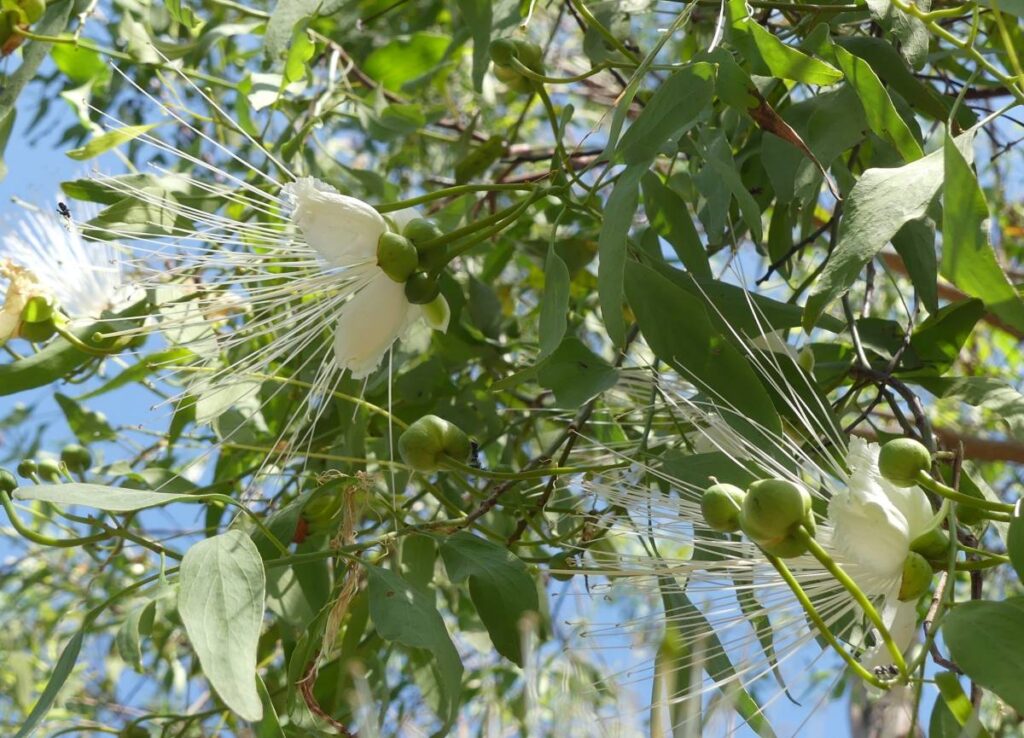
Fig 6 Wild Orange tree with capers
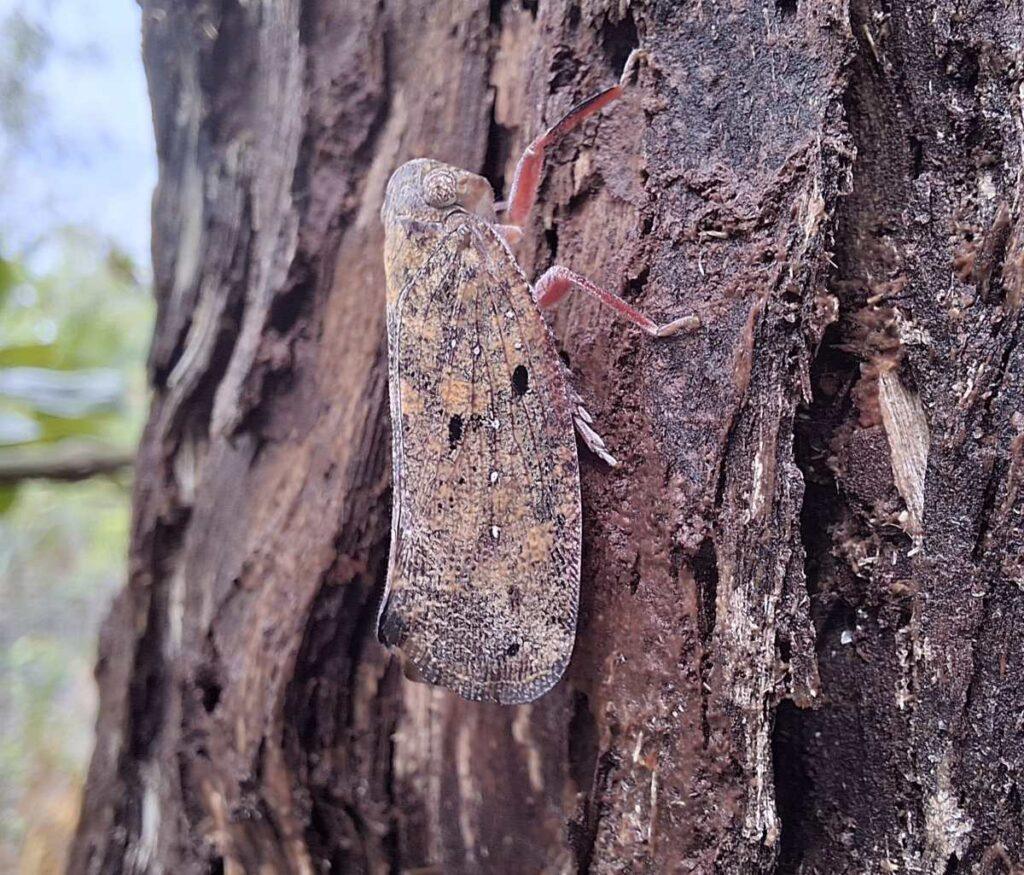
Fig 7. Plant hopper (Plantybrachys spp )
Favourite food: Plant sap
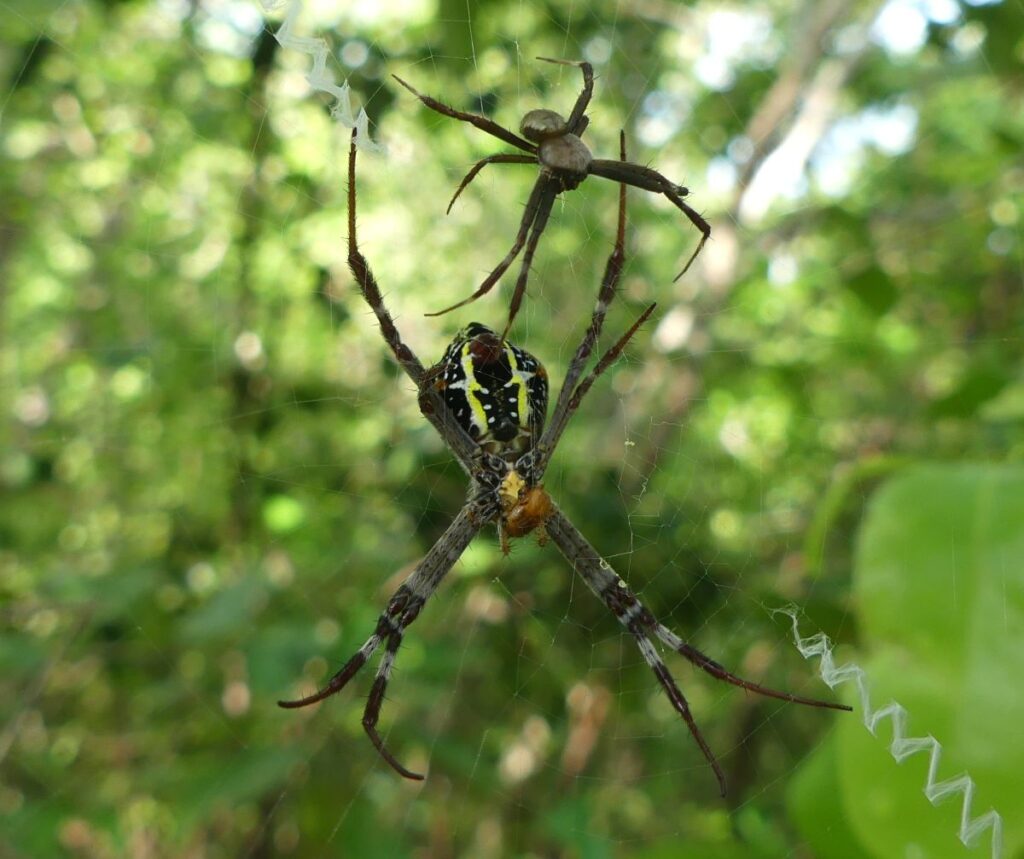
Fig 8. St Andrews Cross Spiders (male is above the larger female spider)
Favourite food: Insects.
If the female is inhospitable, she may eat the male.
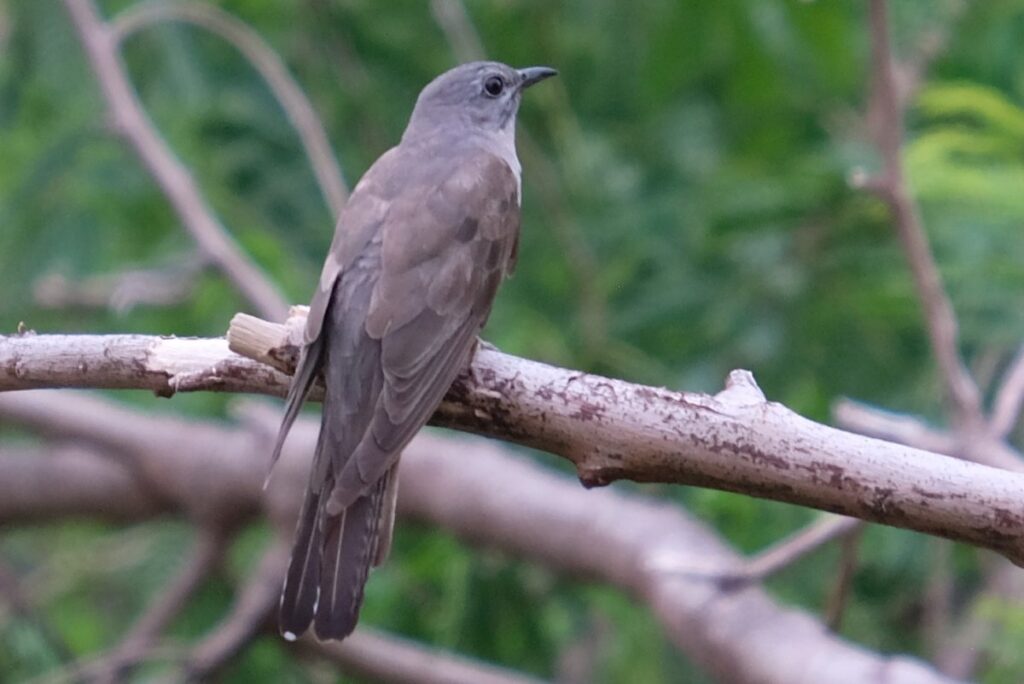
Fig 9. Sahul Brush Cuckoo
Favourite food: Insects
More often heard than seen (it calls persistently).
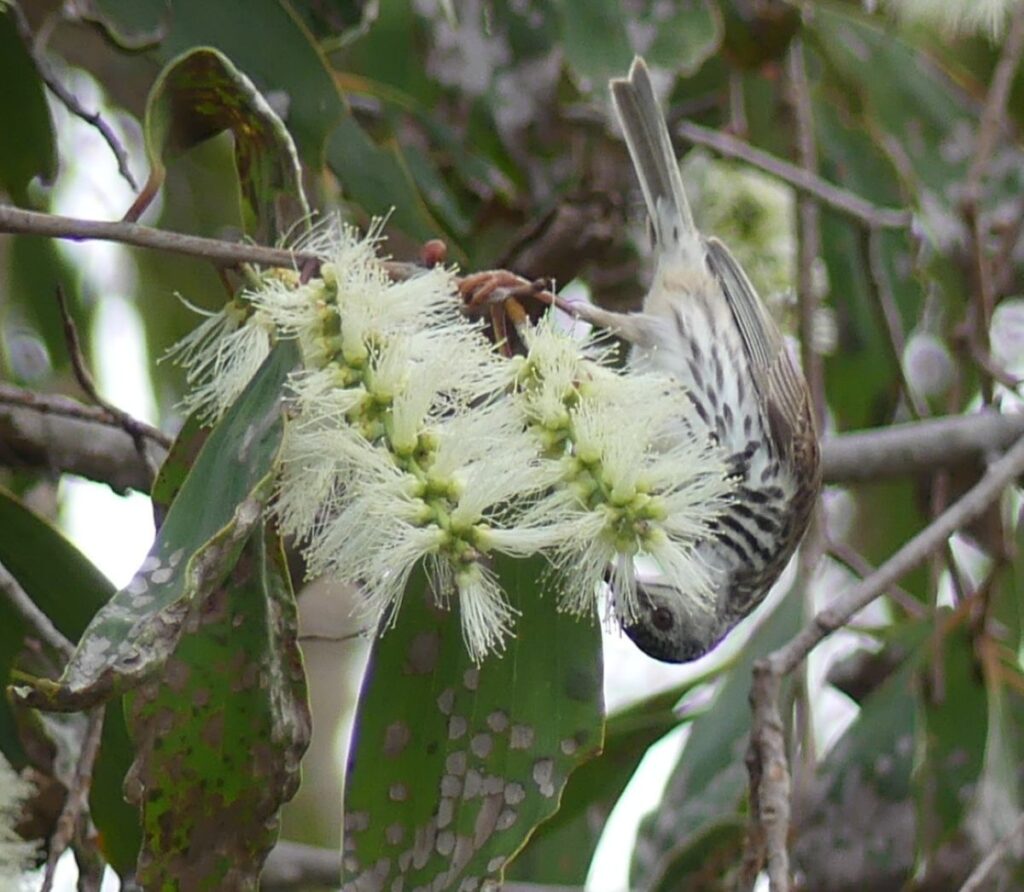
Fig 10. Bar-breasted Honeyeaters are common in the paperbark trees near the Lee Point Dam.
Favourite food: Nectar
Wilderness Walks
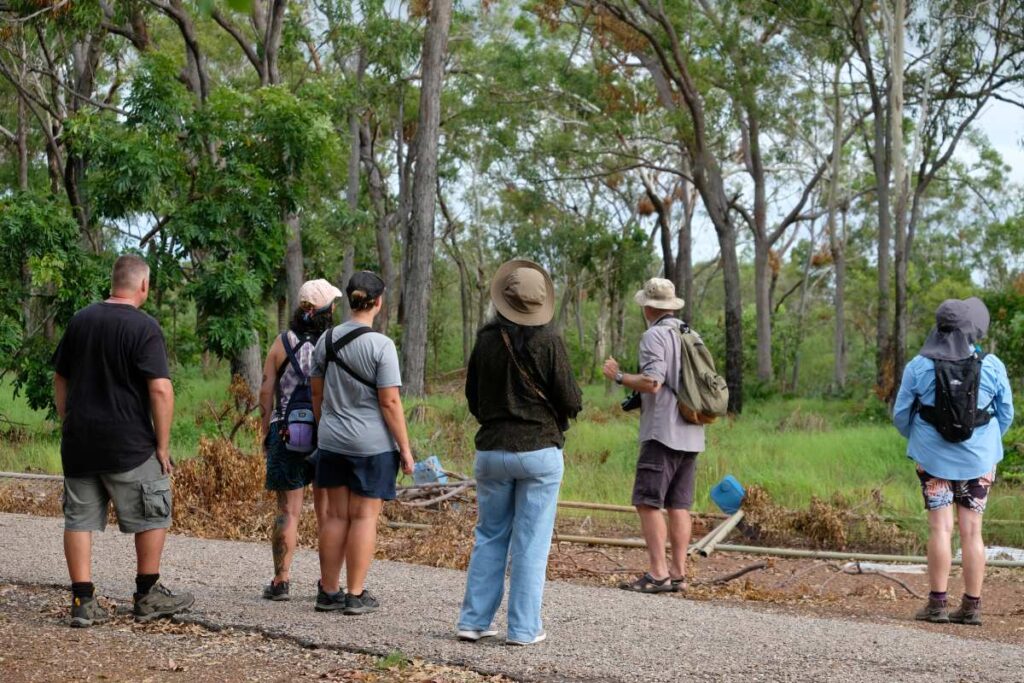
Fig 11. People on a wilderness walk 21 Dec 2025
Wilderness Walks have been recording between 25-45 bird species, refer ebird for latest sightings. Please check Friends of Lee Point Facebook for walk times.
Wishing you a Merry Xmas and lots of pandanus nuts in the new year.
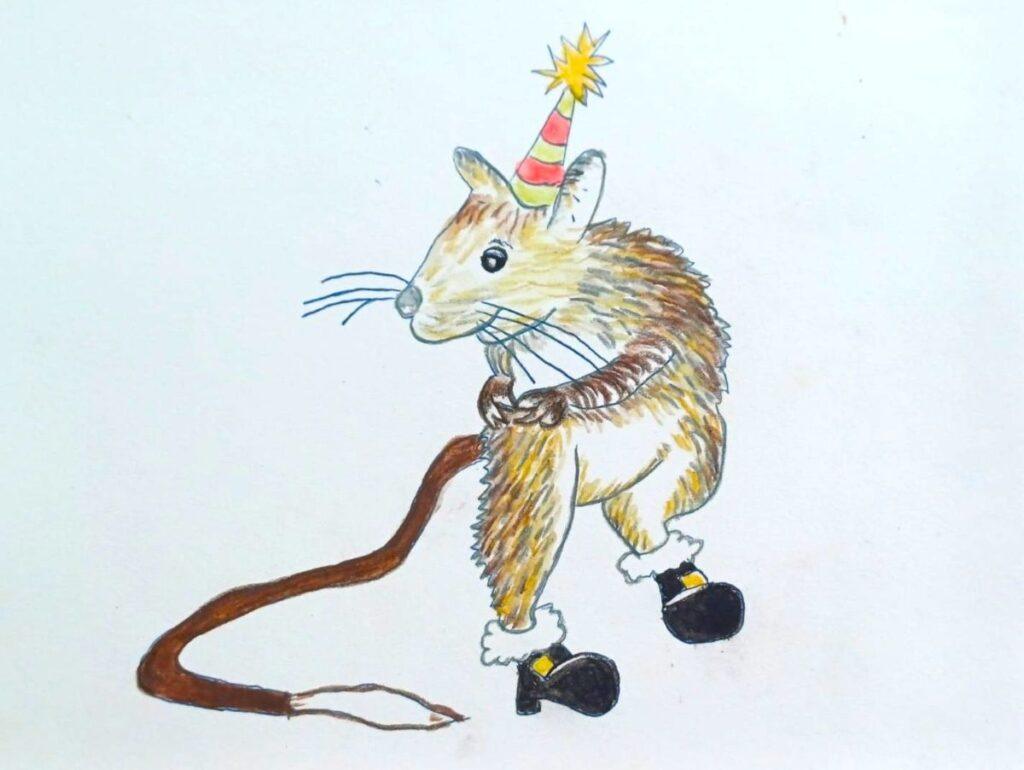
Fig 12. Black-footed Tree-rat, drawing by Gayle Laidlaw
Answers to Quiz