Greetings,
This monthly newsletter (No. 66) includes: Senate Petition, community events, migratory shorebirds, government updates, quiz, plants and wildlife.
Please sign SENATE PETITION
The petition calls for a Senate Inquiry into DHA Lee Point housing project. We aim to have the petition tabled at next week’s Senate sitting (all going well). Please sign now and share.
1.0 Community events
Sun 29 March – Choir of Dead Trees – 3.15pm at Lee Point/Binybara, Wilderness Walk – 4.15pm
Sat 28 March – Art session/sign painting – 2pm at ECNT Nightcliff
March in March for Forests – Sun 22 March
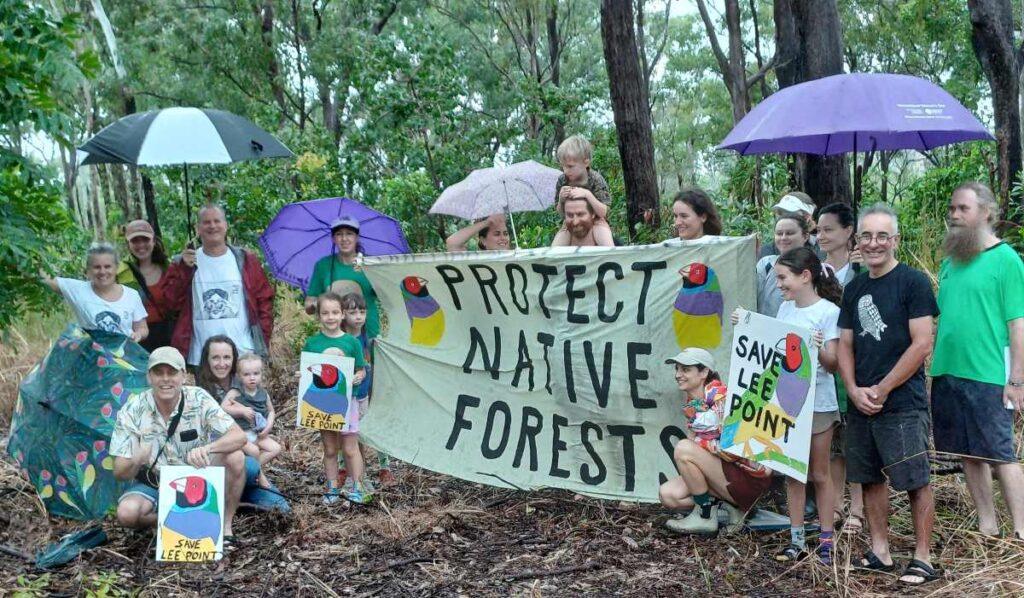
Fig 1. Big Tree Block at Lee Point/Binybara – 4.30pm Sun
People braved the wild weather from ex-cyclone Narelle in support of “March in March for Forests”. There was no marching just singing in the rain. A few people went on a wilderness walk afterwards (in the rain) and saw 23 bird species.
Farewell Shorebirds – Sat 21 March
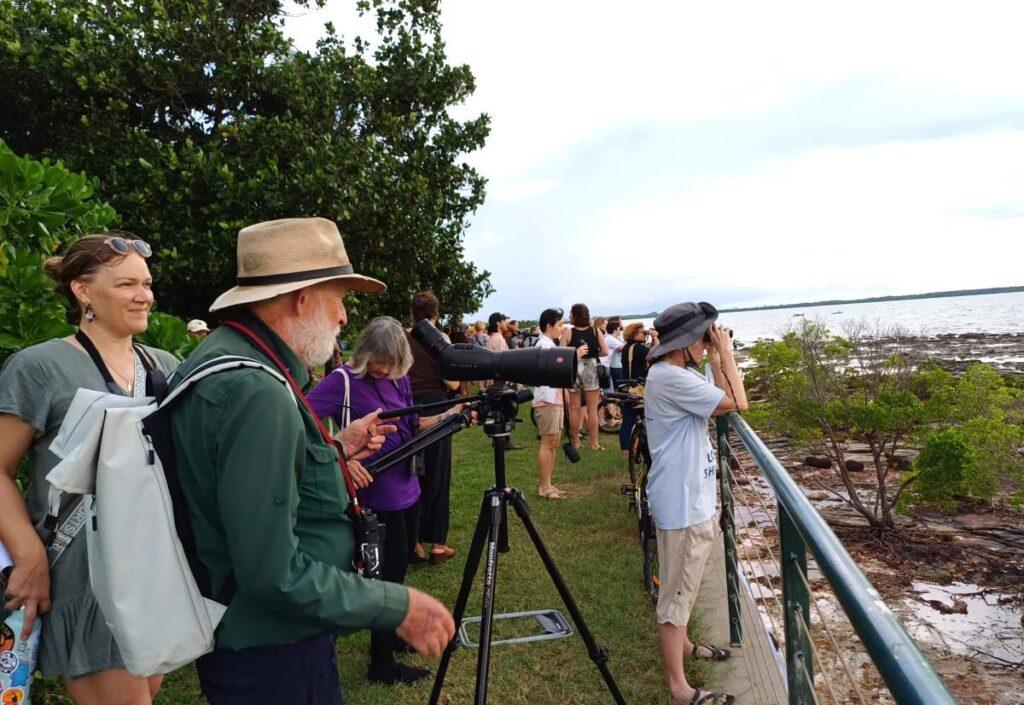
Fig 2. Farewell Shorebirds event 5pm Sat
Over 100 people attended the “Farewell Shorebirds” event at Sunset Park, Nightcliff which included looking at migratory shorebirds through scopes and Curlew painting.
2.0 Migratory Shorebirds at Lee Point
Lee Point is an internationally significant migratory shorebird site and home to seven threatened species. ABC Darwin explains why migratory shorebirds are under threat.
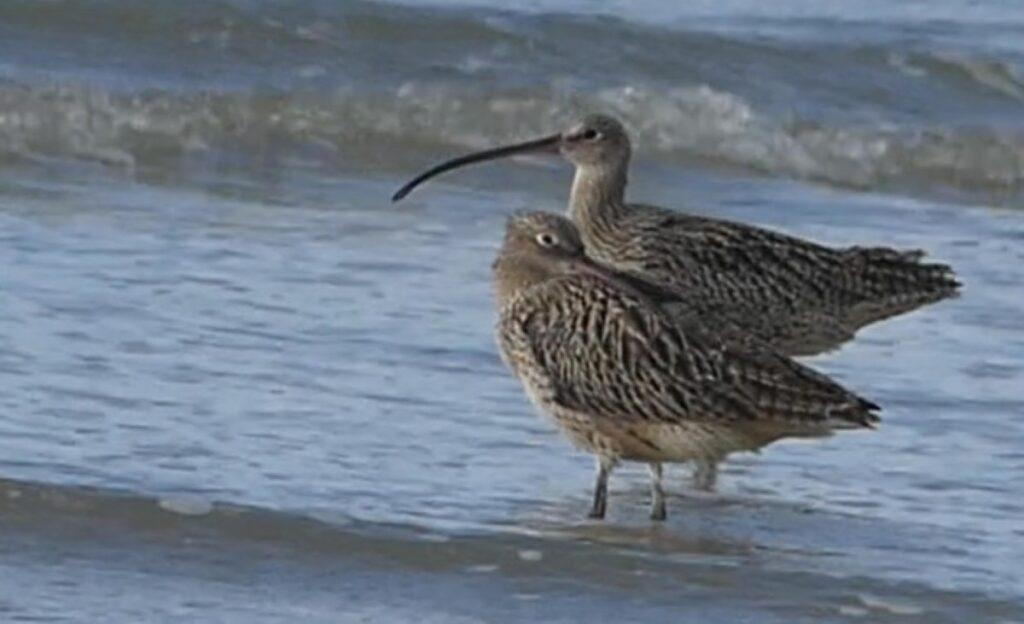
Fig 3. Far Eastern Curlews – Mar 2026 Lee Point.
Favourite Food: Invertebrates – small crabs and molluscs
The Far Eastern Curlew is the world’s largest migratory shorebird and critically endangered (at a high risk of extinction).
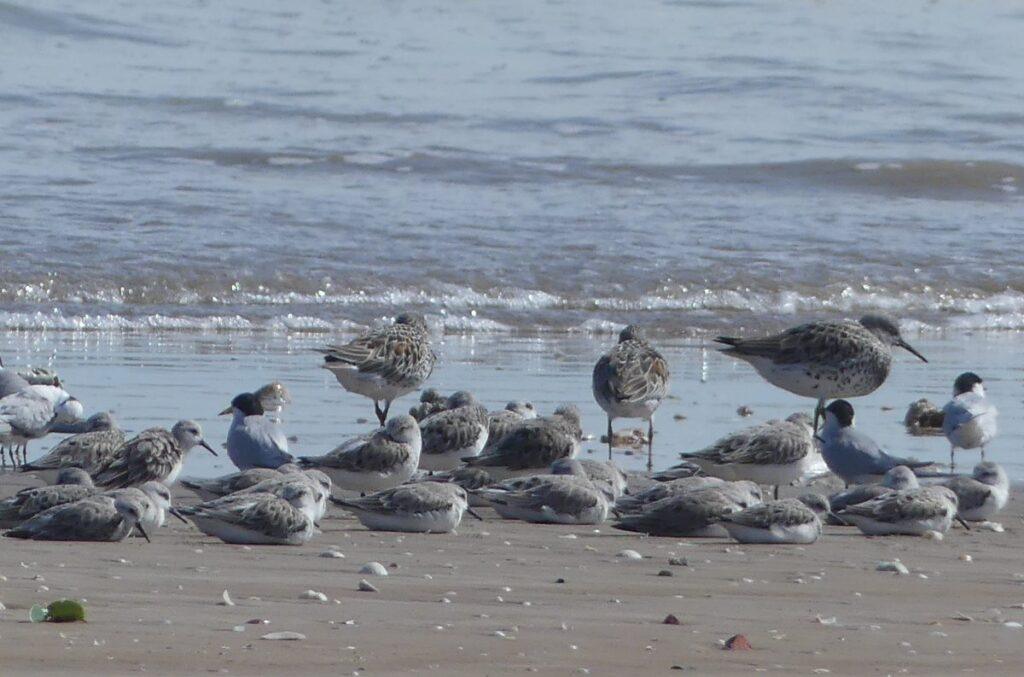
Fig 4. Great Knots (standing), Little Terns (standing with black heads) and Sanderlings (sitting) – Mar 2026 Lee Point.
Favourite Food: Invertebrates – small molluscs, snails and crustaceans
Knots and Sanderlings are migratory shorebirds, seen here resting and putting on weight/fuel for their long migration – Knots are endangered. These shorebirds leave Lee Point in Mar/Apr for places like Siberia to breed. They return in Aug/Sept, many to the same place they left from. Prior to leaving they put on breeding plumage – dressing to impress.
Little Terns are migratory seabirds. They breed throughout Australia, Eurasia and Africa and are now threatened.
3.0 Government updates
Australian Government
Will Federal Labor support Territory Labor on Lee Point? – Senator Malarndirri McCarthy did not answer the question asked by Senator Lidia Thorpe whether she supported Territory’s Labor’s position on Lee Point. Territory Labor support a moratorium until a new Lee Point Area Plan is completed by the independent NT Planning Commission.
NTCAT court hearing Tibby Quall vs NT Heritage Council – DHA advised that the court hearing is in April 2026. Until this matter is settled land clearing at Lee Point remains on hold – read more
Defence sites to be sold off – Sites in Darwin are Stokes Hill Fuel Installation, Defence Establishment Berrimah and Kowandi North, refer Defence Estate Audit Sites. There is a Senate Committee Inquiry under way. Submissions close 17 April 2026.
Many years ago, the Lee Point Defence site was transferred to Defence Housing Australia (DHA) with little concern for heritage values. The Lee Point land is now being sold off. There is a lot wrong with the DHA Lee Point housing project. Please sign SENATE PETITION
NT Government
Most Nightcliff voters support Lee Point – In the March 2026 Nightcliff By-election (in Darwin), 80% of the first preference votes went to candidates that supported a new Area Plan for Lee Point and a moratorium on works at Lee Point until this happens. Mr Ed Smelt from Territory Labor was elected.
Local Government – City of Darwin
A petition by ~1200 people called on council not to accept further subdivisions at Lee Point. The petition, organised by FLP and PLan, has been handed to Councillor Julie Fraser.
4.0 Quiz
What is the name of the world’s fastest running insect? It can be seen on Lee Point beach.
5.0 Plants and Wildlife
Images from Lee Point in March 2026.
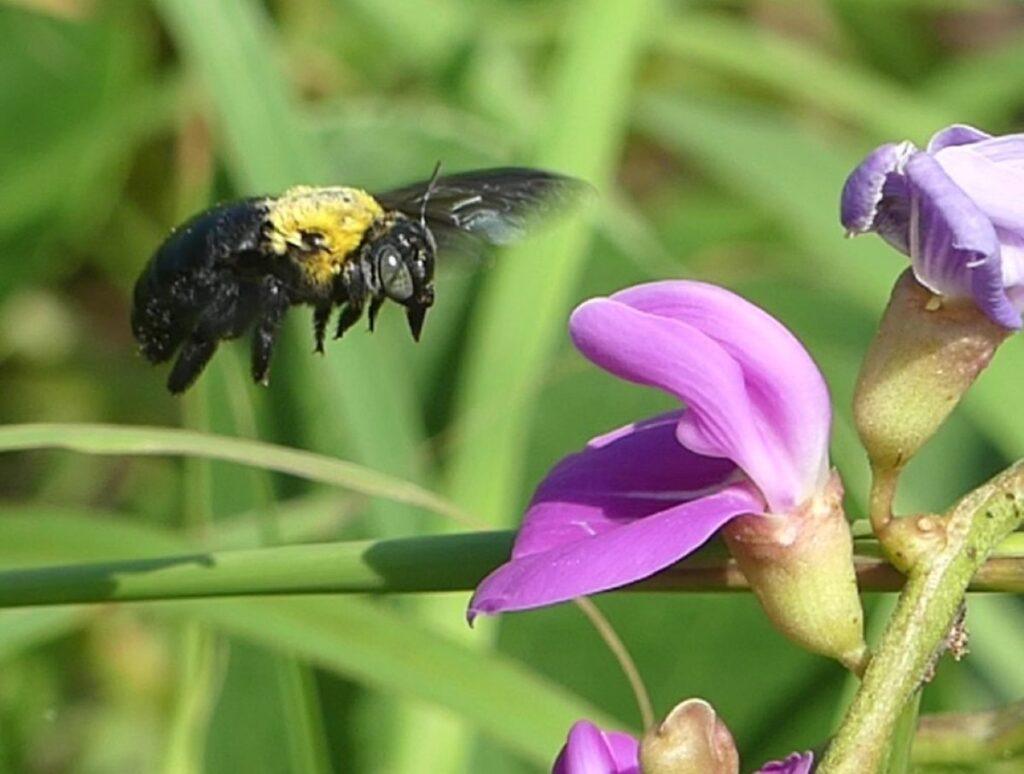
Fig 5. Great Carpenter Bee and Ipomea flower.
Favourite Food: Nectar and pollen
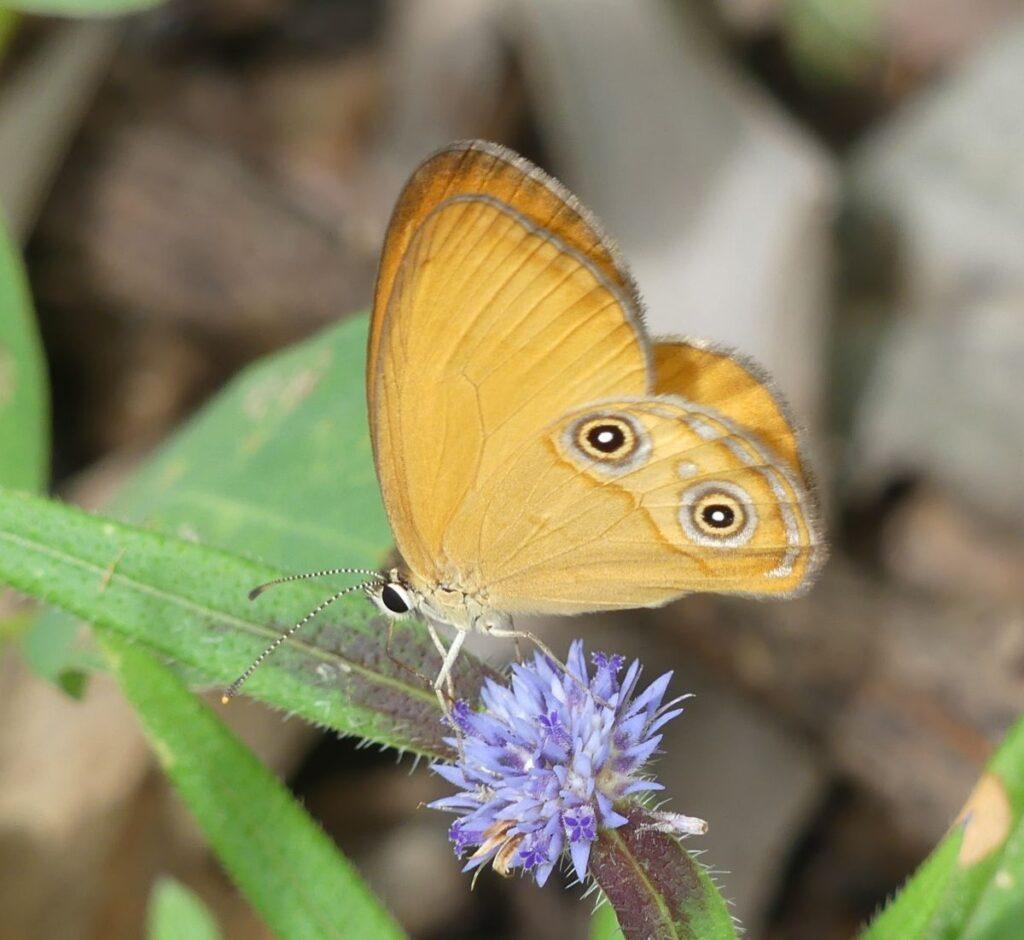
Fig 6. Orange Ringlet Butterfly on Spermacoce spp
Favourite Food: Nectar
Spermacoce (or False Buttonwood) is common this time of year.
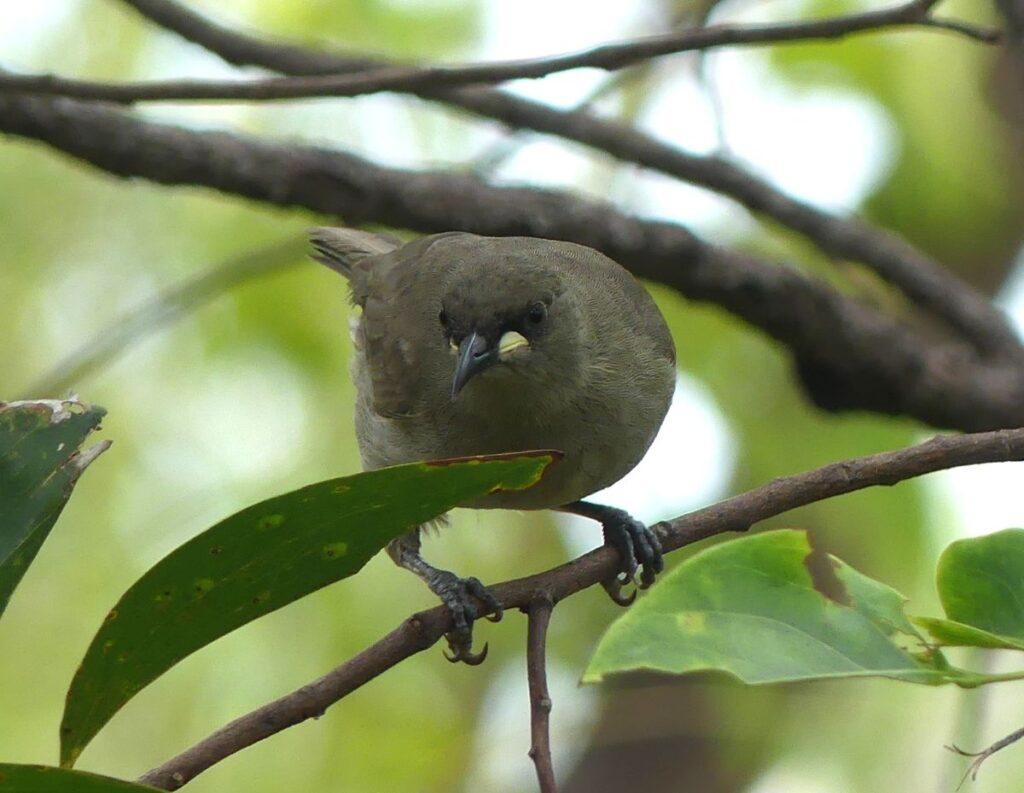
Fig 7. White-gaped Honeyeater
Favourite Food: Nectar
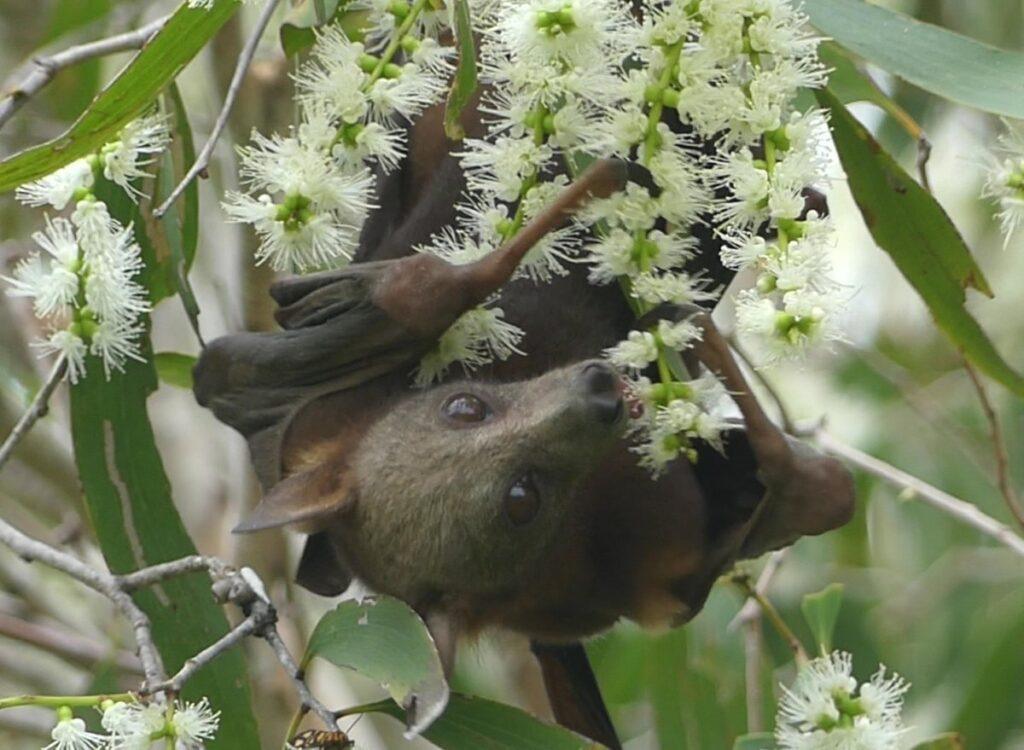
Fig 8. Flying Fox getting nectar from melaleuca flowers at Lee Point dam
Favourite Food: Nectar
These large bats have a fox-like face hence their name “Flying Fox”. They are crucial for pollinating and dispersing seeds over vast distances, helping forests regenerate.
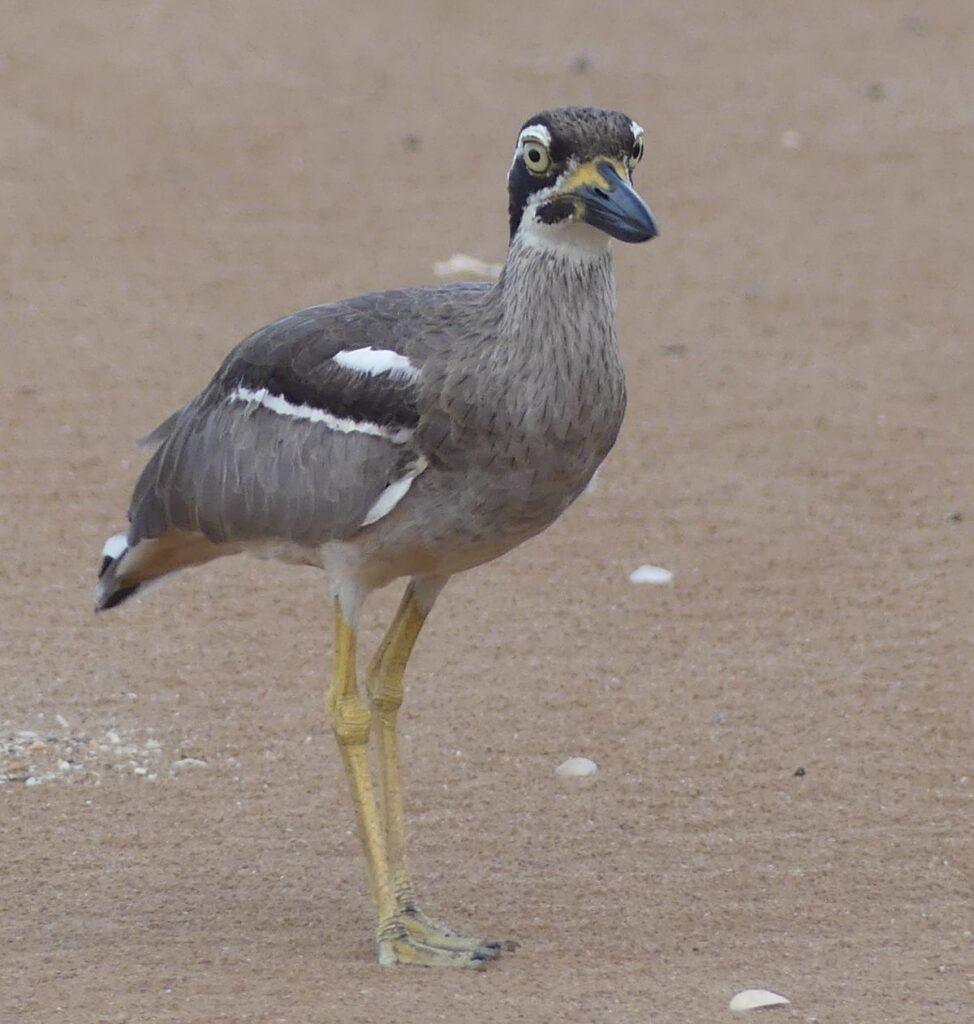
Fig 9. Beach Stone Curlew on Lee Point Beach
Favourite Food: Crabs
The Beach Stone Curlew is the world’s heaviest shorebird (does not migrate). Globally it is classed as Near Threatened. In NSW it is critically endangered.
Wilderness Walks
Wilderness Walks have been recording between 25-45 bird species, refer ebird for latest sightings. Please check Friends of Lee Point Facebook for walk times.
All the best for the Wet Season
Answers to Quiz
Ans: Tiger Beetle
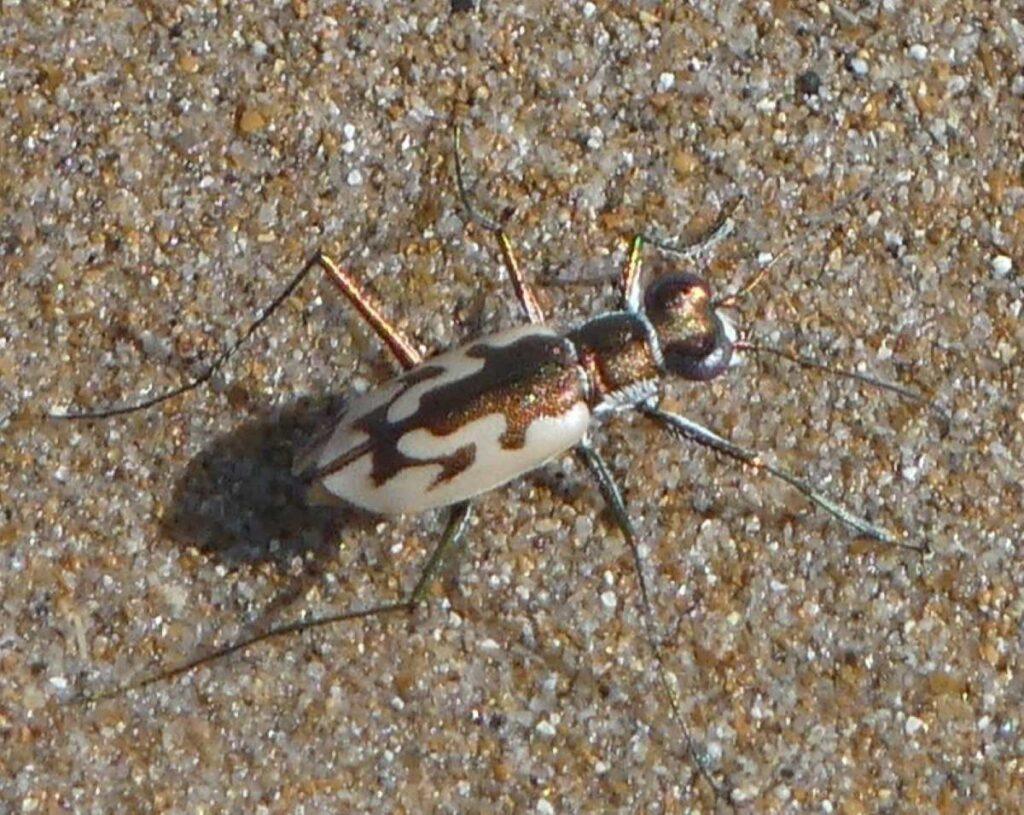
Fig 10. Tiger Beetle on Lee Point beach – Mar 2026
Favourite food: Insects and anything it can run down and overpower.