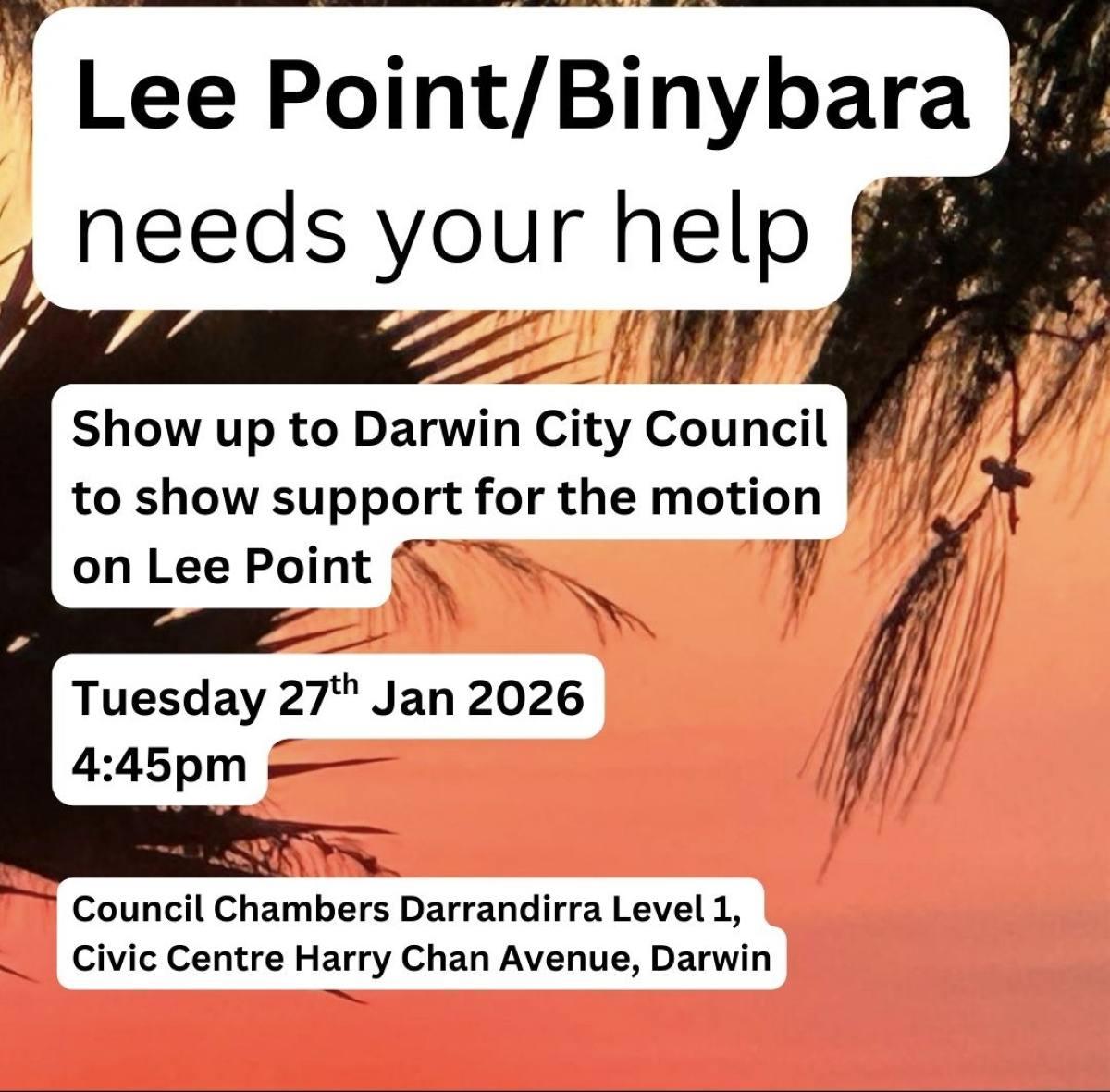
ALERT – City of Darwin votes on Lee Point – Tues 27 Jan. Council is discussing/voting on motions to get better information for accepting further subdivisions at Lee Point after the CIty of Darwin Public Forum
The Public Forum is at 5pm Tues 27 Jan at the Council Chambers.
Meet us at 4:45pm at the council chambers. – read more.
Greetings, This monthly newsletter (No. 62) includes: species lost in 2025, National Environmental Standards, nature and tourism, quiz, plants and wildlife.
1.0 Species and habitat lost in 2025
None of this is good news.
In 2025, eight species were declared extinct. Four were Australian mammals.
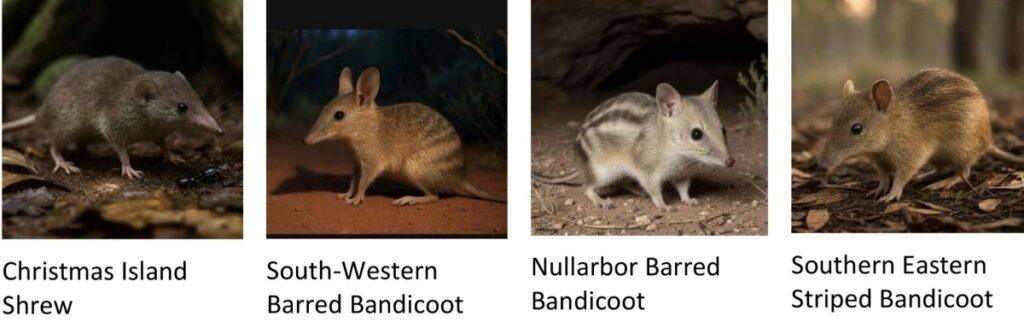
Fig 1. Australian mammals listed extinct in 2025 – source Kevinparker.com.au, images are AI impressions from fossil record reconstruction.
Australia has lost ~10% of its mammal species since colonisation (1788), an average of one mammal species every 6 years. This mammal extinction rate is far greater than anywhere else in the world.
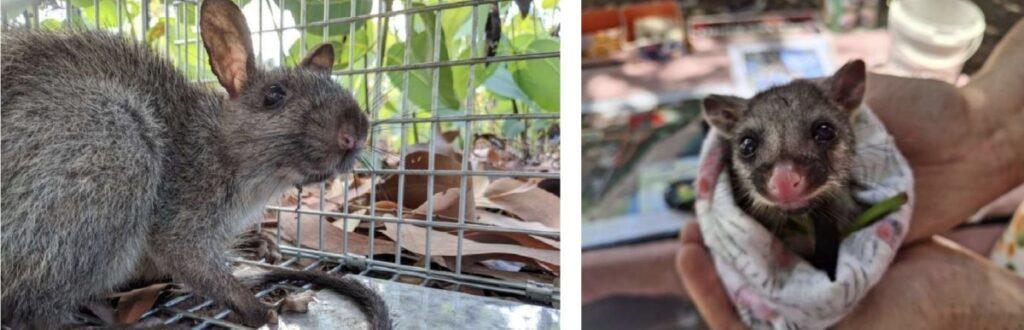
Fig 2. Endangered Black-footed Tree-rat (source ABC) and Northern Brushtail Possum (at Nightcliff Market 2025) are some mammals found at Lee Point.
The Northern Brushtail Possum while still common in Darwin has substantially declined in other areas – nationally, its status is listed as vulnerable.
Places like Lee Point provide a refuge for threatened species.
Habitat lost – in 2025, the Federal Government approved clearing more than 570 sq km of threatened species habitat Australia wide, making 2025 the worst year in over a decade.
2.0 Government update
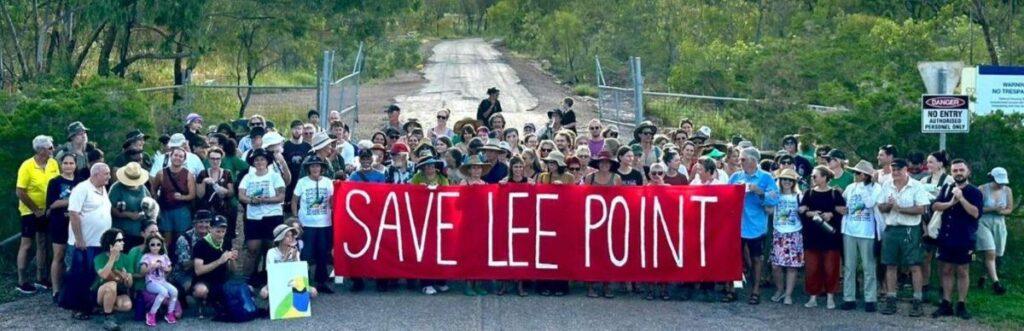
Fig 3. People calling on government to stop clearing the old-growth forest and threatening endangered wildlife – Lee Point 31 March 2024.
Australian Government
National Environmental Standards – In late 2025, much needed reforms were passed by Federal Government to Australia’s main law to protect threatened species, the Environment Protection and Biodiversity Conservation (EPBC) Act.
These reforms are now being finalised into national environmental standards that are critical to tackling Australia’s extinction crisis.
Environmental Justice Australia (EJA) provides this useful guide to “having your say” on the draft National Environmental Standards. FLP is making two submissions on the standards.
Please make a submission or take the on-line survey (takes a few minutes) at draft National Evironmental Standards.
Consultation closes 30 Jan 2026.
NT Government
DHA land clearing remains on hold – The independent body NTCAT (Northern Territory Civil and Administrative Tribunal) ruled that land clearing at Binybara/Lee Point in Darwin must stop until a major legal challenge from Larrakia – Danggalaba Traditional Owner Tibby Quall is heard – read more.
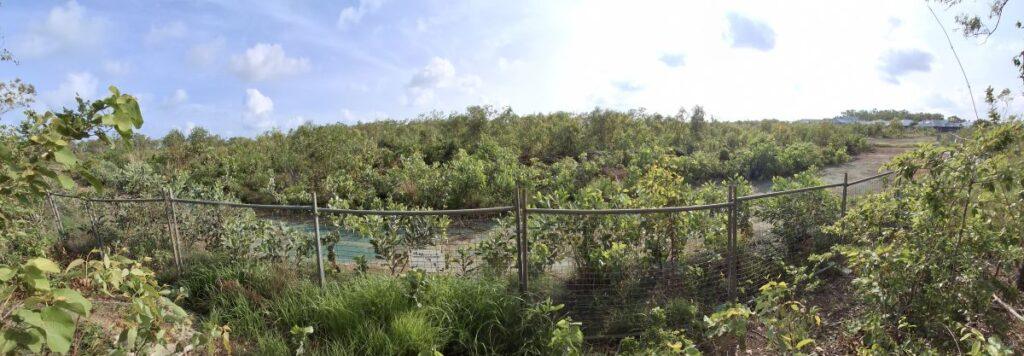
Fig 4. Savanna forest regrowth in Stage 3 after May 2024 clearing (Lyons on right) – Jan 2026
NTCAT court case FLP vs DCA – 20 Feb 2026. DHA breached the NT Planning Act when it cleared Stage 2 & 3 in May 2024 and the Development Consent Authority (DCA) decided late 2024 not to prosecute. FLP have asked NTCAT to review the decision – read more
Local Government
Save Lee Point presents to City of Darwin – 5pm Tues 24 Feb – Save Lee Point representatives have been invited to present their concerns to council – read more.
Please sign this PETITION to City of Darwin
3.0 Nature and tourism
Nature Positive Cities – is a global initiative promoting cities to live in harmony with nature.
Singapore is seen as one success story with its government investing in regreening/biodiversity projects to help transform Singapore into a “City in Nature”. Singapore’s tourism reached an all time high ($22bn in 2024) and is expected to grow.
To make Darwin a nature positive city, strategies such as City of Darwin’s “Greening Darwin Strategy” would need to be incorporated into Darwin’s land use plans.
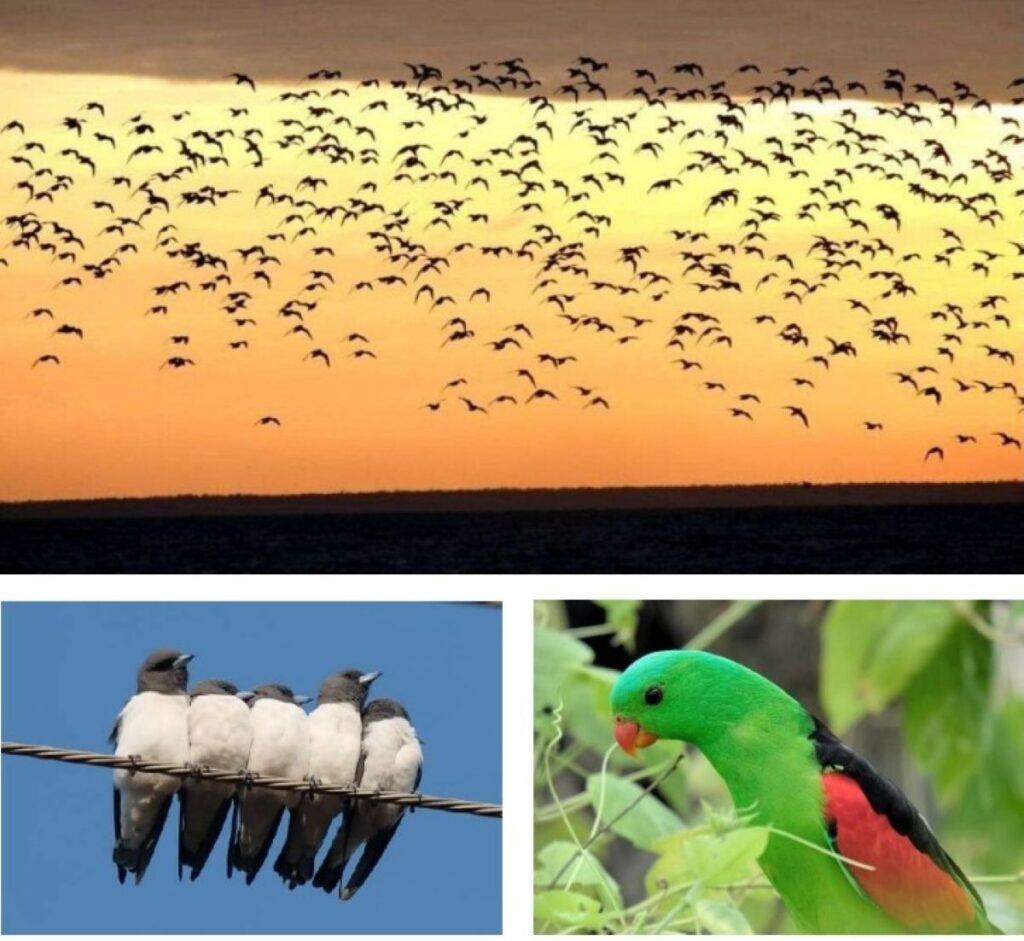
Fig 5. Migratory shorebirds (top), Red-winged Parrot and White-breasted Woodswallows at Lee Point – 20 mins from Darwin’s CBD.
Nature-based tourism – Darwin’s abundant bird species makes Darwin a “City of Birds”, a valuable asset in promoting nature-based tourism. Globally, birdwatching/nature-based tourism is predicted to grow strongly in the next decade.
Calendars available – non-members $15, members $10.
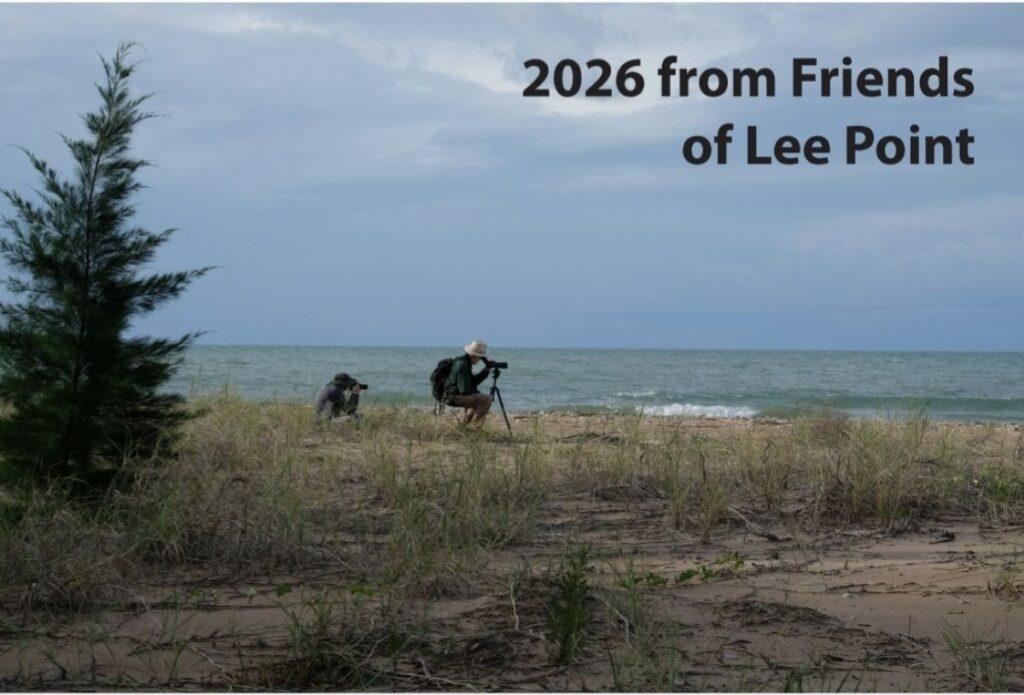
Fig 6. Front cover of 2026 Calendar
Images of 2025 – a collection of images involving Lee Point in 2025.
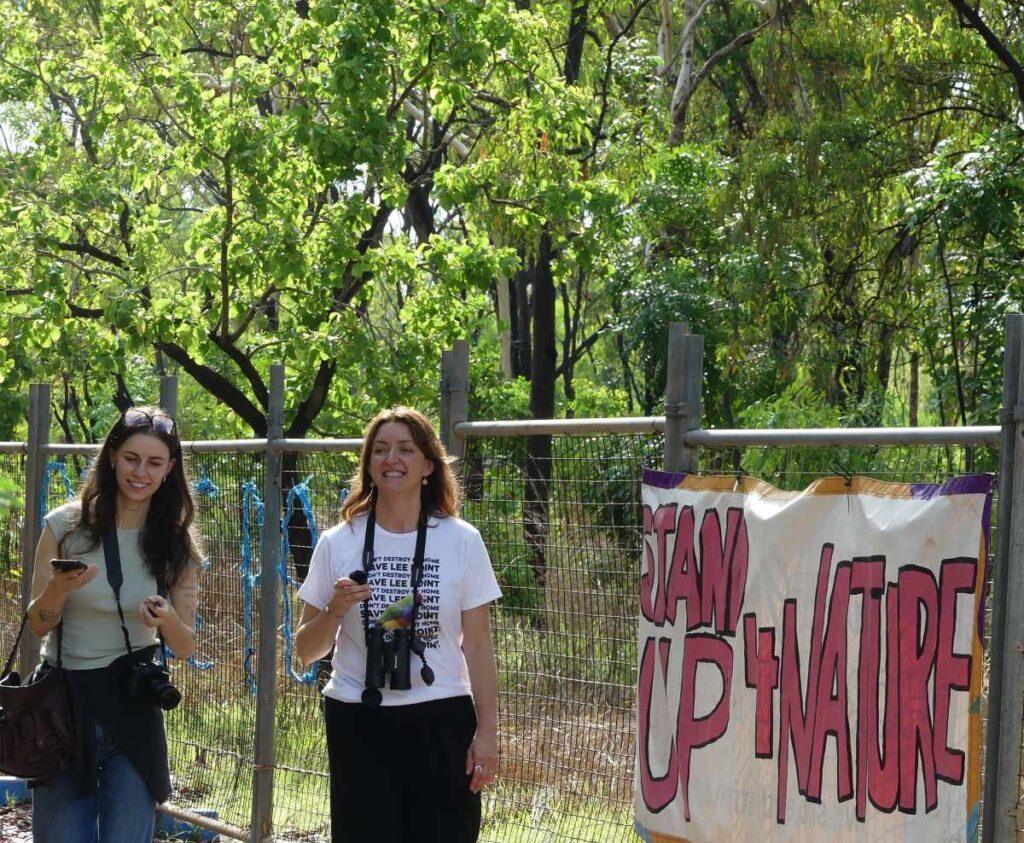
Fig 7. Greens Senator Steph Hodgin-May (on right) with Amy Mya on a Wilderness Walk– Nov 2025.
4.0 Quiz
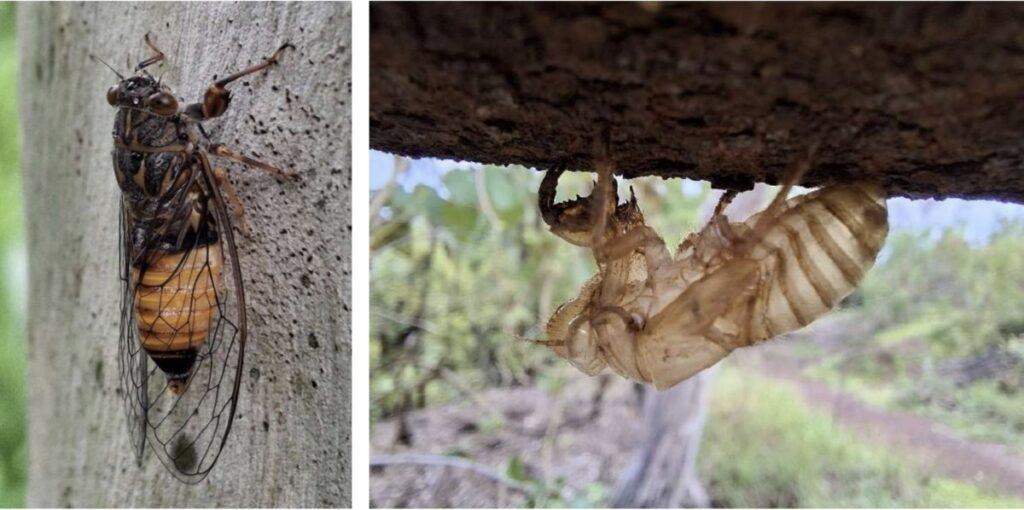
Fig 8. Cicada and Cicada exoskeleton (from mature nymph)
Favourite food: plant sap
In Australia, cicadas may live 6-7 years underground. How long do they live above ground?
a) few weeks, b) few months, c) one year, d) few years
5.0 Plants and Wildlife
Images from Lee Point in January 2026.
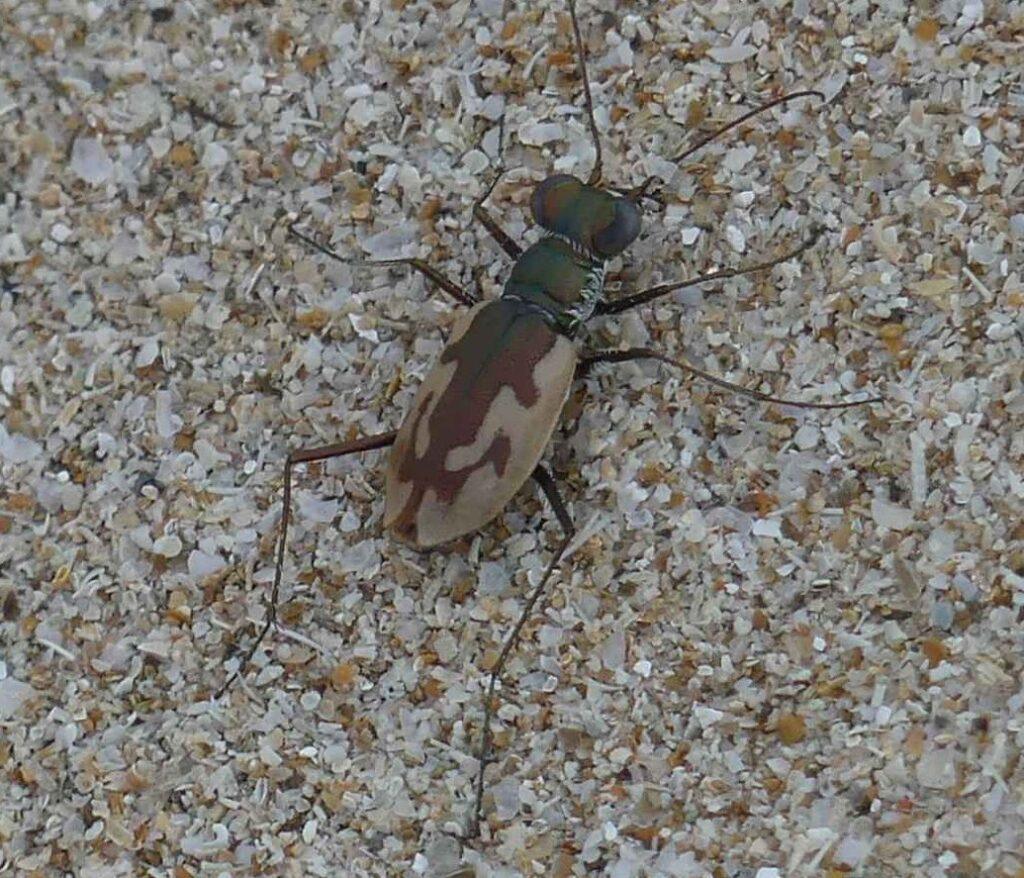
Fig 9. Tiger Beetle on Lee Point beach
Favourite food: Insects
Tiger Beetles are one of the fastest running insects in the world and run down their prey.
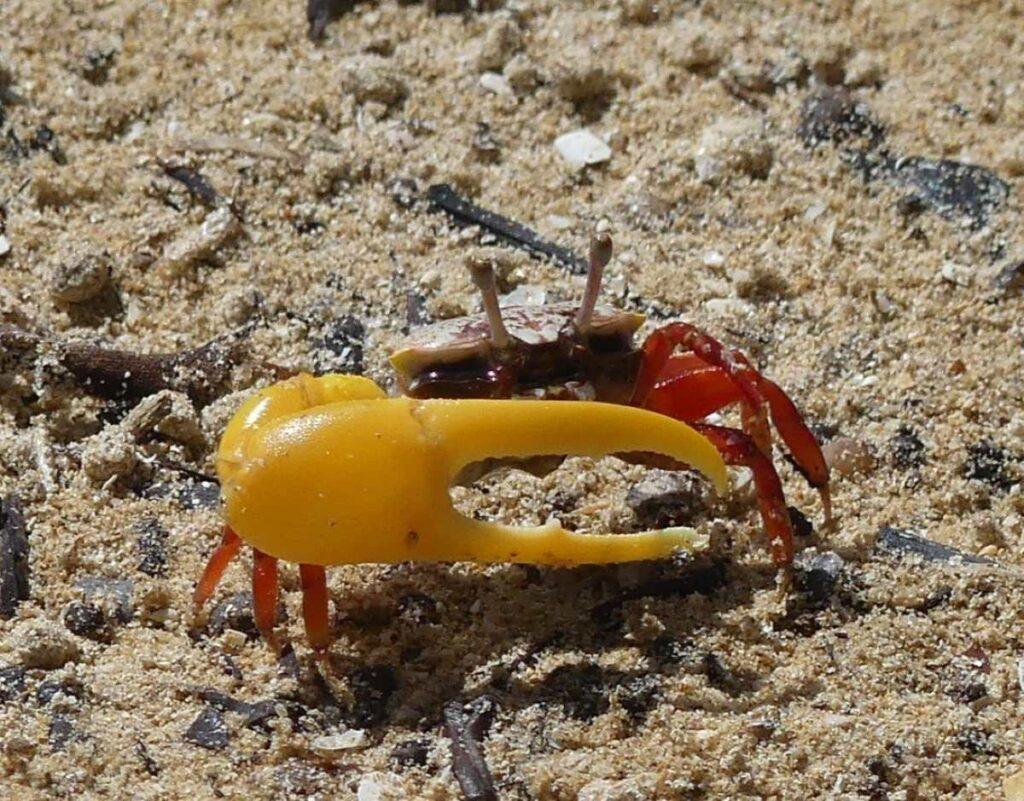
Fig 10. Fiddler Crab in mangroves
Favourite food: organic matter
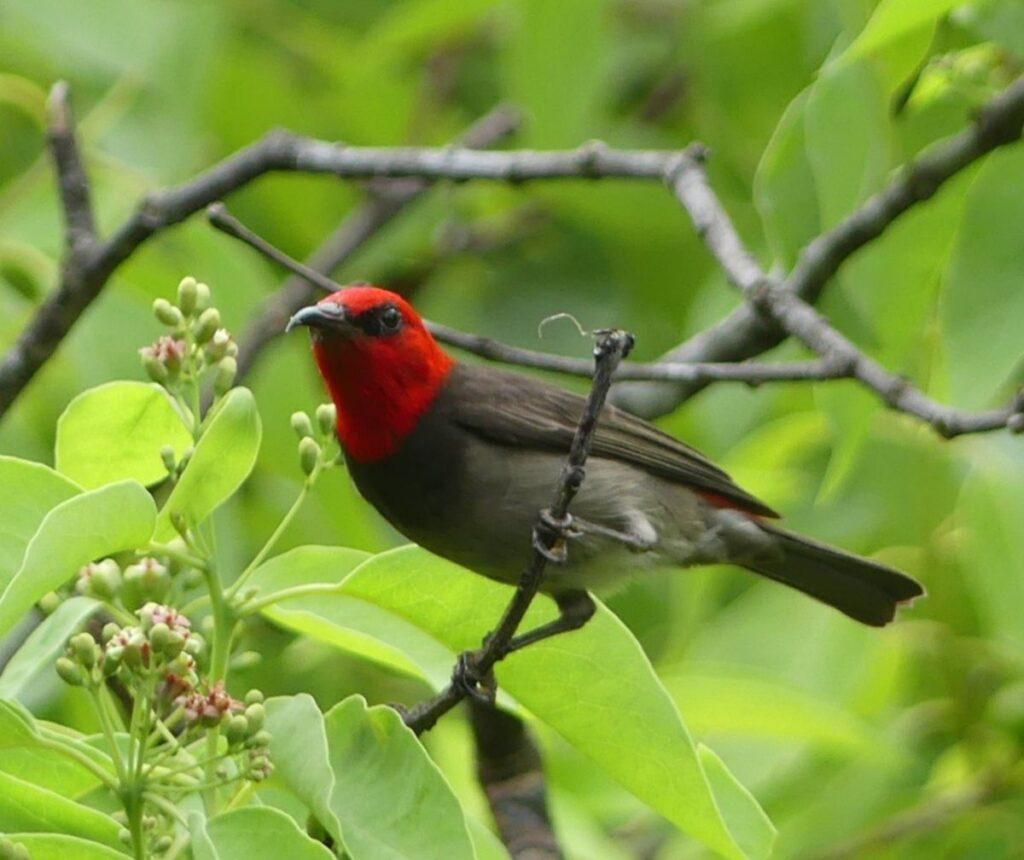
Fig 11. Red-headed Myzomela (or honeyeater) in mangroves
Favourite food: nectar
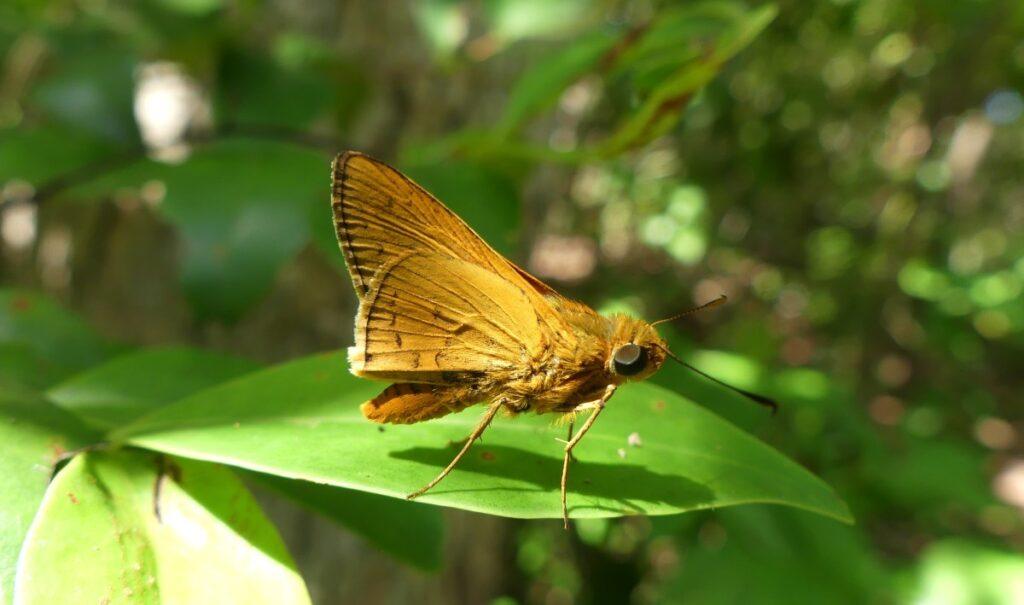
Fig 12. Darter Butterfly
Favourite food: nectar
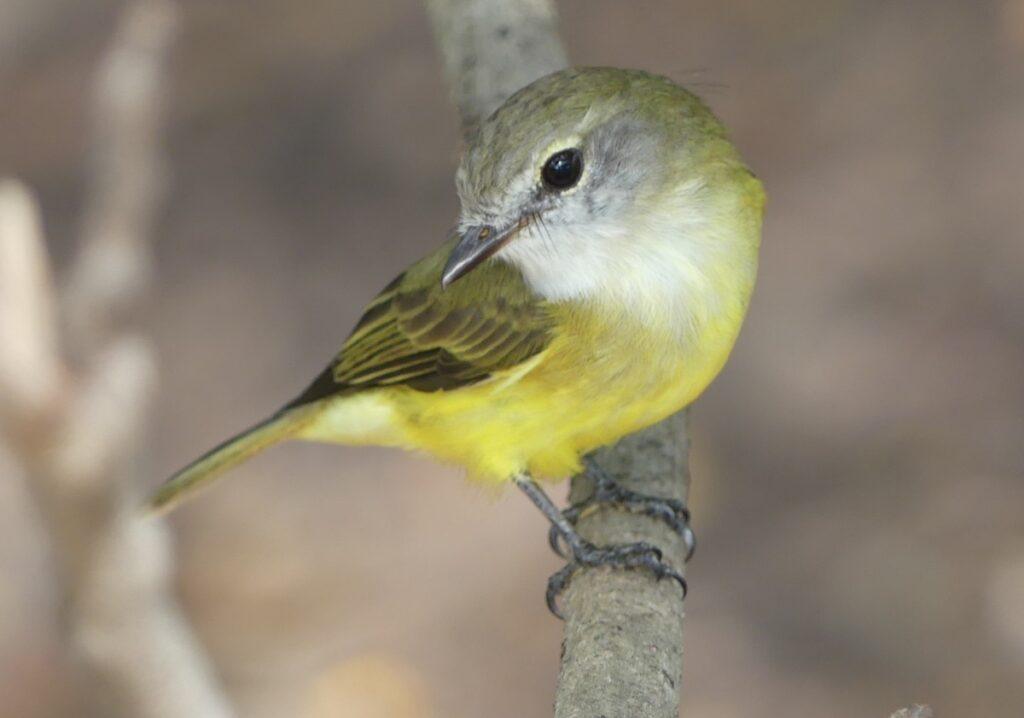
Fig 13. Lemon-bellied Flyrobin
Favourite food: Insects
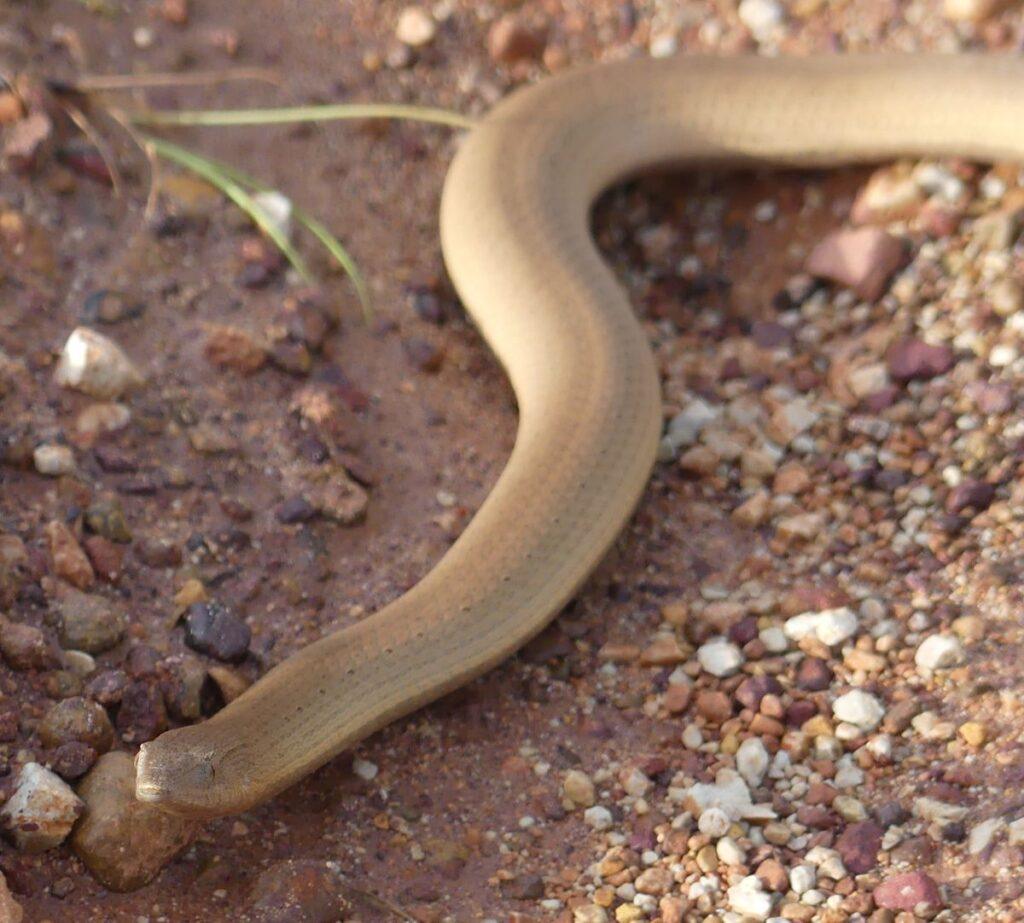
Fig 14. Burton’s Legless Lizard
Favourite food: Skinks
Legless Lizards do not have venom but will bite, best left alone.
Wilderness Walks
Wilderness Walks have been recording between 25-45 bird species, refer ebird for latest sightings. Please check Friends of Lee Point Facebook for walk times.
All the best for the Wet Season
Answers to Quiz